What is Shade Variation?

At Aquabella®, we know the excitement of selecting the tile for your project. There are endless selections of color, texture, and size. This is an exciting part of the process, and we are here to answer your questions as you narrow down your choices.
As you look through our collections, you will notice that some tiles are very similar, even identical, to the human eye. There are also tiles that will vary greatly from piece to piece in color and even texture. Then there are tiles that will fall in between those two levels of what we call Shade Variation.
When Shade Variation occurs naturally, it is due to unavoidable but expected manufacturing influences.
If you go to the bakery every day for your favorite pastry. From one day to the next, you may notice slight differences. For example, yesterday’s pastry was crispier than today’s, due to a small difference in baking time or temperature. Perhaps yesterday’s batch was made after the oven had preheated to the temperature, while today’s was put in the oven just before it reached the temperature. You can think of subtle differences in batches of tile in the same way. This is called batch-to-batch variation.

Tiles can have different textures, colors, and a variety of prints within a single series. These differences can vary from minimal to drastic, and anywhere in between. Understanding Shade Variation and how it applies to tile selection will give you a clear vision of what the finished project will look like.

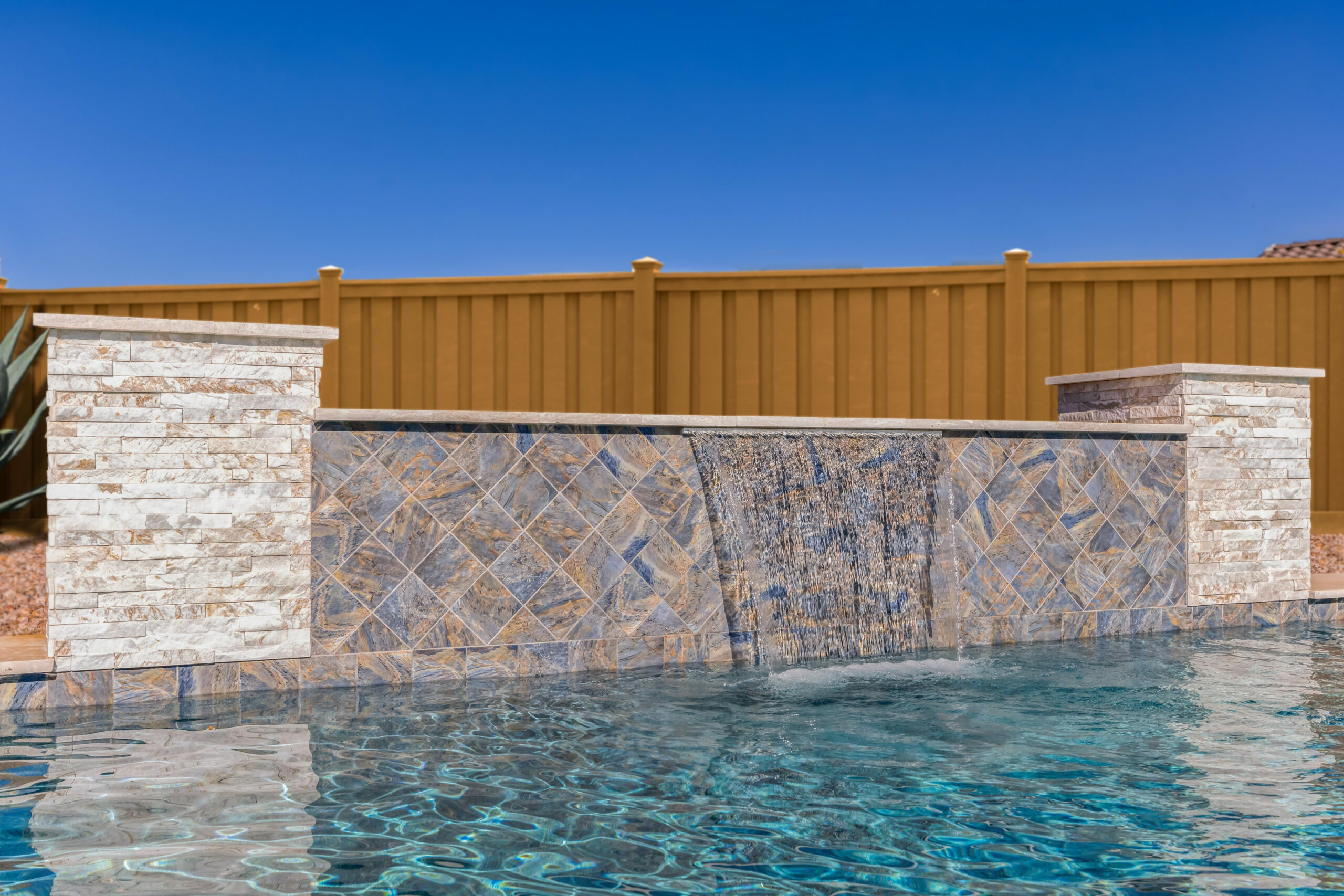
After returning from vacation, you notice a noticeable difference in the color and texture of the pastry. The baker has changed the brand of flour used and has installed a kitchen ventilation system. Similarly, in tile production, changes in raw materials, climate, and seasonal humidity can cause dye lot-to-dye lot variation.

It is also important to understand how intentional shade variation occurs. Manufacturers use different methods to change the look and style of tiles. Tiles can have different textures, colors, and a variety of prints within a single series. These differences can vary from minimal to drastic, and anywhere in between. Understanding Shade Variation and how it applies to tile selection will give you a clear vision of what the finished project will look like. The Ceramic Tile Distributors Association developed a Shade Variation Guide, which we use at Aquabella on our packaging and samples, to show you what to expect from the product you are selecting.  The shade variation of a product is classified as V1, V2, V3, or V4.
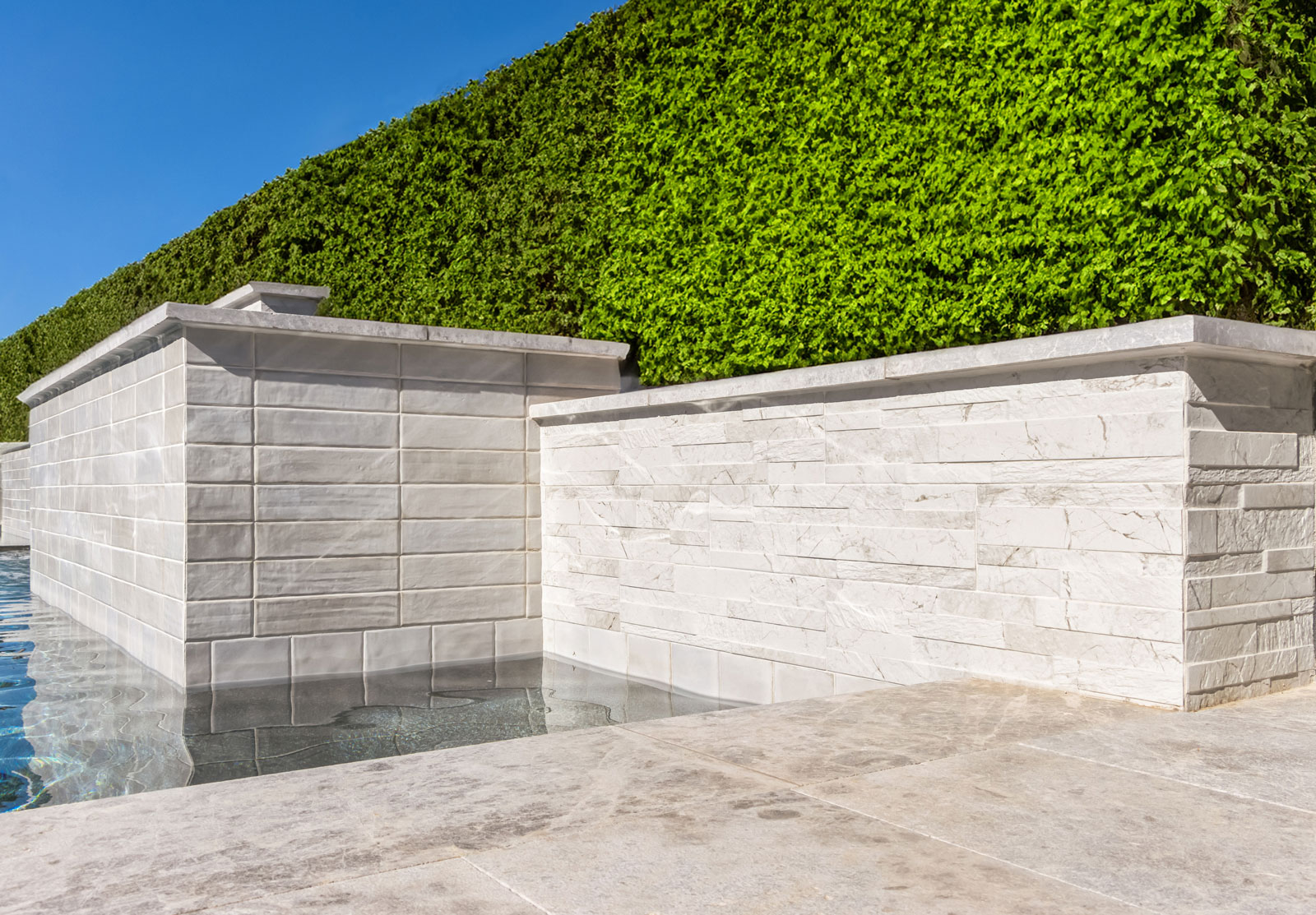
V1 | UNIFORM APPEARANCE
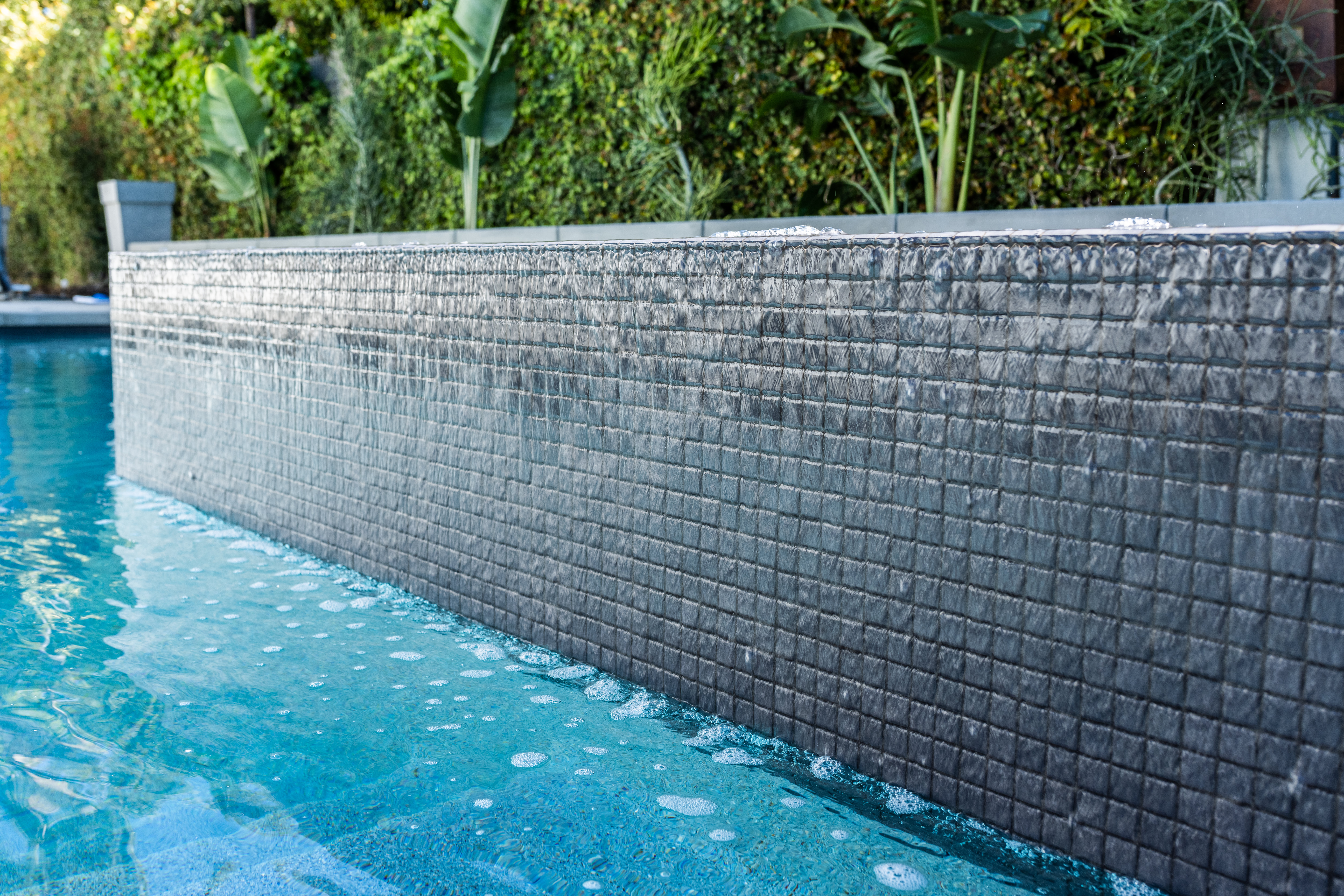
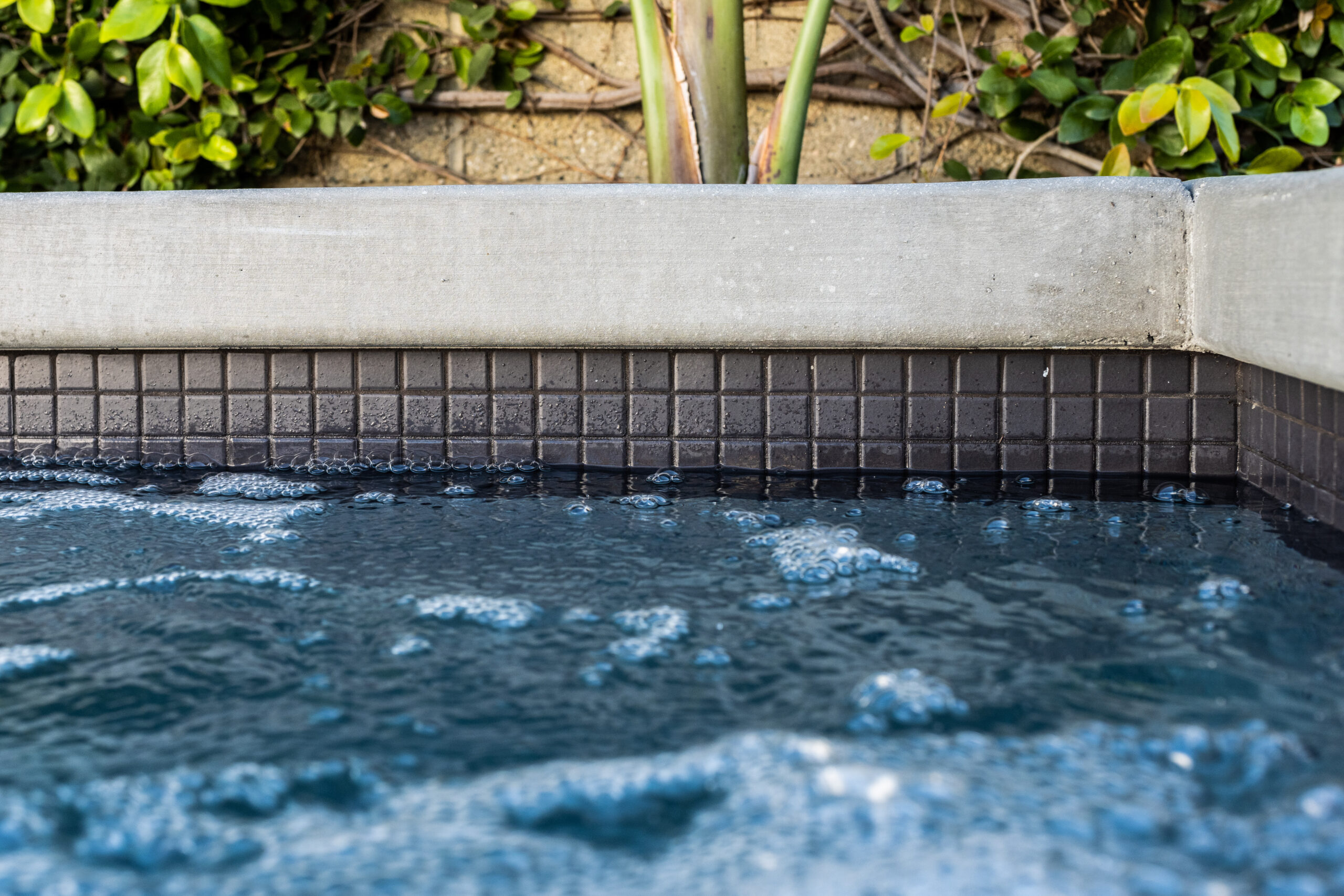
Products with a V1 rating have constant uniformity and little, if any, differences. Differences present are undetectable in appearance. V1 is the best choice if you want the color and texture of each piece to be identical and to come together to form an overall solid, unwavering look. Our commercial series, Unglazed or Solid, is an excellent example of V1-rated tiles.

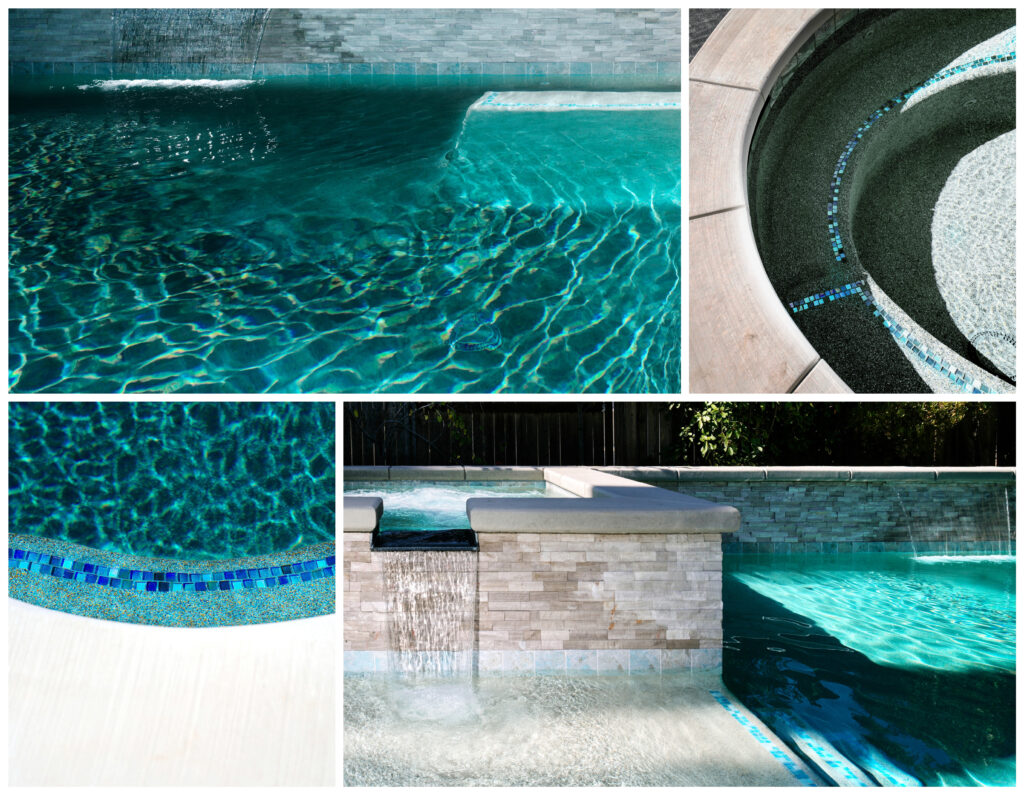
V2 | LOW VARIATION

The V2 rating is assigned to products with visible differences. The tiles in one box won’t be drastically different from one another, but just enough to add some dimension and originality to the design. There are typically not many variations in color or texture in a V2-rated item. Aquabella’s Porcelain Series, Beachfront, has a V2 rating.

V3 | MODERATE VARIATION

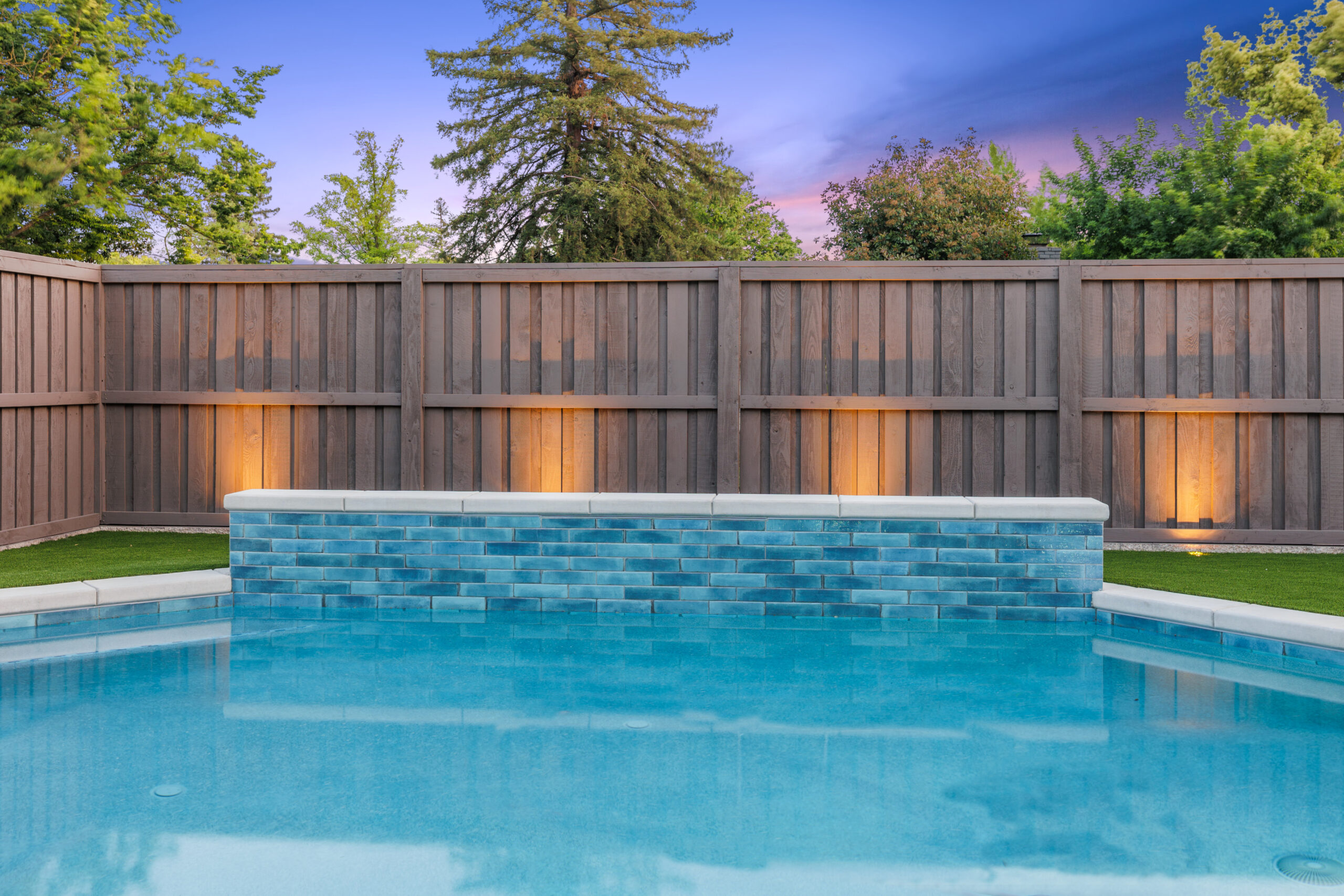
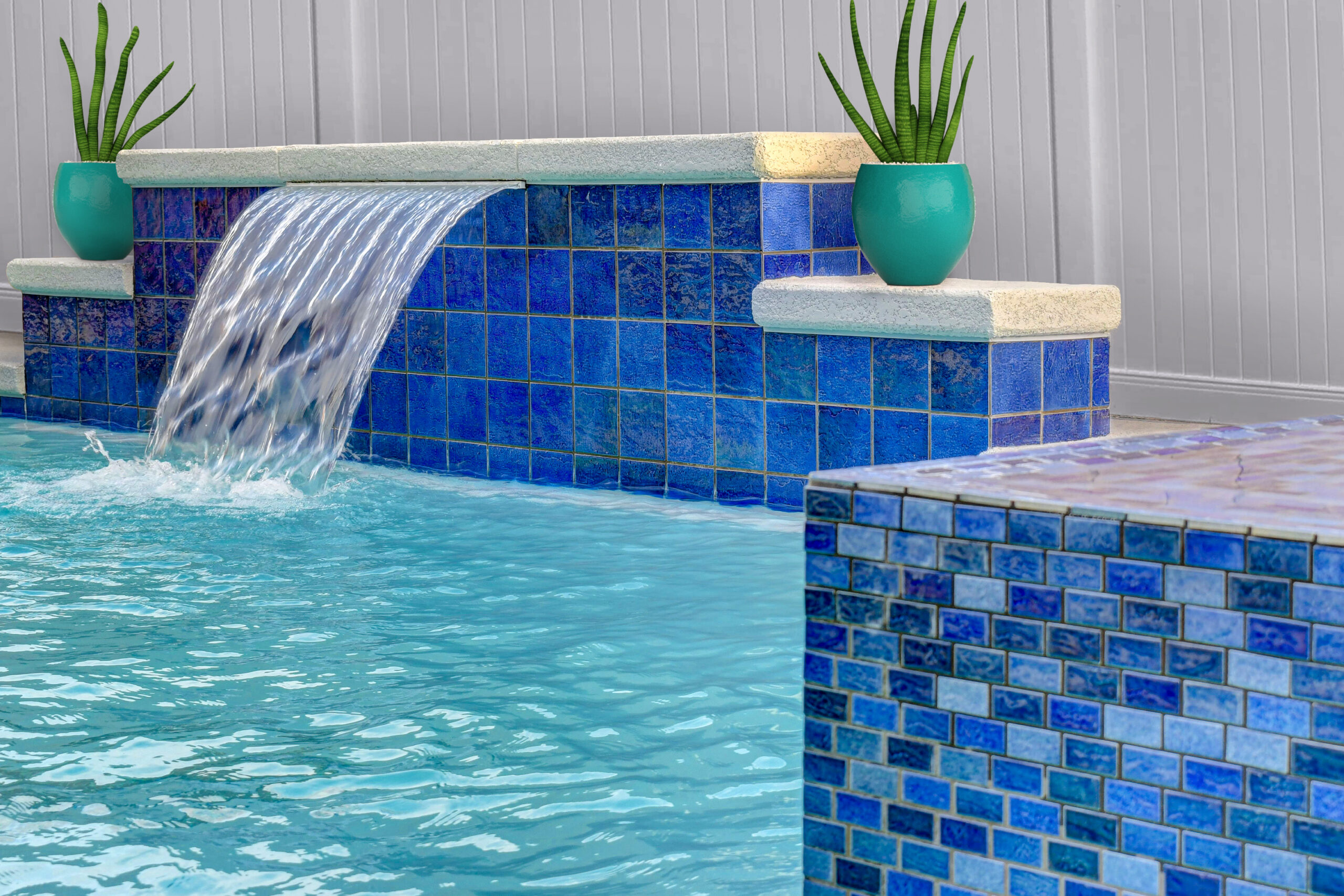
When selecting a V3-rated tile, you can expect to see significantly more colors and textures than a V2-rated tile. In a box of tiles, you may see several different faces, while similar in composition and overall look, they are definitely unique. Our Porcelain Series, Agate, is a good representation of a V3 rating.

V4 | HIGH VARIATION

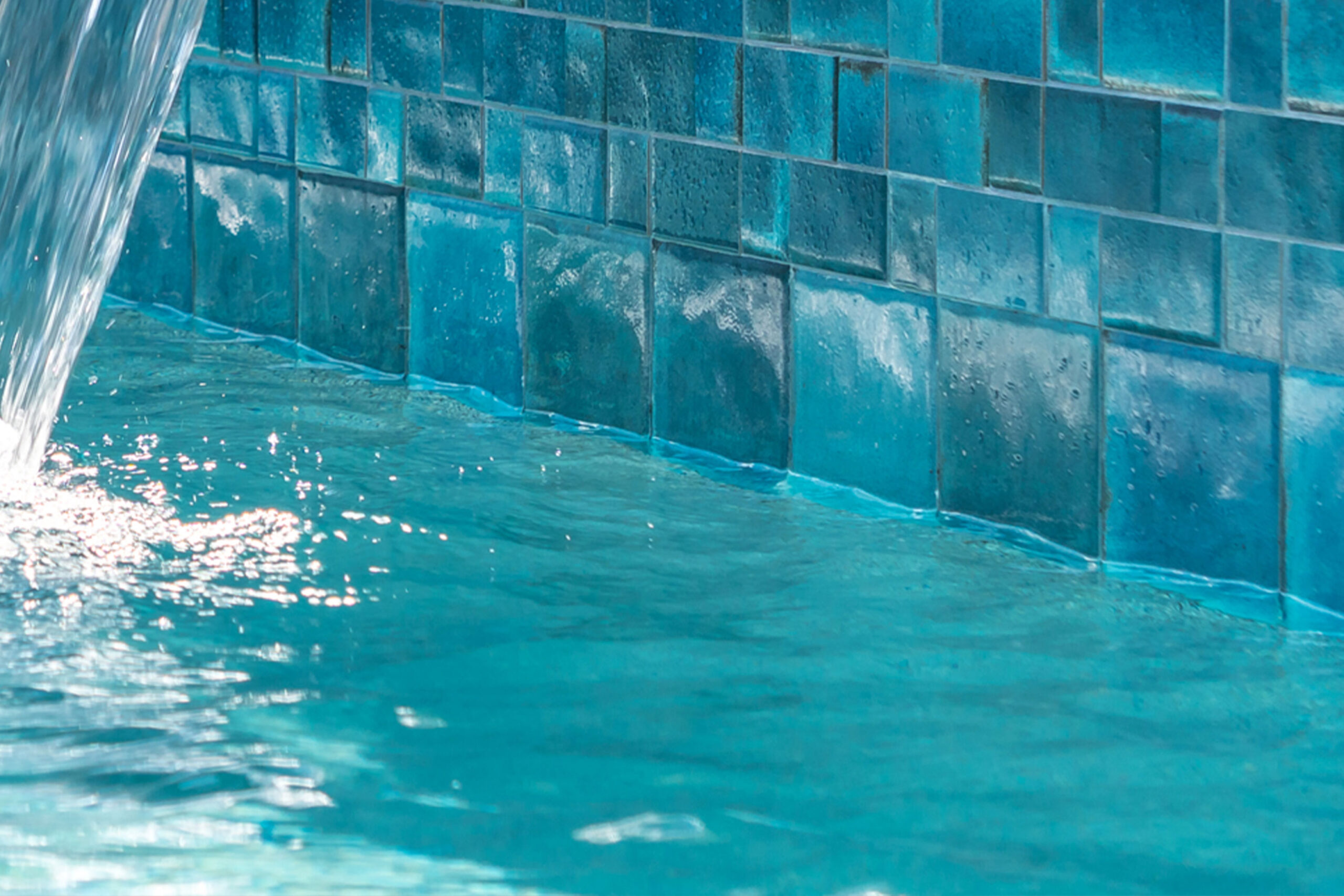
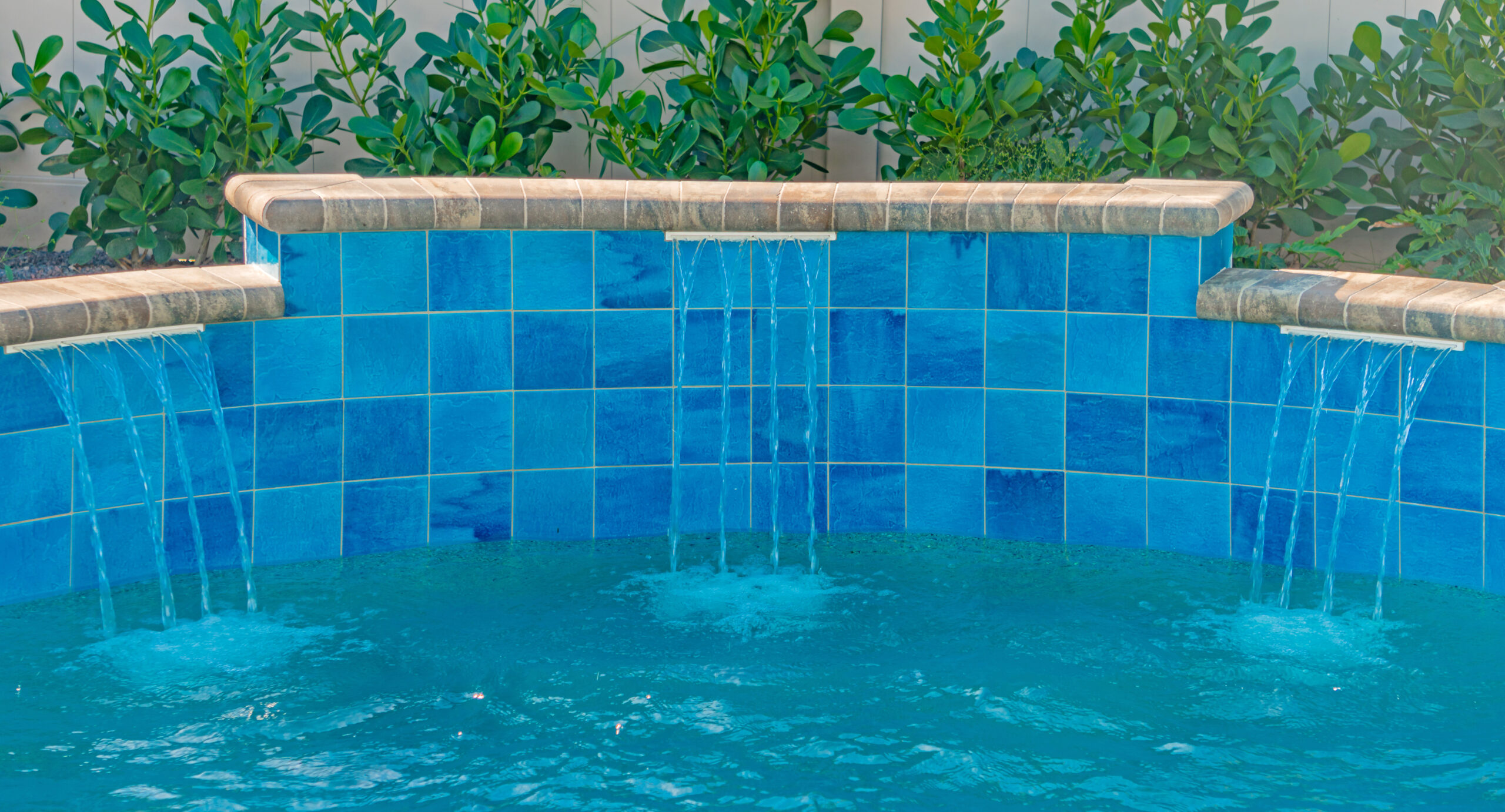
For a truly unique design, you may select a V4-rated product. These tiles offer an immense variety of textures, colors, and patterns. The design as a whole will reflect a distinctive, cohesive look; however, from piece to piece, you will notice unmistakable differences.
For example, let’s look at an installation of Indiano from our Melange Series. You can see a distinguishable difference from one tile to the next. When installed and viewed as a whole project, the tile appertains to the project’s design. You can also see that this tile maintains its diversity in all varieties offered.

In conclusion, when sampling a tile with variation, examine several samples to ensure the variation’s scope and style align with your vision. It is also very important to lay out your project as it would look installed, especially for higher-variation-rated products.


About the Author

Kali Edwards

Kali is part of the Aquabella team, with over 17 years of experience across sales, marketing, and business development. Her work focuses on customer experience, account development, and aligning market needs with product and design direction.