There is something about Memorial Day weekend that makes the backyard feel alive again.
The chairs come out. The grill gets cleaned. The first real poolside gatherings begin. And suddenly, the pool is not just something you own: it becomes the center of the home.
But before the season gets busy, this is the perfect moment to look at your pool area with fresh eyes. Not just to clean it, but to review how it looks, how it feels, and how each material is performing.
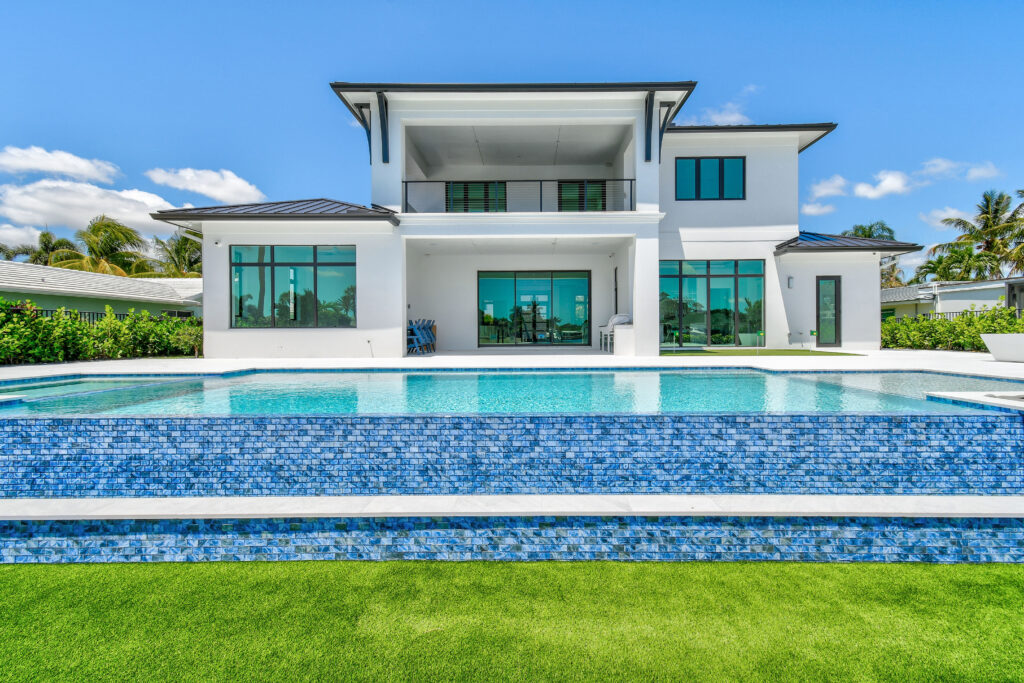
Tile, coping, decking, natural stone, pool finishes, water features, and outdoor details all work together. When they are thoughtfully selected and properly installed, the pool feels finished, comfortable, and intentional. At Aquabella®, we think of the pool area as a complete material system: tile, hardscape, pool finishes, setting materials, and accessories all shaping the same outdoor experience.
Before the first big weekend of summer, here are the details homeowners should review, and the right questions to ask a builder or pool professional.
Not everything needs to be replaced. Sometimes the best refresh is a cleaning, a small repair, a better maintenance plan, or a few design upgrades that make the space feel complete again.
Start With the Overall View
Before looking closely at cracks, grout, stains, or cleaning, step back.
Look at the pool from the places where you actually experience it:
- From the kitchen window.
- From the patio door.
- From the lounge chairs.
- From the outdoor dining area.
- From the spa or fire feature.
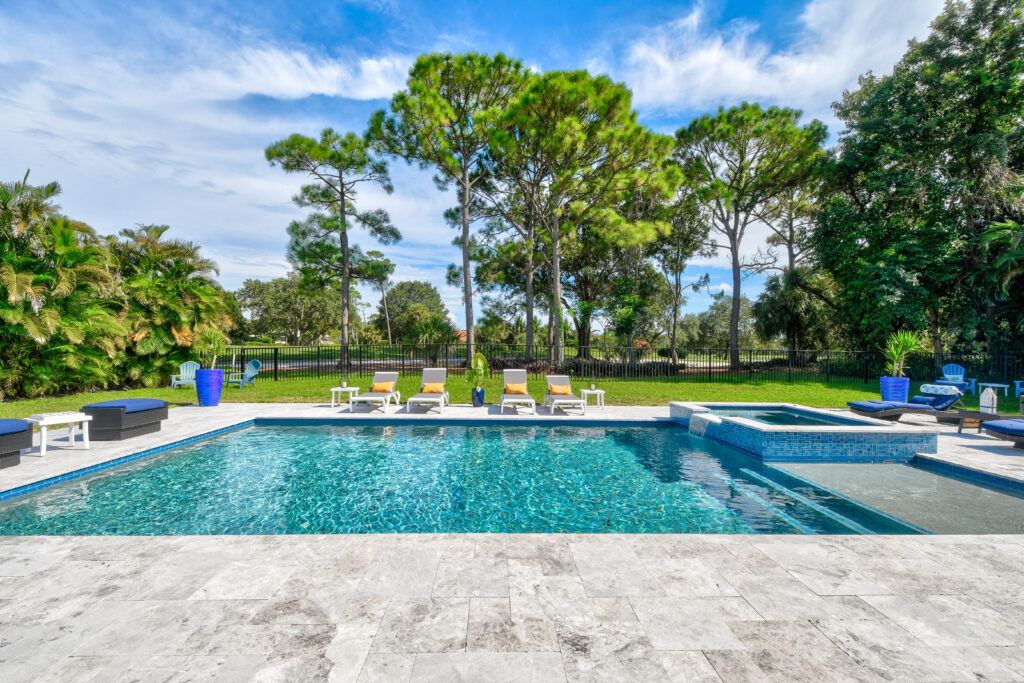
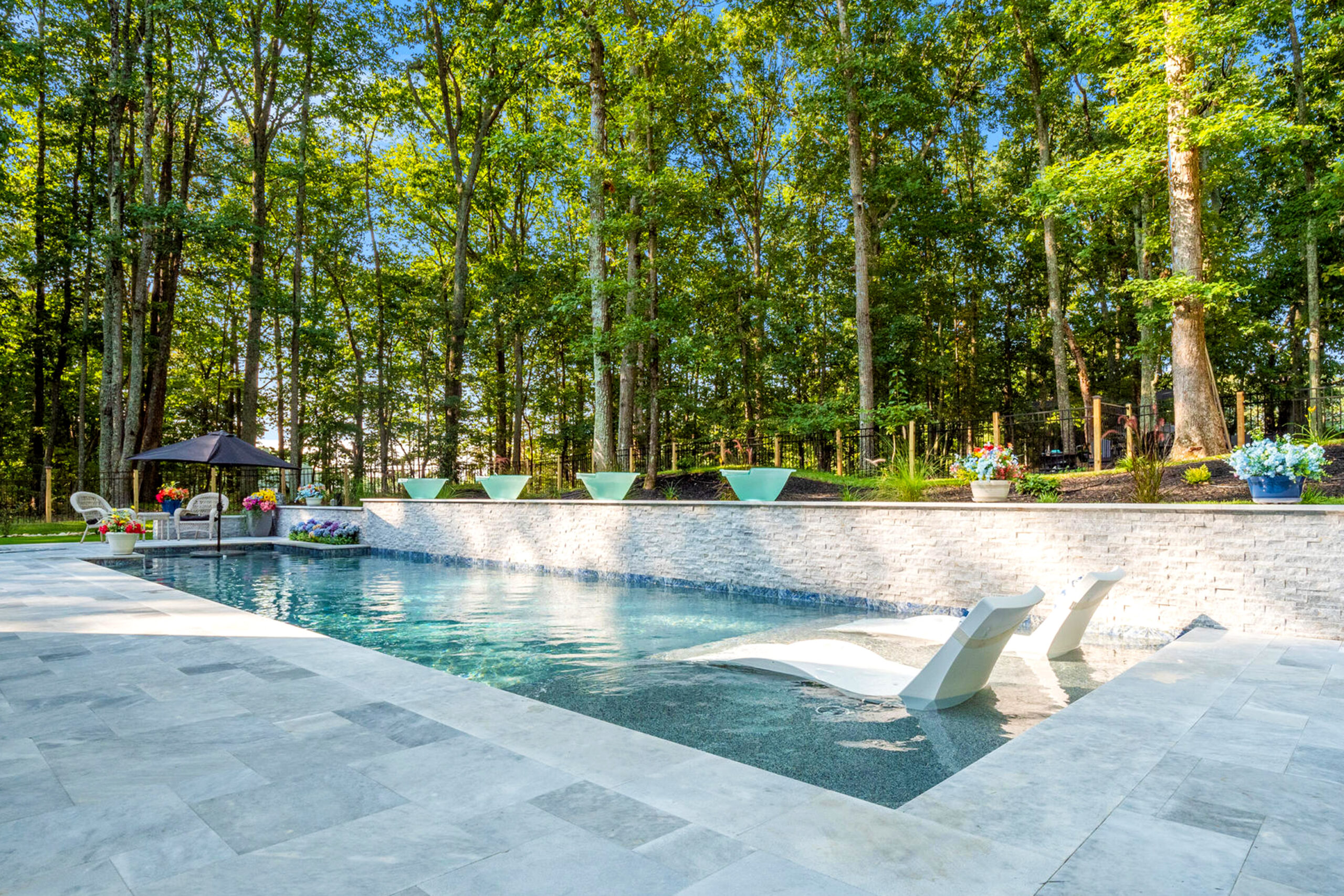
A good pool design should feel connected from every angle. The waterline tile should relate to the pool finish. The coping should frame the water cleanly. The decking should support the style of the home. Features like scuppers, fire bowls, raised walls, and garden sculptures should feel intentional, not added afterward.
This is where design and performance meet. The American Society of Landscape Architects describes residential outdoor design as a balance of beauty, performance, comfort, water management, heat reduction, and meaningful outdoor living. That idea applies perfectly to pool spaces: the best backyard is not just pretty — it works.
What to ask your builder:
- “Does the tile, coping, decking, and finish palette feel cohesive from the main view points of the home?”
- “Are there any areas where a material transition feels unfinished or forced?”
- “Could matching coping, pavers, ledgerstone, or accent tile make the space feel more connected?”
Review the Waterline Tile
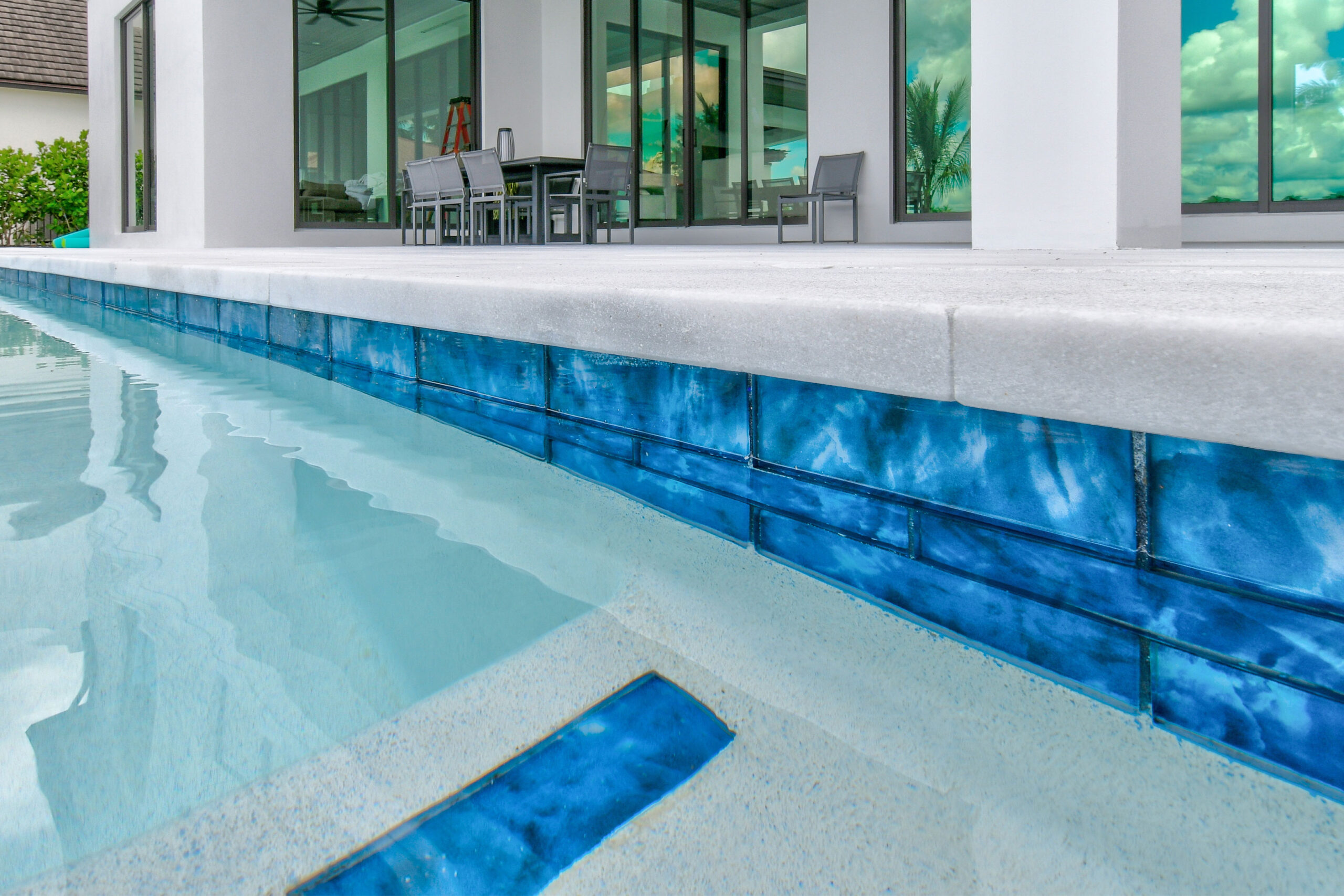
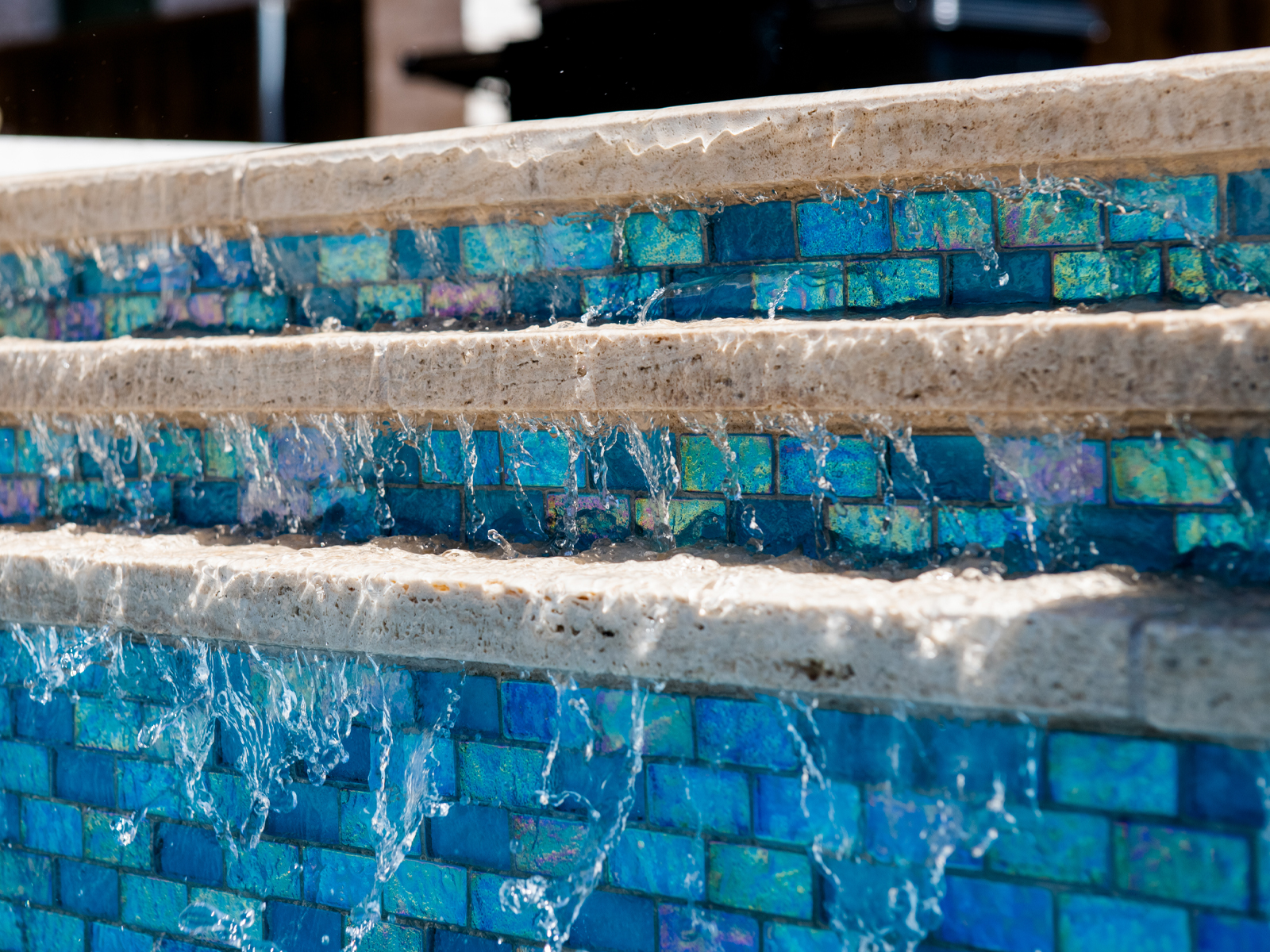
The waterline is one of the most visible parts of the pool. It frames the water, affects the overall color impression, and often shows early signs of wear.
Before summer use increases, look for:
- Small cracks in tile
- Loose or hollow-sounding pieces
- Missing or worn grout
- Calcium buildup
- Stains at the waterline
- Tile that feels outdated compared with the rest of the backyard
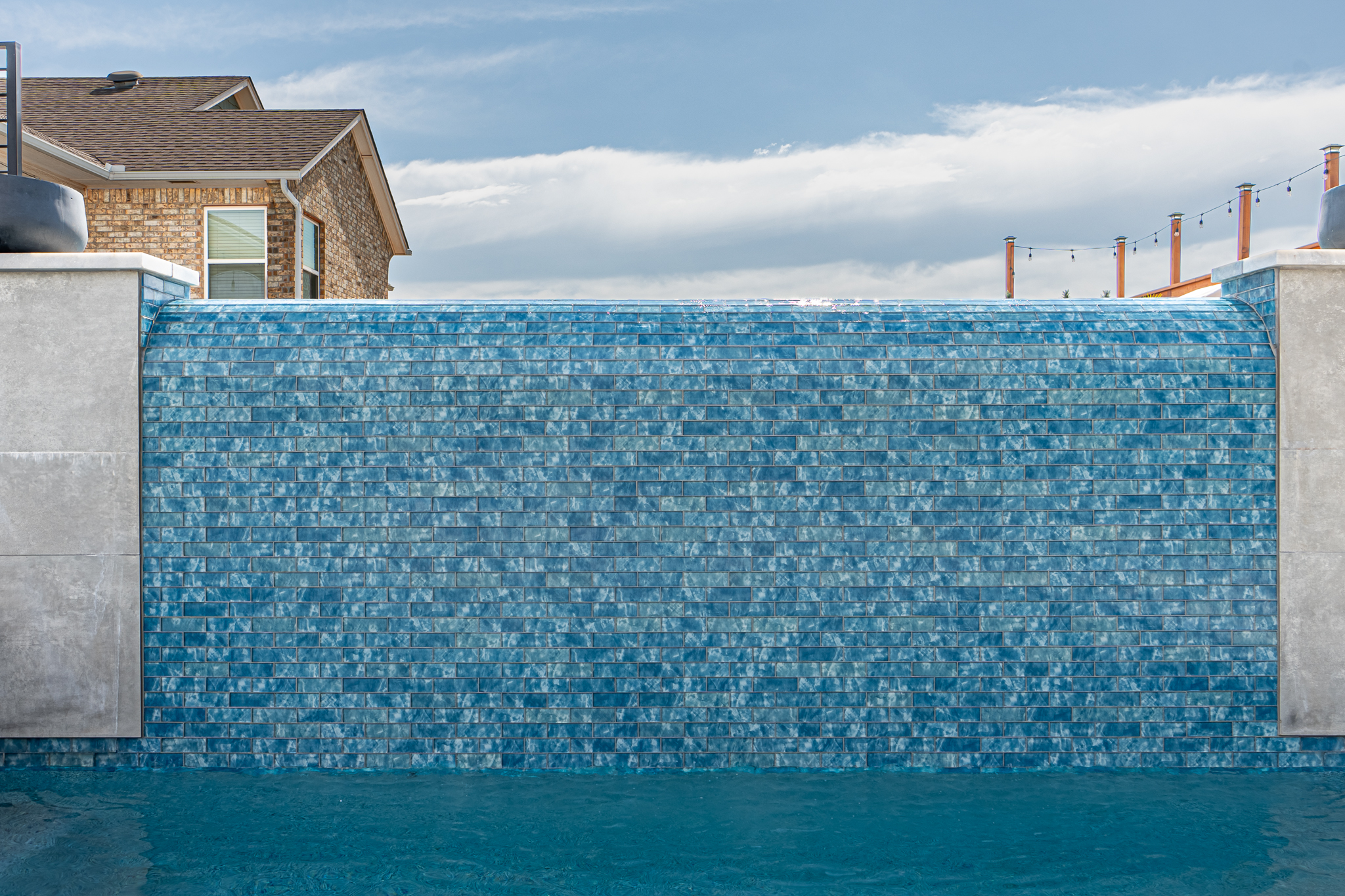
This is also a good time to think about design. A waterline tile does not have to be loud to be beautiful. Some of the best pool designs use tile to quietly connect the water, pool finish, coping, and landscape.
For builders, the installation system matters as much as the tile. Pool tile is exposed to water migration, pool chemicals, and ongoing maintenance, which is why technical installation sources emphasize flexible mortars and chemical-resistant grouts for swimming pool tile applications.
What to ask your builder:
- “Are these tiles only stained, or are any of them loose or failing?”
- “Is the grout still performing, or does it need repair?”
- “What setting material and grout system would you recommend for a submerged or splash-zone installation?”
- “If we replace the waterline tile, should we also update the spa, raised wall, spillway, or step details at the same time?”
Look Closely at the Coping
Coping is more than the edge of the pool. It is the part people touch, sit on, step over, and see from almost every angle.
A beautiful coping selection can make the pool feel complete. Natural stone can add warmth and variation. Porcelain coping can create a cleaner, more consistent look. Matching coping and decking can make the entire pool area feel larger and more seamless.
But coping also needs to perform.
Before Memorial Day, look for:
- Loose coping pieces
- Uneven edges
- Cracks between coping units
- Sharp or uncomfortable corners
- Open gaps between the coping and deck
- Stains from water, leaves, metal furniture, or planters
Movement is one of the biggest things homeowners overlook. Tile and hardscape assemblies expand and contract with temperature, moisture, and structural movement. TCNA explains that movement joints help eliminate stresses caused by different rates of expansion and contraction between the substrate and tile.
What to ask your builder:
- “Is the joint between the coping and deck flexible, or was it filled with a hard material?”
- “Are the cracks cosmetic, or could they be related to movement?”
- “Should any coping be reset before summer use increases?”
- “Would a different coping profile, texture, or material make the pool more comfortable and safer?”


Check the Decking Like a Homeowner, Not Just a Designer
Decking has to do a lot.
- It needs to look beautiful.
- It needs to feel comfortable under bare feet.
- It needs to handle water, sun, furniture, foot traffic, and outdoor entertaining.
- It also needs to provide traction in wet conditions.
One of our previous article on slip-resistance explains that pool decks must balance beauty with safety because wet surfaces, barefoot traffic, and coping edges all affect how the space performs.
For a Memorial Day refresh, walk the deck barefoot if it is safe to do so. Notice how it feels. Is it too slippery when wet? Too rough? Too hot? Are there low spots where water collects? Does the material still match the style of the pool?
What to ask your builder:
- “What is the slip-resistance rating or surface texture of this material?”
- “Is this deck material appropriate for wet, barefoot pool areas?”
- “Where does water drain after rain, splash-out, or cleaning?”
- “Could the same material continue into an outdoor kitchen, lounge area, or walkway for a more finished look?”
Review Natural Stone Areas
Natural stone brings character to pool areas in a way manufactured materials cannot fully duplicate. Veining, shell movement, color variation, and texture can make a backyard feel warmer and more connected to the landscape.
But stone needs to be reviewed with the right expectations.
Look at natural stone coping, pavers, ledgerstone, raised walls, and outdoor kitchen cladding. Check for staining, algae, efflorescence, open joints, loose pieces, or areas where the surface has changed.
The Natural Stone Institute recommends cleaning stone with a neutral cleaner, stone soap, or mild liquid dishwashing detergent and warm water, and rinsing thoroughly after washing. This is especially important around pools, where homeowners may be tempted to use harsh products that are not appropriate for every stone.
What to ask your builder or stone professional:
- “What type of stone do I have, and what cleaner is safe for it?”
- “Should this stone be sealed, and if so, what type of sealer is appropriate for a pool area?”
- “Will the sealer change the color, texture, or slip resistance?”
- “Are these white marks calcium, efflorescence, or something else?”
For a Memorial Day refresh, walk the deck barefoot if it is safe to do so. Notice how it feels. Is it too slippery when wet? Too rough? Too hot? Are there low spots where water collects? Does the material still match the style of the pool?
Don’t Forget the Pool Finish and Entry Details
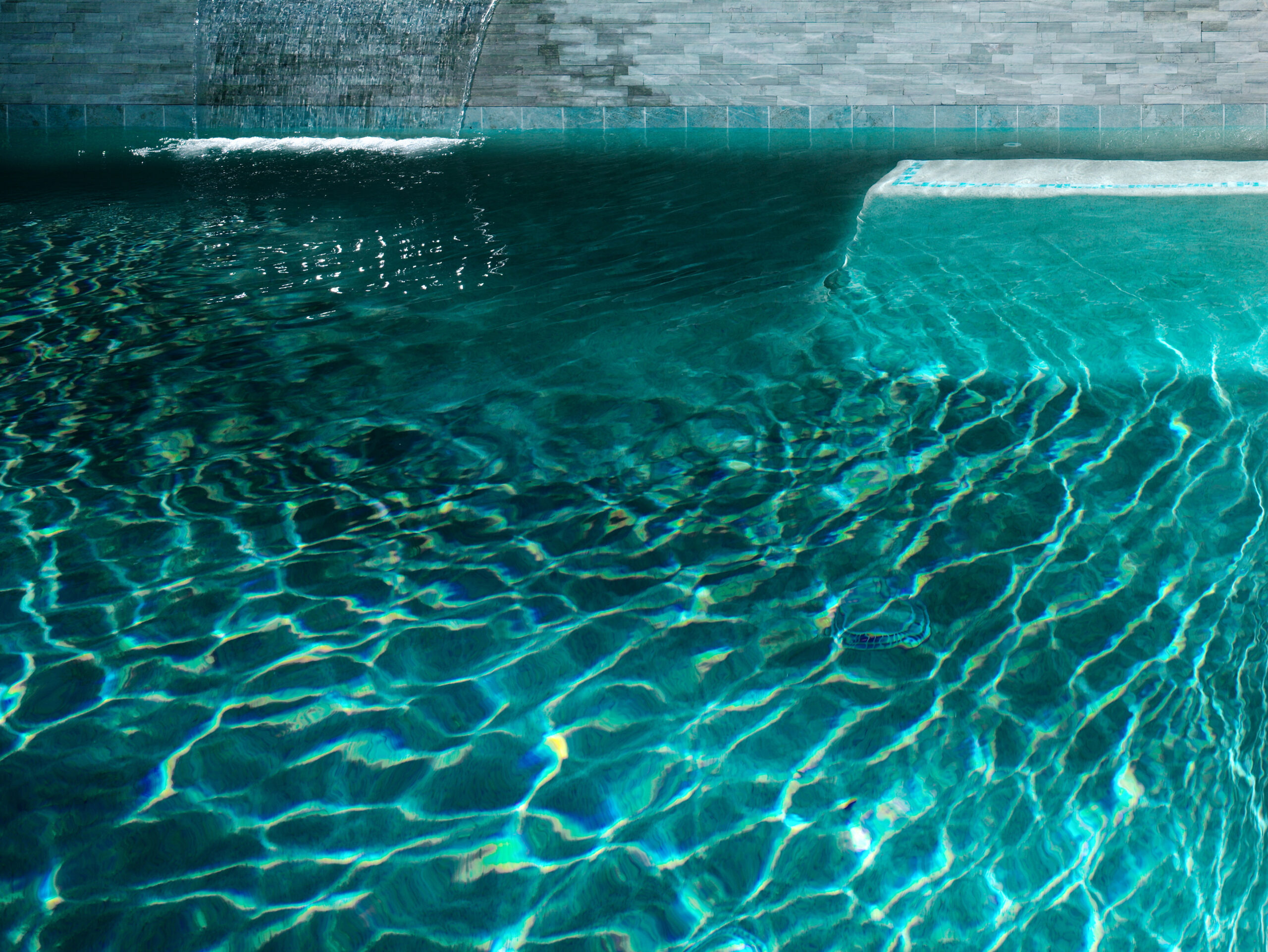
The pool finish is the visual foundation of the water. It affects how the water color appears, how the pool feels underfoot, and how the tile and coping are perceived.
Before the season starts, look at:
- Steps
- Baja shelves
- Benches
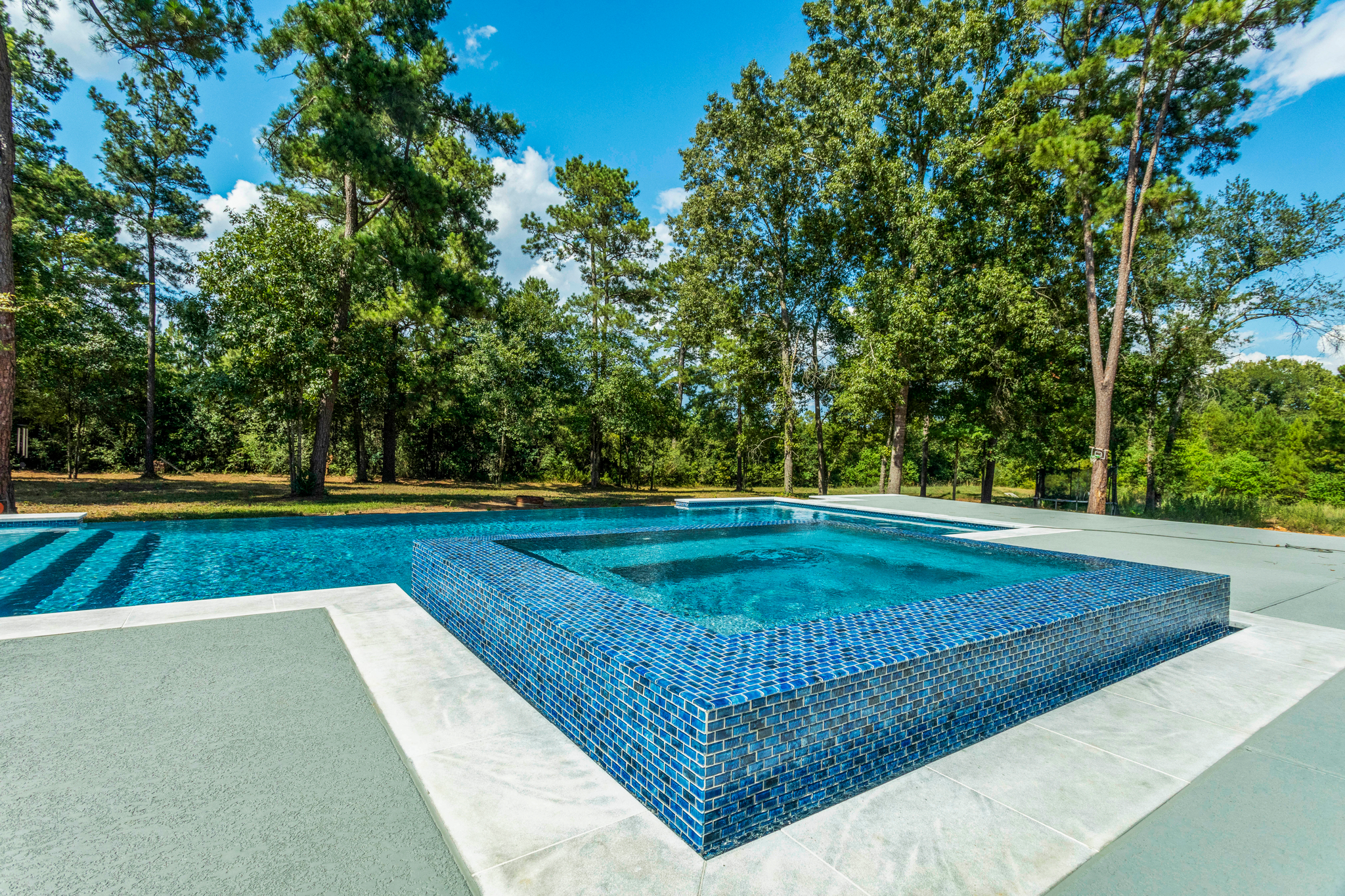
- Spa interiors
- Entry points
- Floor transitions
- Decorative mosaics or step markers
These areas get heavy use during summer. They are also some of the best places to add design detail. A simple step marker, mosaic accent, or coordinated tile detail can make a pool feel more custom while also helping define edges and transitions.
What to ask your builder:
- “Are the entry areas easy to see and comfortable to use?”
- “Would tile details on steps, benches, or a Baja shelf improve the design?”
- “Does the pool finish still work with the waterline tile and coping?”
- “If we are remodeling later, should we select tile, coping, and finish together instead of separately?”
Review Features: Fire, Water, Sculptures, and Raised Walls
Features are often what people remember most.
- A fire bowl.
- A scupper.
- A raised wall.
- A garden sculpture.
- A water feature.
- A decorative pool mosaic.
These elements create the atmosphere of the backyard. But they also need to be integrated with the surrounding materials.
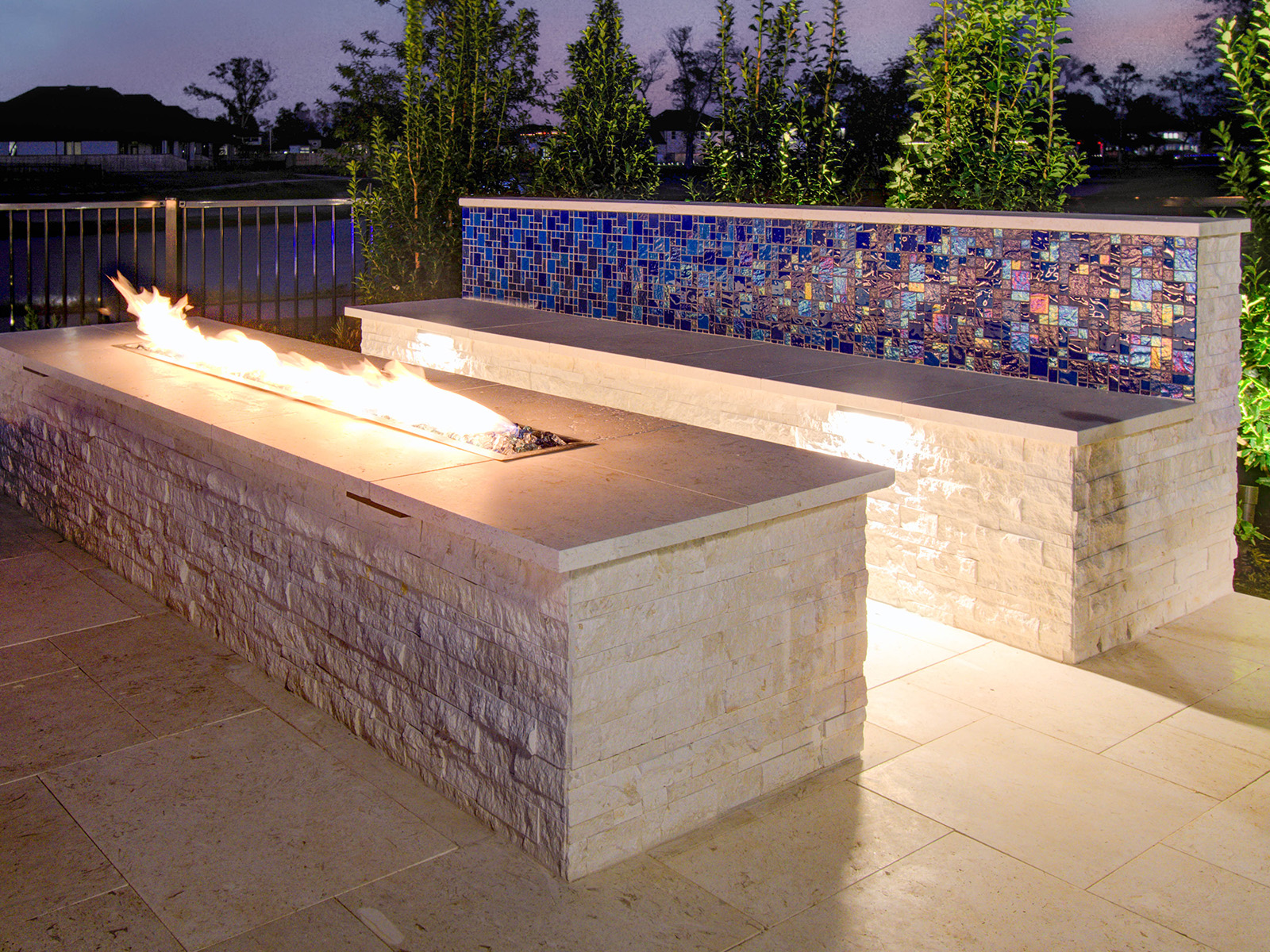
Before Memorial Day, review whether these features still feel balanced. Do they frame the pool? Do they create a focal point? Are they visible from the house? Are they staining the wall or coping below? Do they look like part of the design, or like separate additions?
What to ask your builder:
- “Is this feature properly scaled for the pool?”
- “Should the raised wall, water feature, or fire feature be clad in a material that matches the coping or decking?”
- “Are there stains, leaks, or water-flow issues that need to be addressed?”
- “Can lighting improve how this feature looks at night?”



Make a Quick Safety Review Before Guests Arrive
A Memorial Day pool refresh should still include a quick safety check. The U.S. Consumer Product Safety Commission recommends layers of protection around pools, including barriers, alarms, pool covers, and self-closing, self-latching gates. CPSC also advises homeowners to keep children away from drains and make sure drain covers comply with federal safety standards.
What to ask your pool professional:
- “Are the drain covers current and compliant?”
- “Are gates, latches, covers, and alarms working?”
- “Is the water properly balanced before guests swim?”
- “Should anything be repaired before the pool is used heavily?”
A Simple Memorial Day Poolside Review Checklist
Before the first big weekend of summer, walk your pool and review:
- Waterline tile
- Grout condition
- Calcium or mineral buildup
- Coping cracks or loose pieces
- Deck texture and drainage
- Natural stone staining or sealing needs
- Baja shelf and step visibility
- Pool finish condition
- Fire and water feature performance
- Raised walls and cladding
- Outdoor kitchen or lounge-area transitions
- Lighting and evening views
- Safety barriers, gates, and drain covers
This does not mean everything needs to be replaced. Sometimes the best refresh is a cleaning, a small repair, a better maintenance plan, or a few design upgrades that make the space feel complete again.
Final Thoughts
Memorial Day is more than the beginning of pool season. It is a chance to see your outdoor space the way your guests will see it.
- The tile that frames the water.
- The coping that finishes the edge.
- The decking that carries the whole space.
- The stone, mosaics, fire, water, and feature details that create the feeling.
When each part works together, the pool becomes more than a place to swim. It becomes the center of summer.
At Aquabella, we help homeowners, builders, and designers bring those details together: from pool tile and mosaics to natural stone, porcelain pavers, coping, pool finishes, setting materials, and outdoor features.
Ready to refresh your poolside space?
Visit your nearest Aquabella branch or request samples to compare tile, coping, decking, and finish options before your next pool project.
About the Author
 Miguel Bermeo
Marketing Director at Aquabella, with a focus on brand identity, showroom experience, and market intelligence. His work centers on how Aquabella shows up across touchpoints — from store flow and product presentation to how the brand connects with both homeowners and builders.