Designing a swimming pool today involves much more than selecting a shape. The materials used throughout the pool environment determine its durability, maintenance requirements, and overall aesthetic.
From waterline tile and interior finishes to decking materials and architectural features, each element contributes to how the pool looks and performs over time.
This guide explains the most important materials used in modern pool construction and how they work together to create beautiful outdoor spaces.
Pool Tile: The Defining Design Element
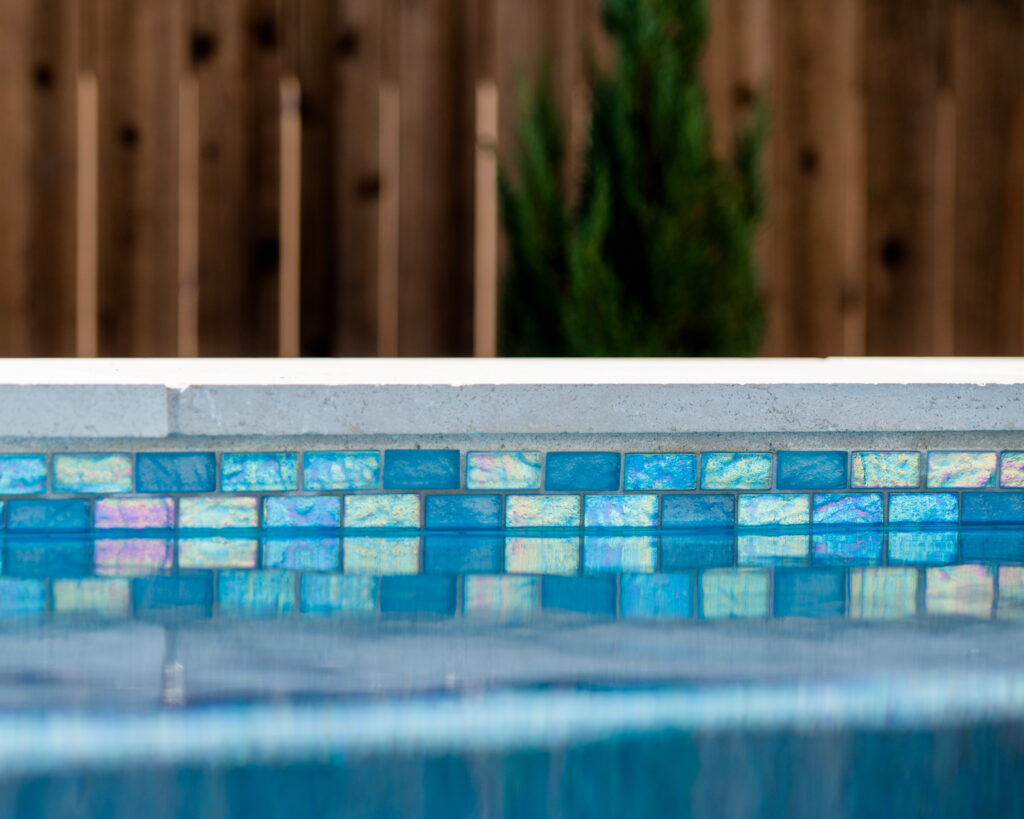
Pool tile is one of the most visible materials in a swimming pool and probably the most important item you will need to select. Installed along the waterline and decorative areas, tile protects the pool shell from staining while defining the overall aesthetic.
Common pool tile materials include glass and porcelain. Ceramic tile is not recommended for pools because its high water absorption can cause problems.
| Material | Characteristics | Best For |
| Glass Tile | Reflective and vibrant | Luxury pools |
| Porcelain Tile | Highly durable | Modern designs |
Glass tile creates luminous reflections in the water, while porcelain tile provides durability and texture.
Pool Mosaics
Mosaics add artistic detail and personality to pool designs. They are commonly installed on steps, tanning ledges, pool floors, and feature walls.
Popular options include marine life mosaics, geometric patterns, and custom artwork that act as visual focal points.
Pool Interior Finishes
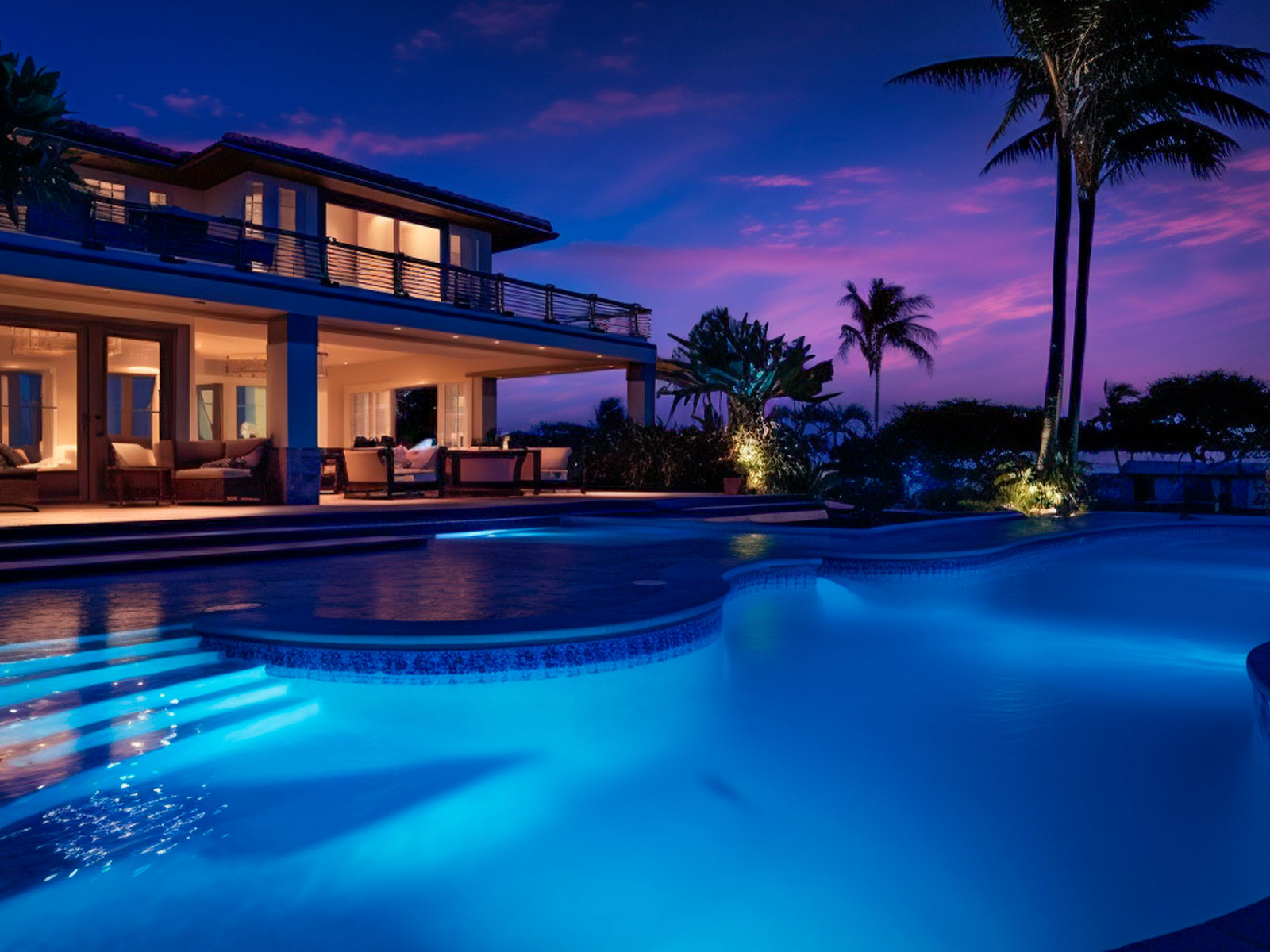
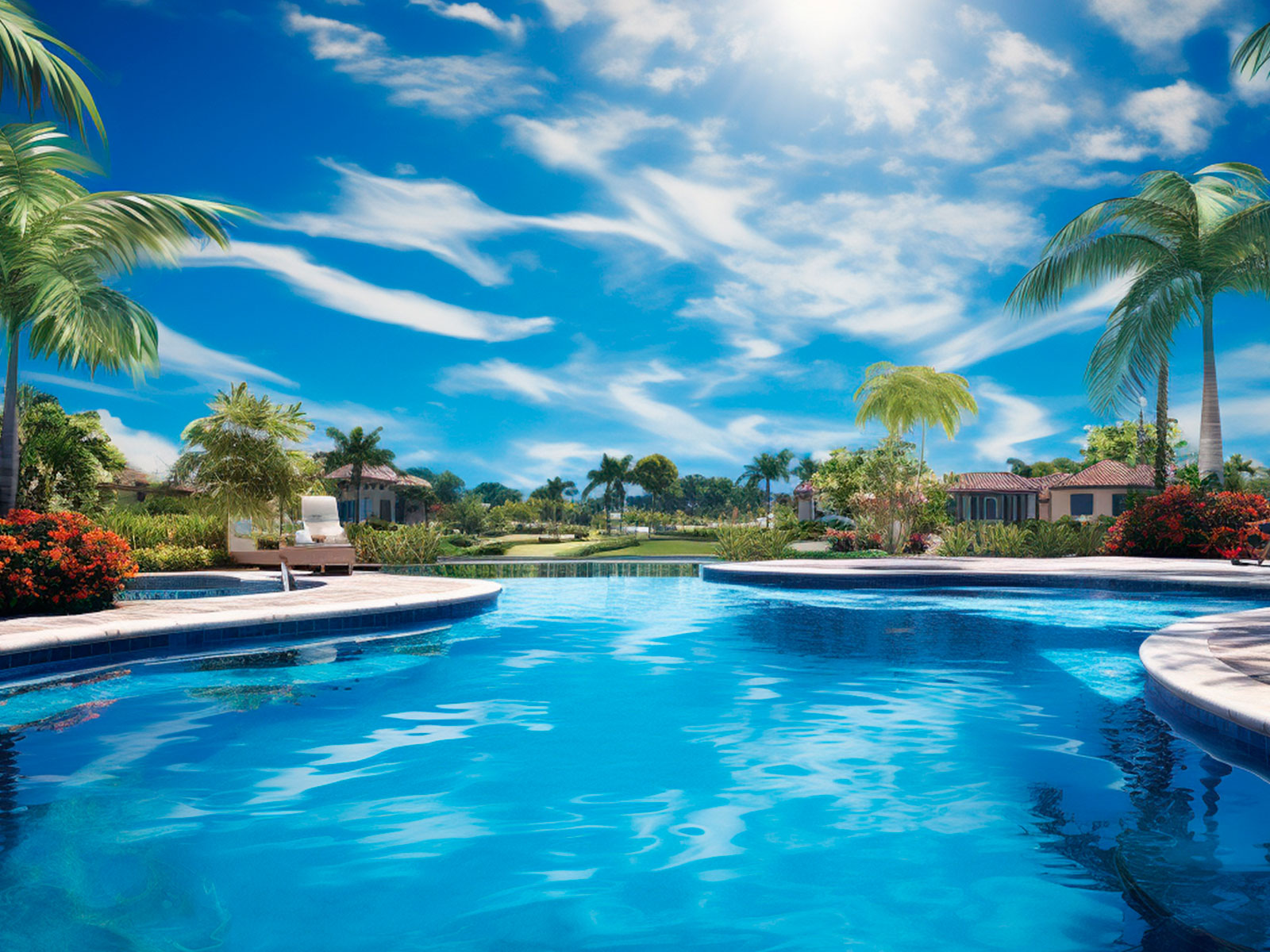
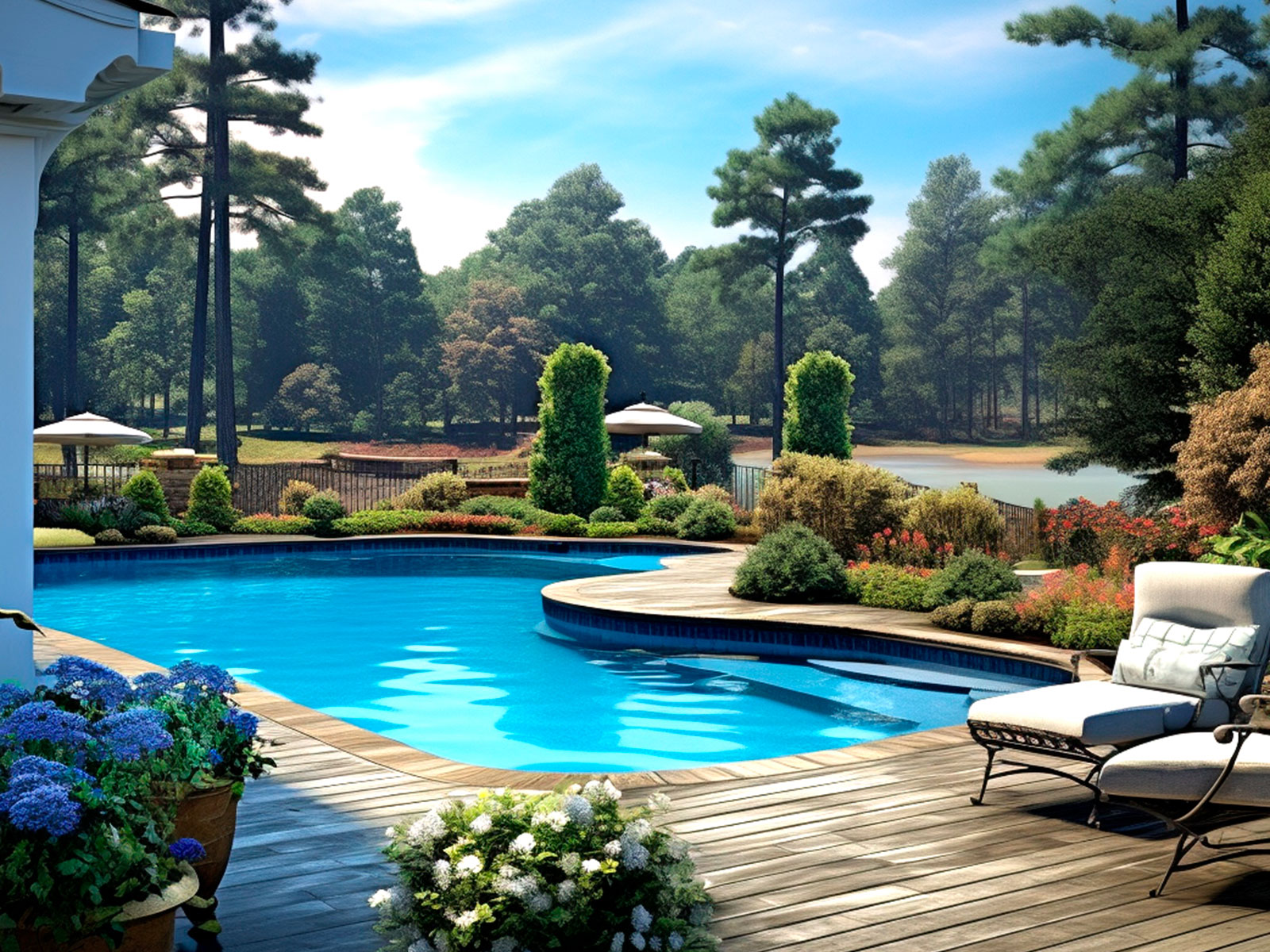
The interior finish coats the pool shell and influences the color and texture of the water.
| Finish Type | Texture | Durability | Style |
| Plaster | Smooth | Moderate | Classic |
| Quartz | Slight texture | High | Refined |
| Pebble | Textured | Very high | Natural |
| Polished | Smooth | High | Modern |
Plaster finishes offer a traditional appearance, while quartz and pebble finishes improve durability. Polished finishes are often used in contemporary pool designs.
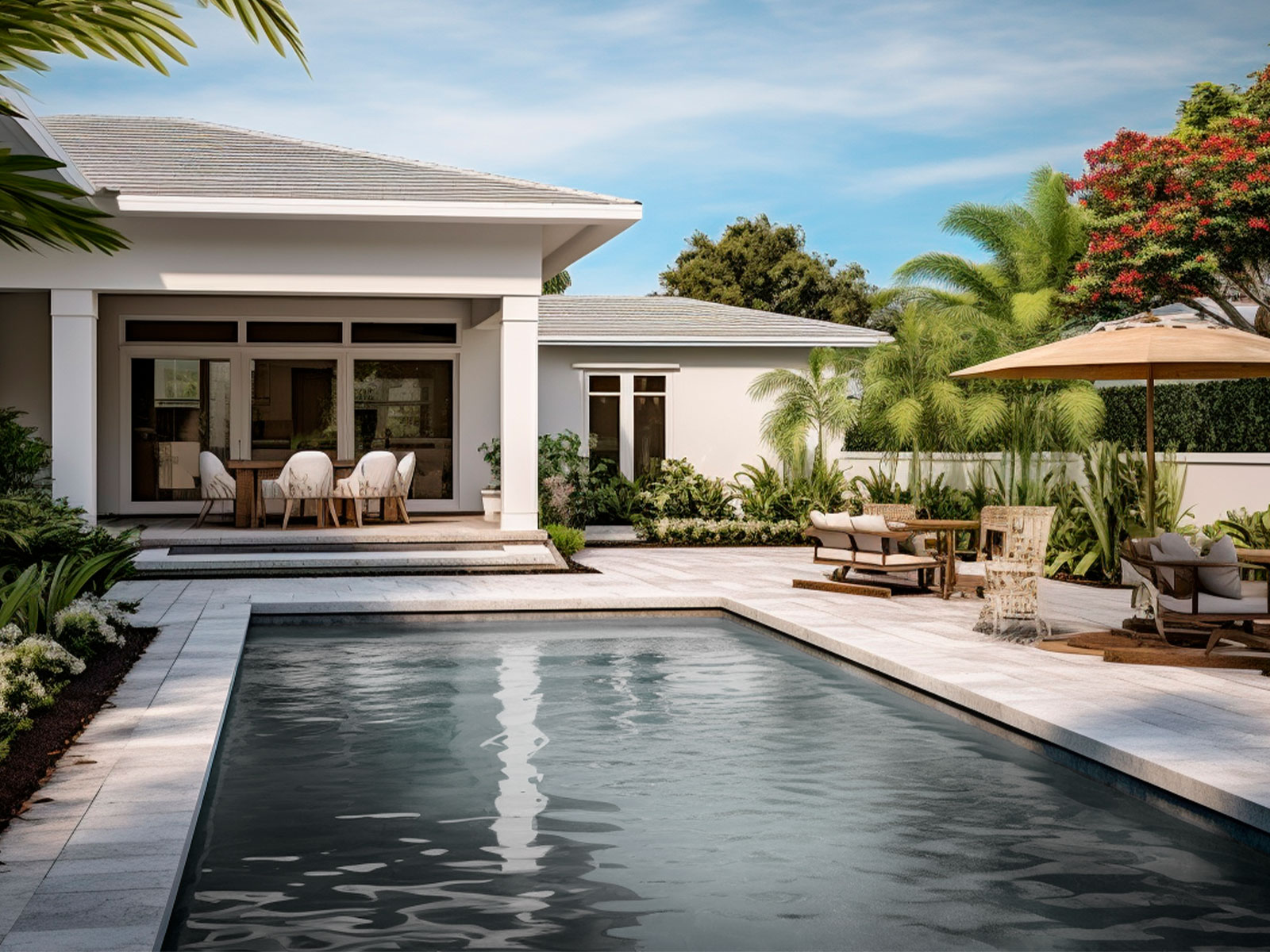
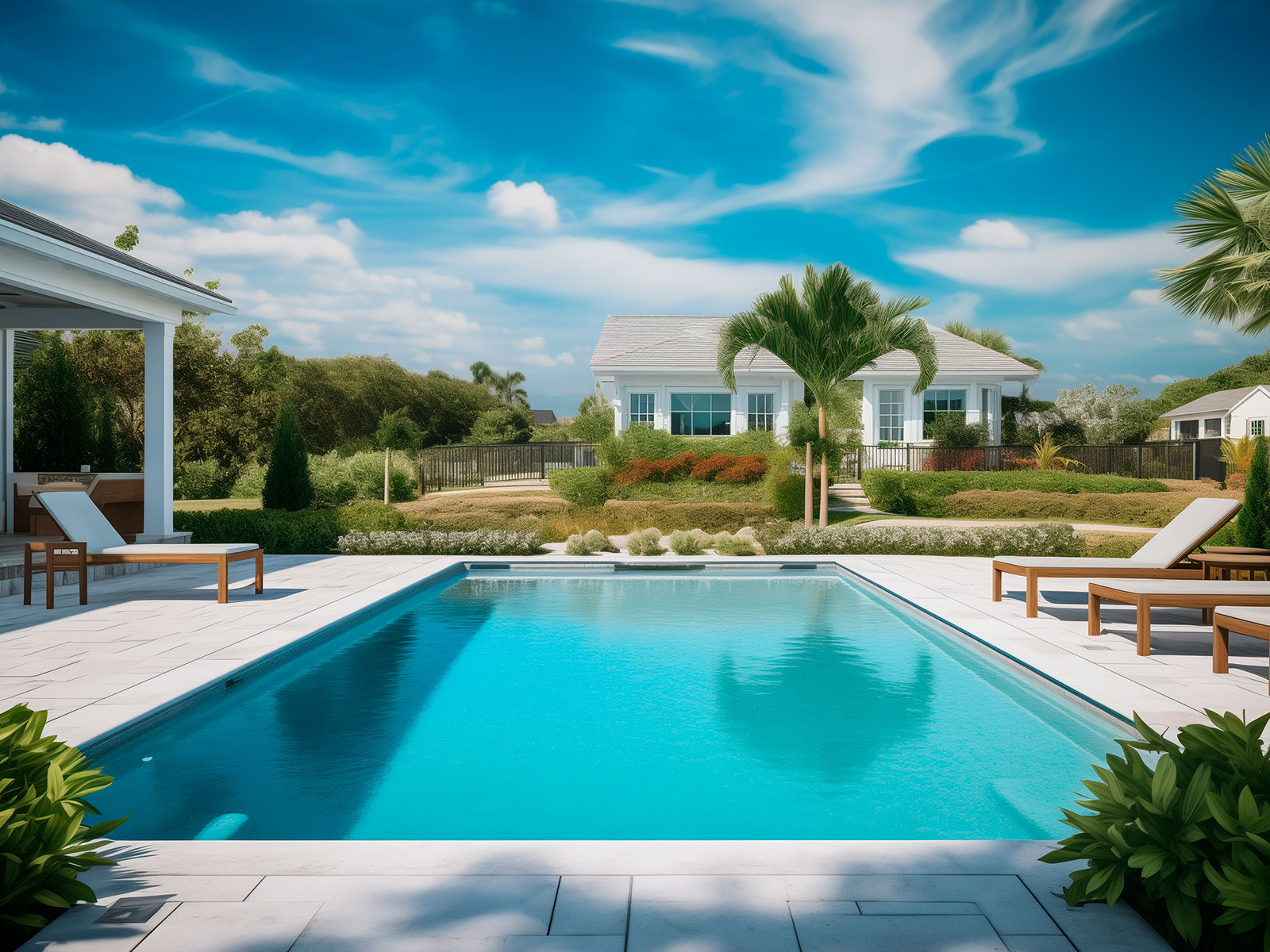
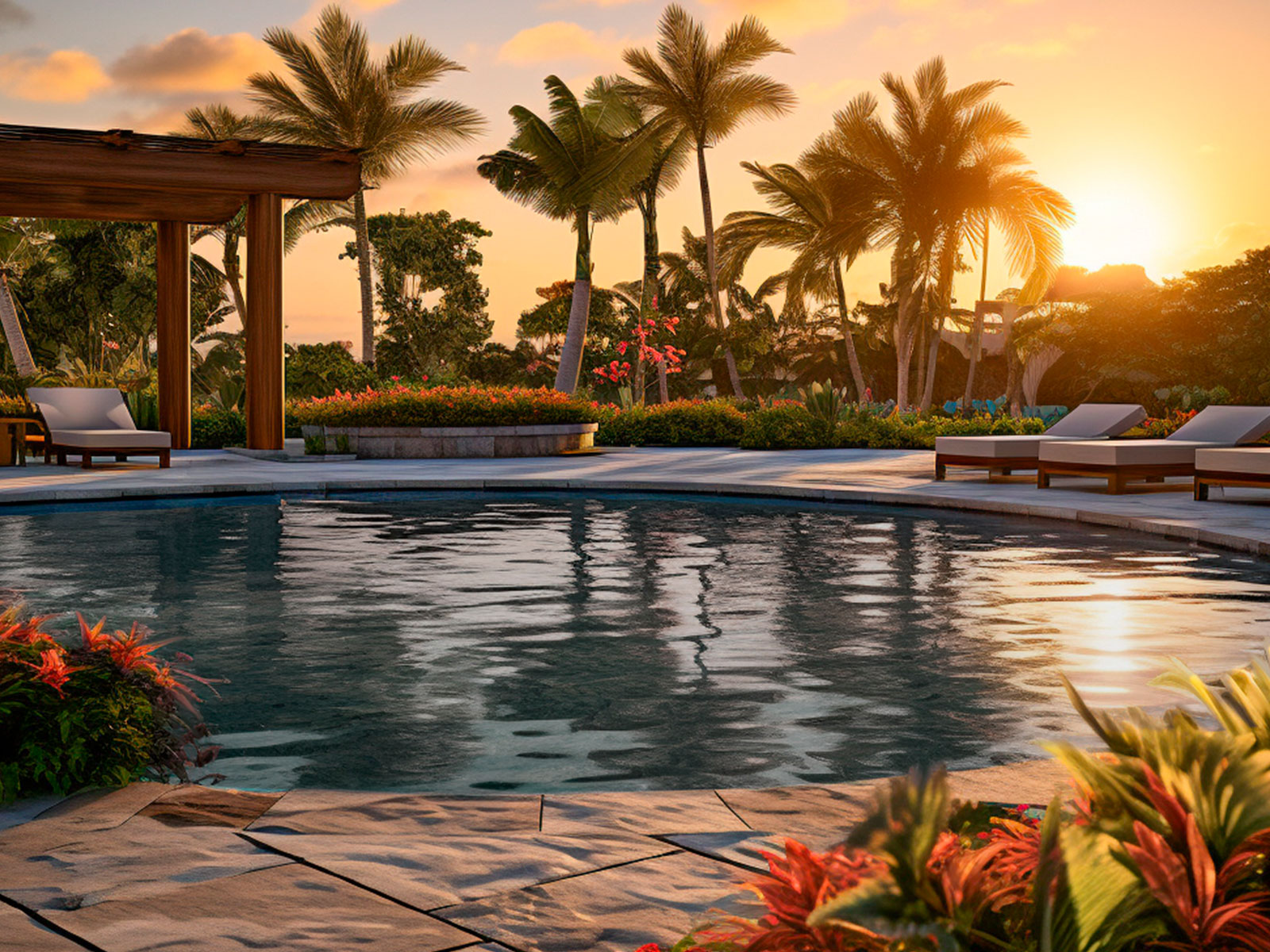
Pool Decking Materials
The surrounding deck defines the functional outdoor space around the pool.
| Material | Benefits | Considerations |
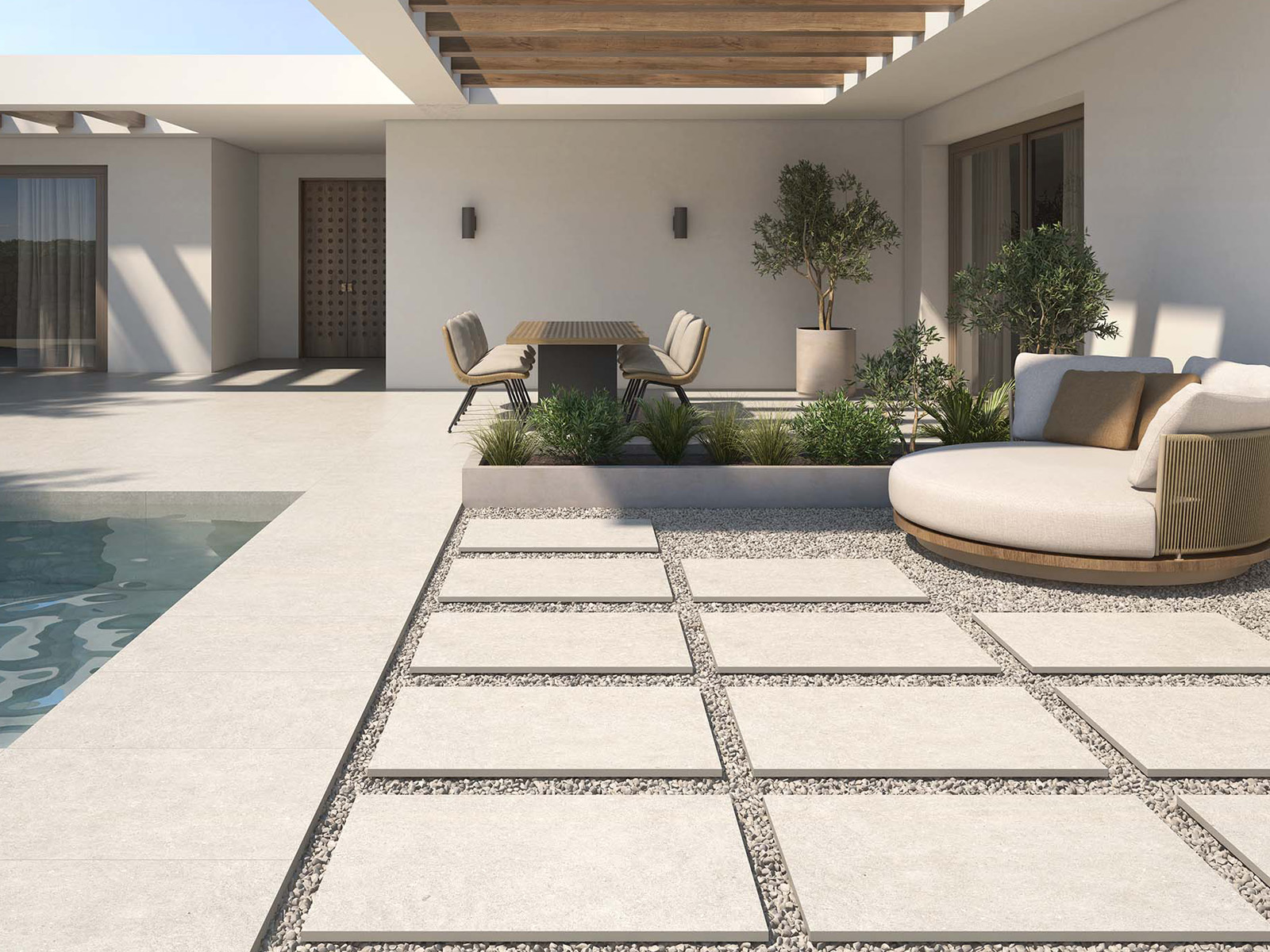
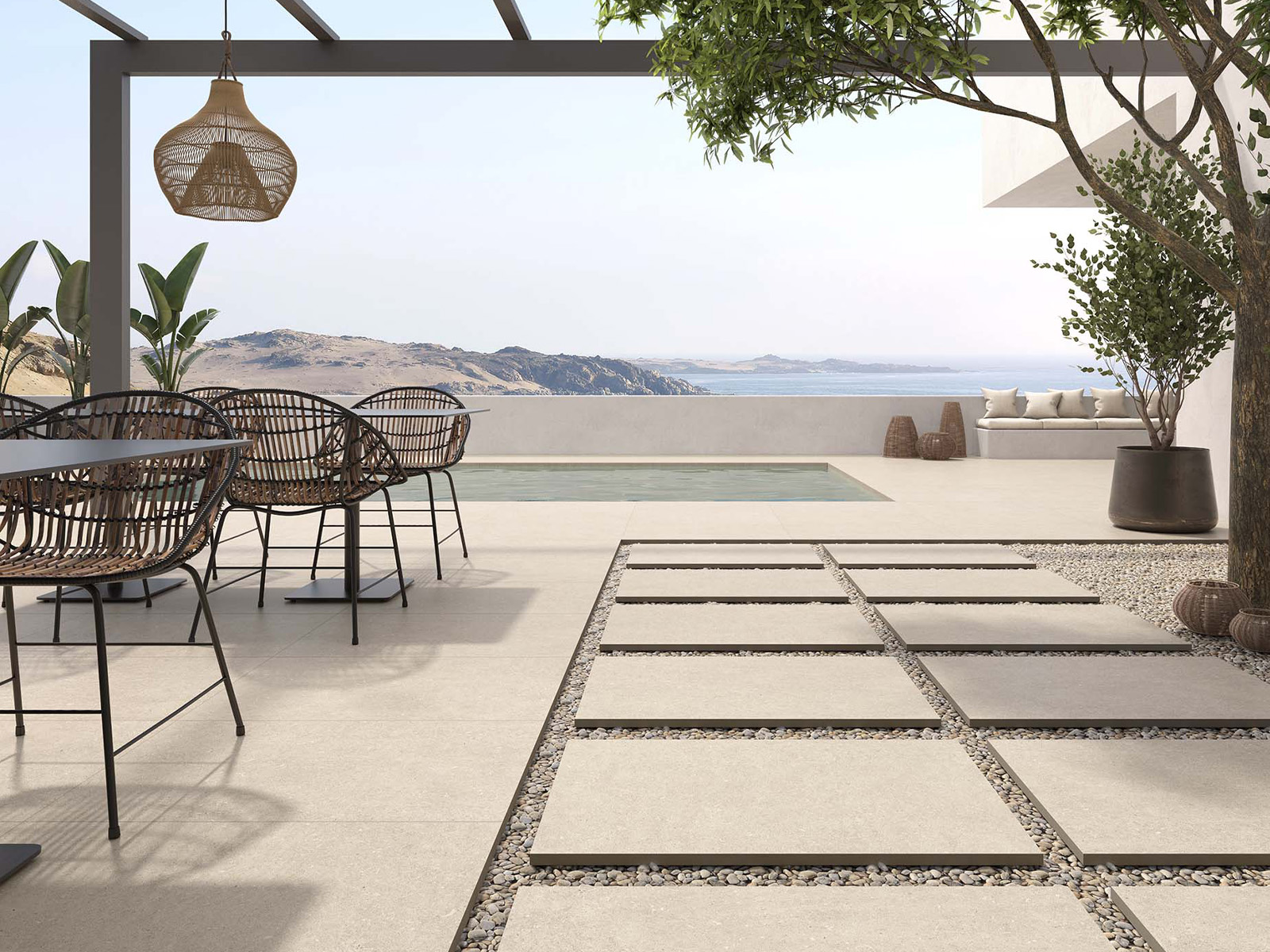
| Porcelain Pavers | Durable and slip-resistant | Premium option |
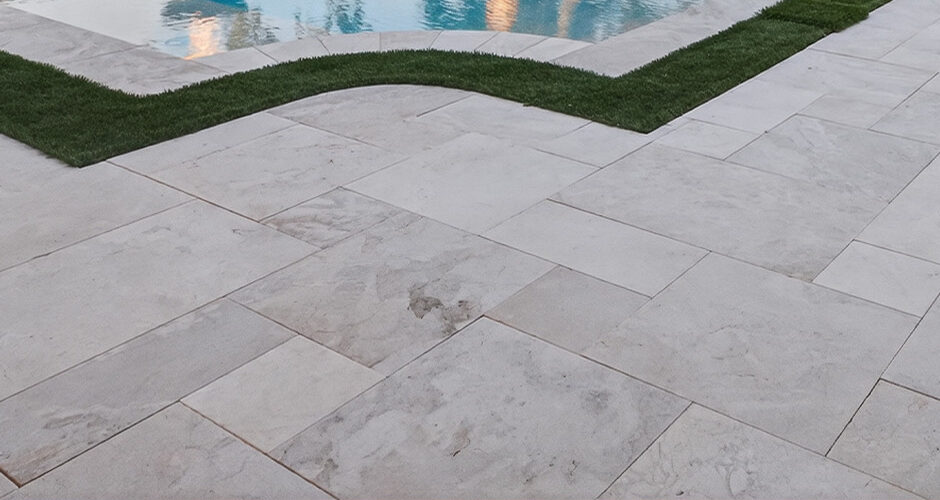
| Natural Stone | Natural texture and beauty | Requires sealing |
| Concrete | Cost effective | May fade or crack |
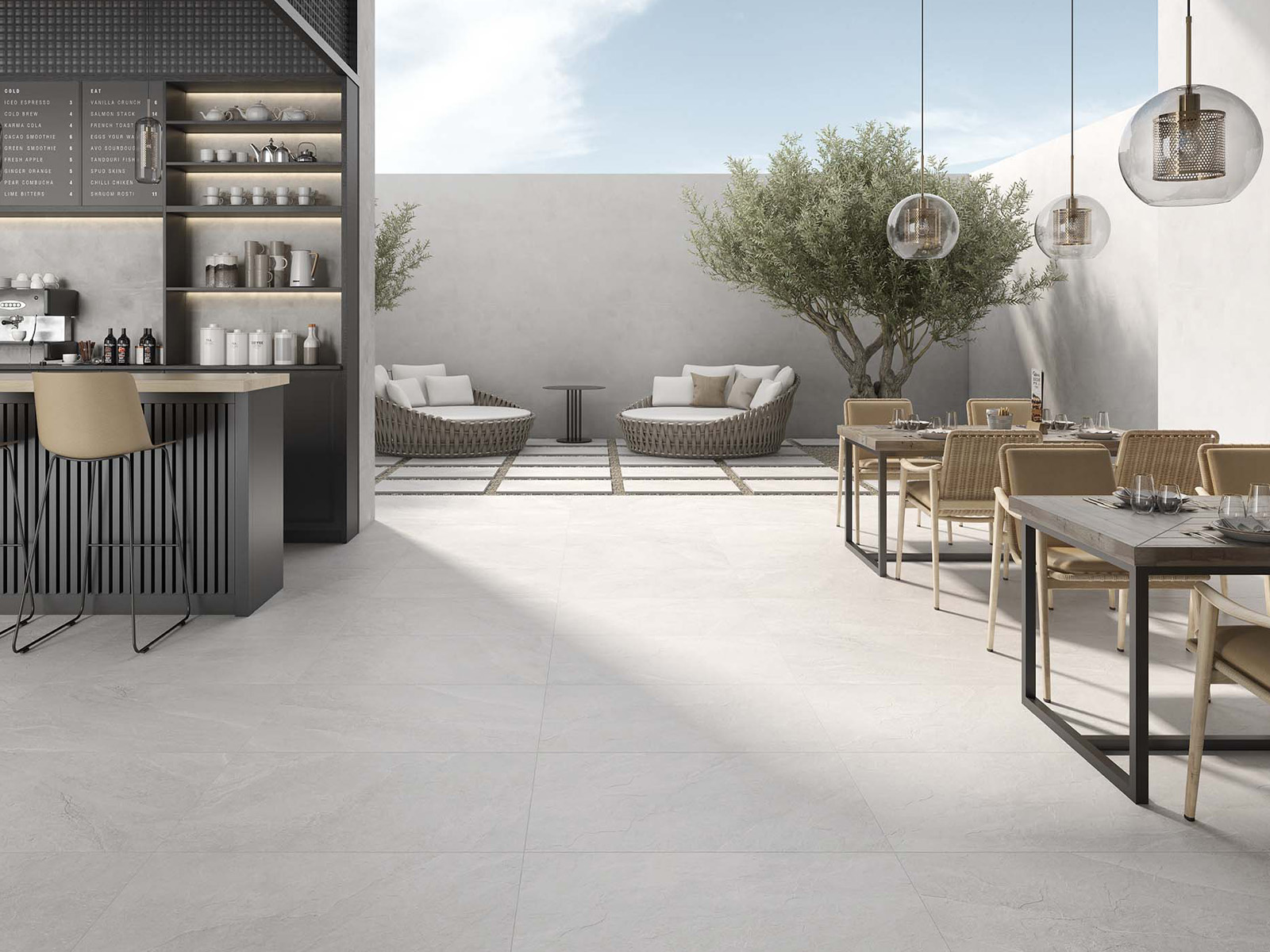
Porcelain pavers have become a popular choice for their durability and low maintenance, while natural stone offers timeless character and organic variation.
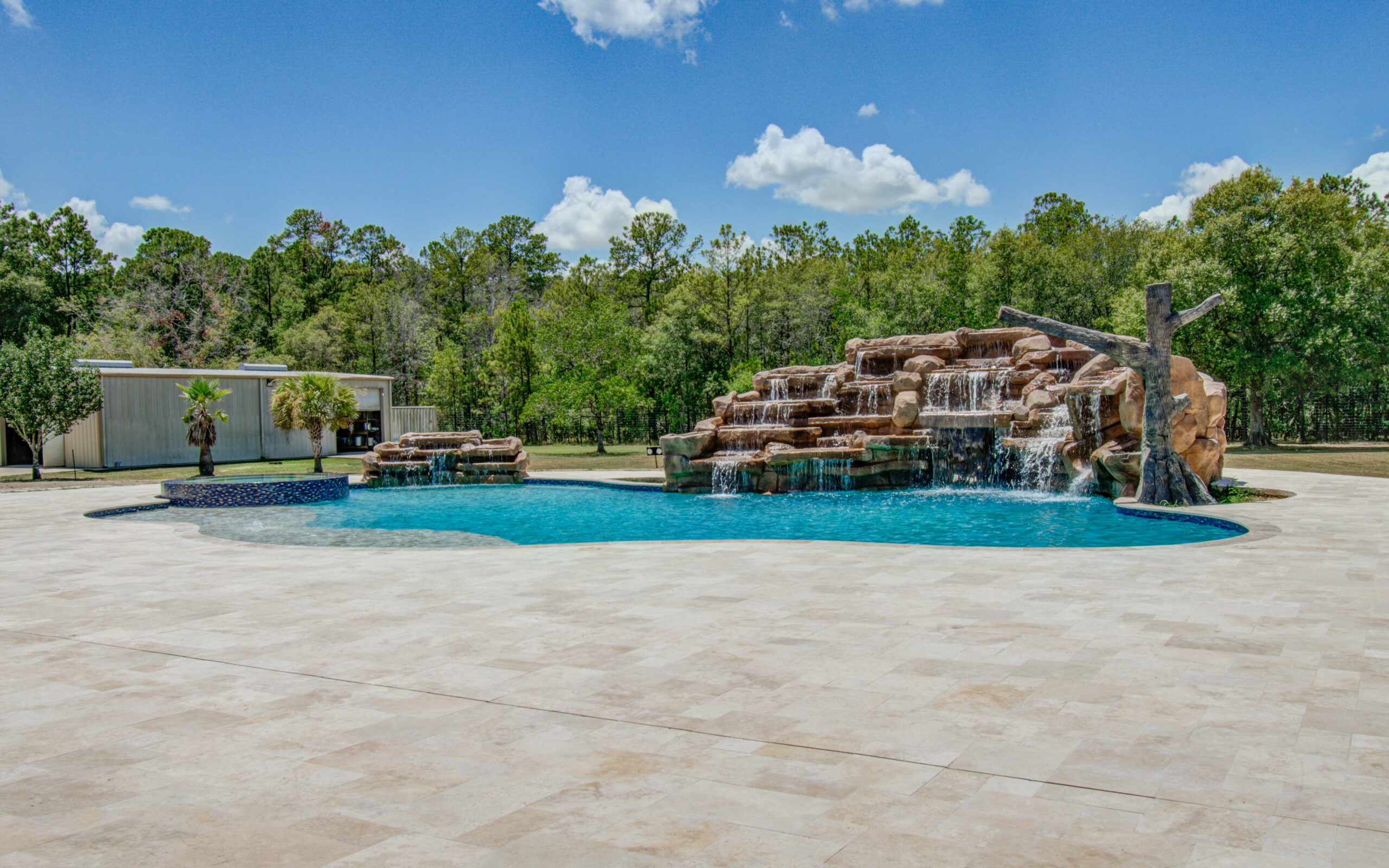
Architectural Pool Features
Modern pools often include features that enhance both aesthetics and the overall experience.
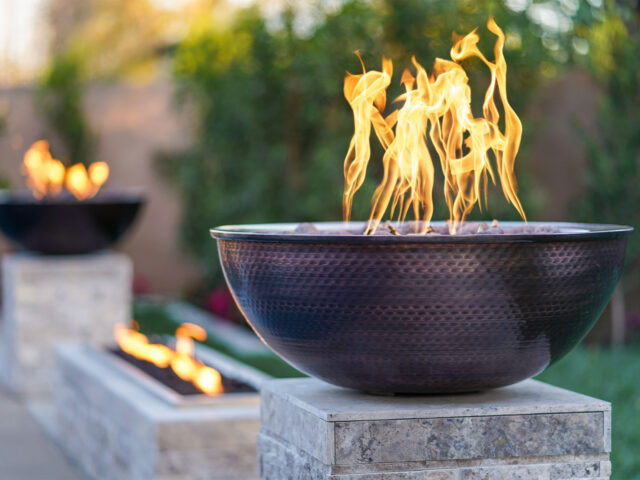
- Fire bowls and fire features add warmth and visual drama, especially in the evening.
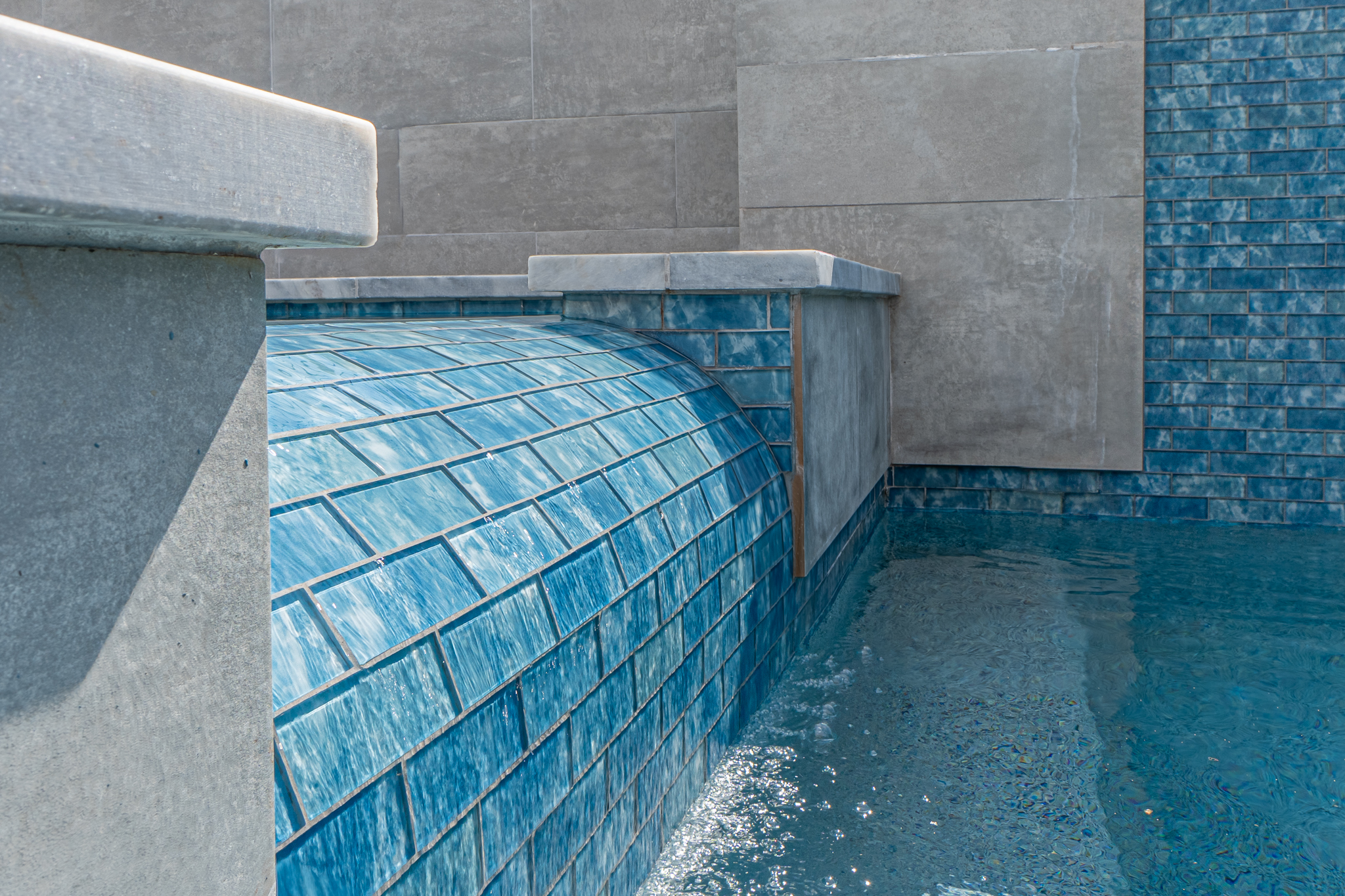
- Water features such as scuppers, waterfalls, and sheer descents introduce movement and sound, creating a more relaxing atmosphere.
- Outdoor kitchens and grills extend the pool area into a complete outdoor living space where homeowners can entertain and gather.
How Pool Materials Work Together
Successful pool designs coordinate materials carefully. Designers often match waterline tile with interior finishes, align decking materials with the home’s architecture, and incorporate mosaics and water features to create visual focal points.
When these elements work together, the pool becomes the centerpiece of the outdoor environment.
By understanding how these materials interact, you and your designer can create outdoor spaces that are both beautiful and built to last.
Conclusion
A well-designed pool combines tile, finishes, decking, and architectural features into a cohesive environment.
Frequently Asked Questions
What is the most durable pool finish?
Pebble and quartz finishes are generally the most durable because they use natural aggregates.
What tile is best for swimming pools?
Porcelain and glass tile are popular choices because they are durable and resistant to chemicals.
What is the best material for a pool deck?
Porcelain pavers and natural stone are among the most durable and visually appealing options.
About the Author
 Miguel Bermeo
Marketing Director at Aquabella, with a focus on brand identity, showroom experience, and market intelligence. His work centers on how Aquabella shows up across touchpoints — from store flow and product presentation to how the brand connects with both homeowners and builders.