How to Choose the Right Grout Color for Pool Tile
Choosing the right grout color for your pool tile might seem like a small detail, but it has a big impact on how your pool looks over time. The right choice can help your pool stay clean-looking and consistent, while the wrong one can highlight stains, buildup, and uneven aging.
Blend vs Contrast: Where to Start
When selecting grout color, most choices fall into two approaches:
- Blended look: grout closely matches the tile, creating a smooth, uniform appearance
- Contrasting look: grout stands out and highlights the shape and pattern of each tile
Both can look great, but contrast tends to draw more attention—not just to the design, but also to how the surface changes over time.
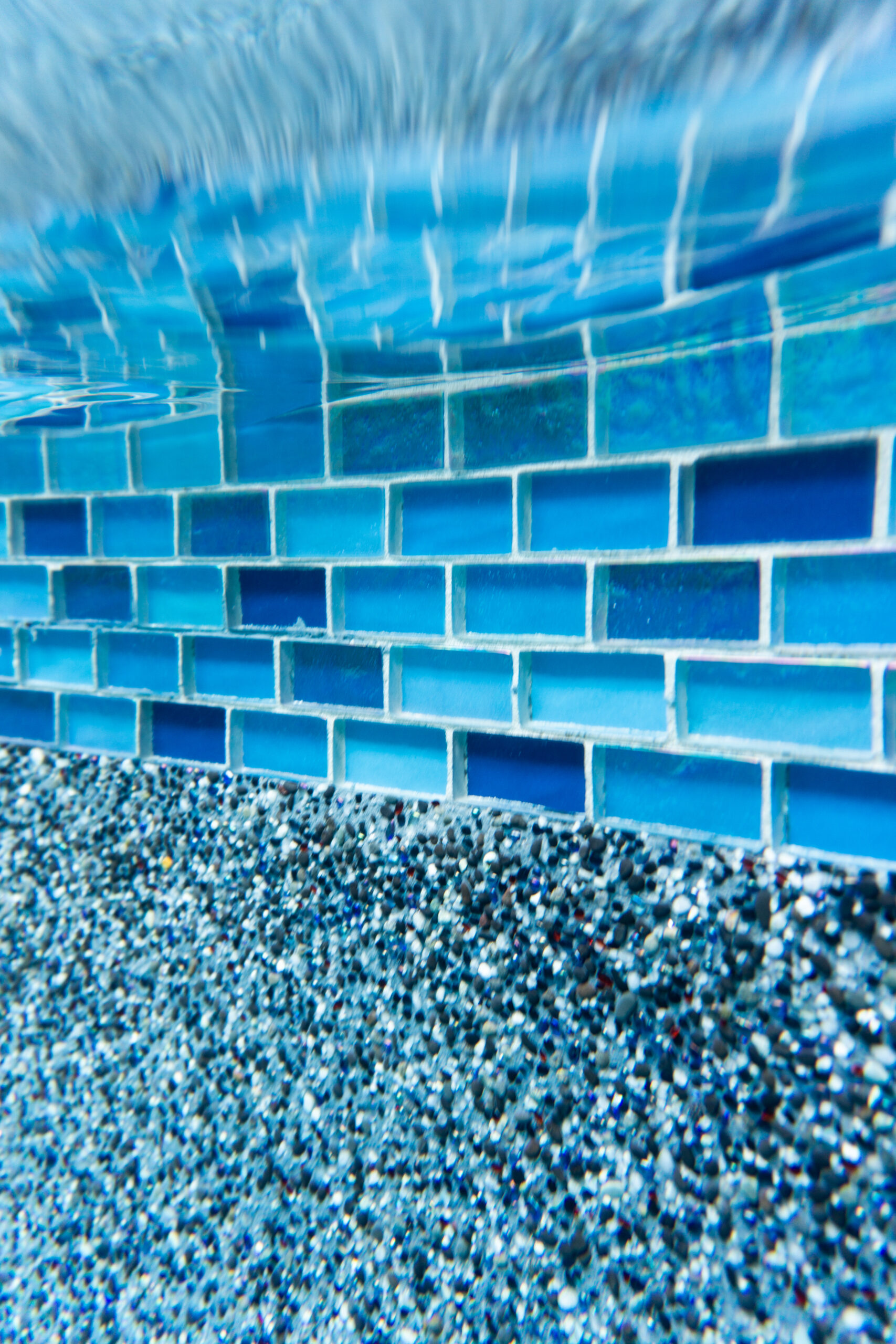
With high-variation glass mosaics—such as Aquabella’s Aqua, Starlight, or Constellations series—a blended grout is often recommended to maintain a fluid, water-like effect.
See It Before You Decide
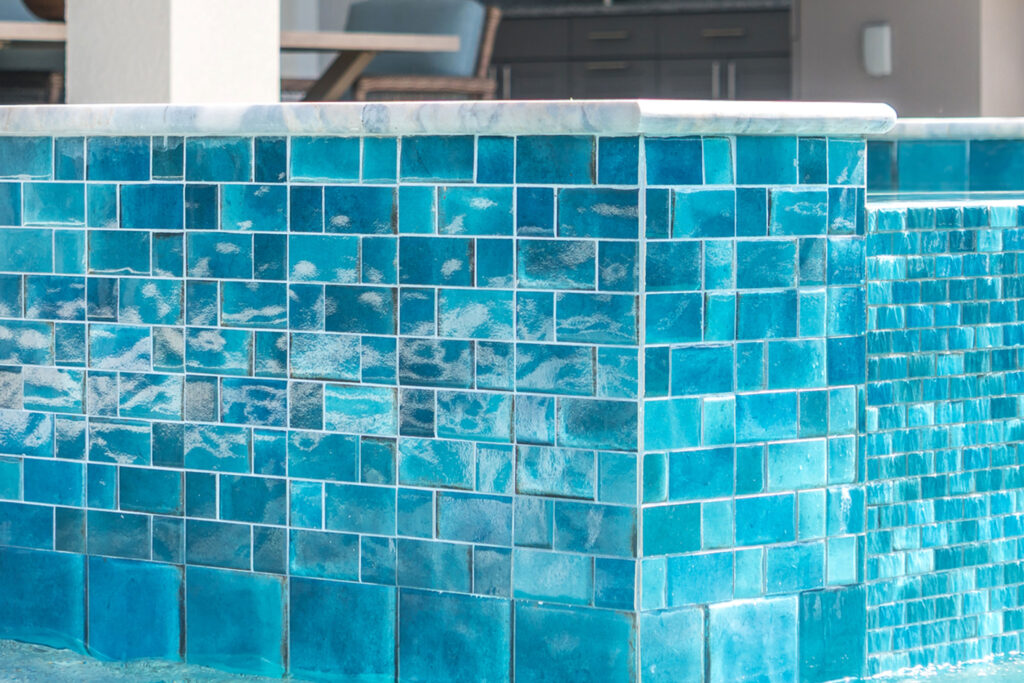
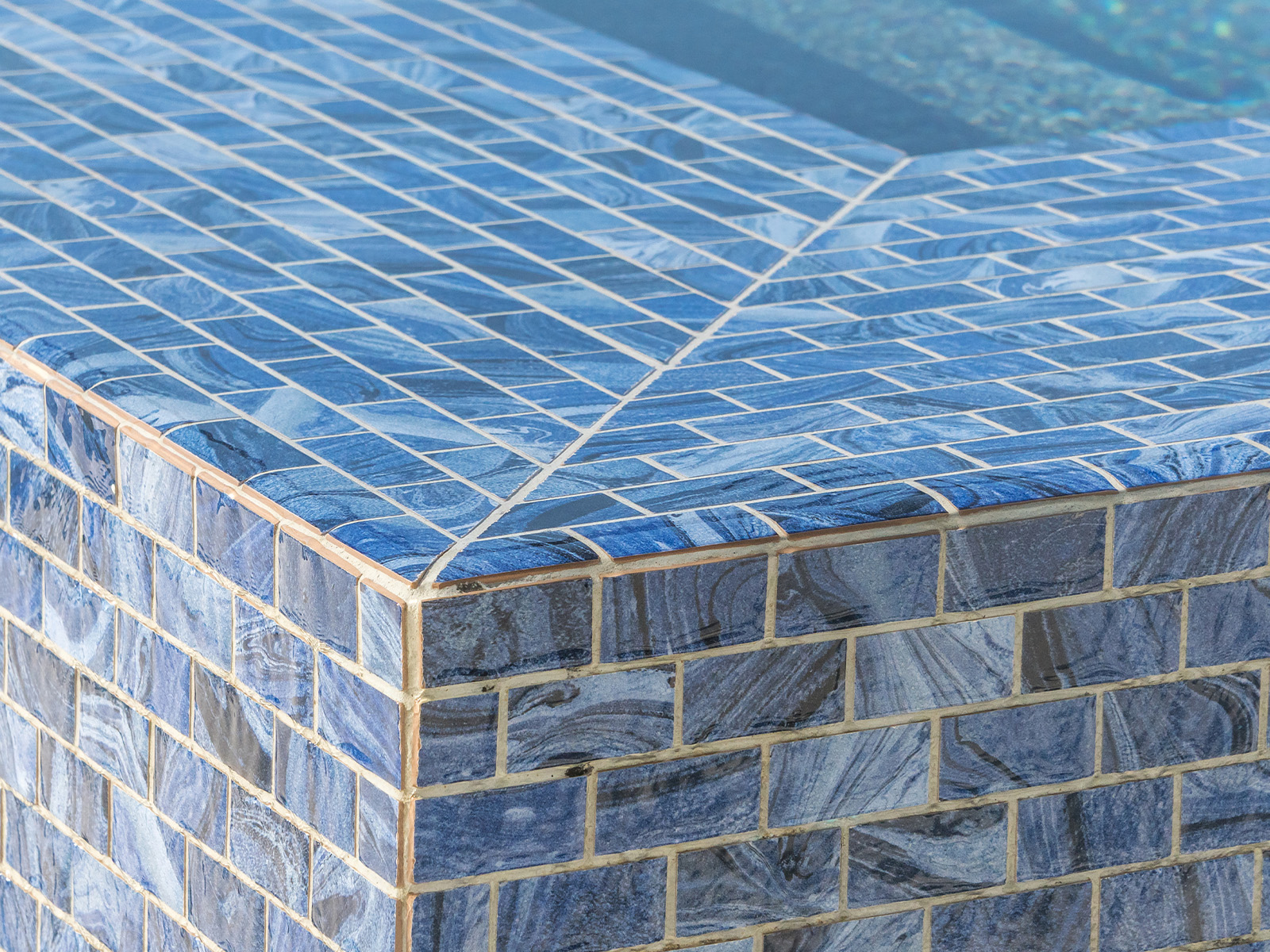
See how different grout colors change the appearance of your Aquabella tile.
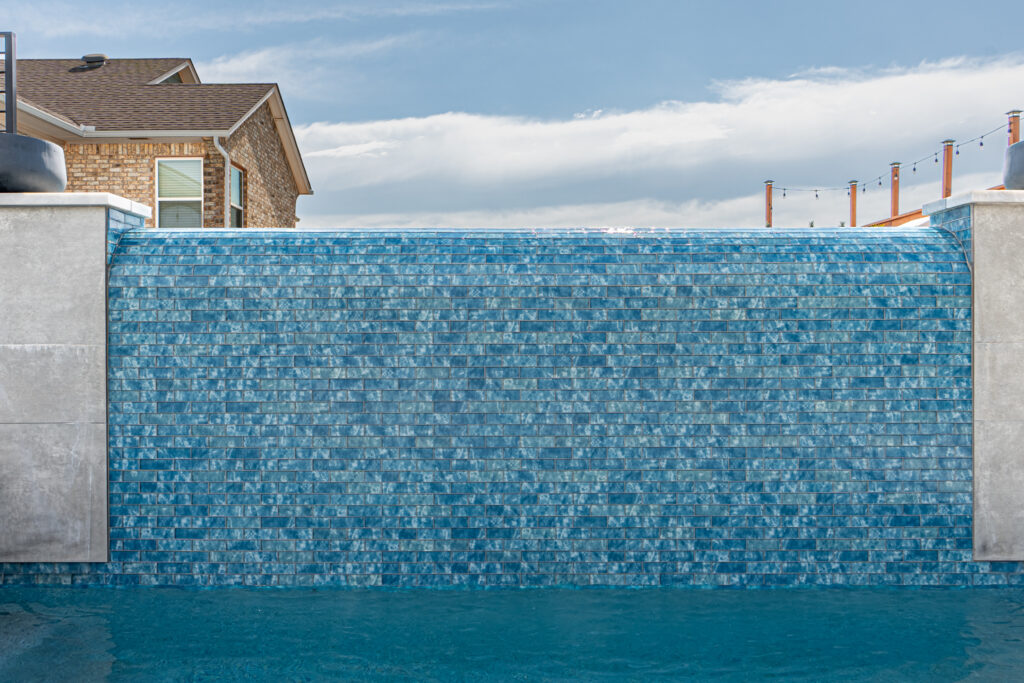
Light vs Dark Grout
Dark Grout
- Creates a bold, defined look
- Highlights tile patterns and layout
- Can show calcium buildup and residue more easily
- May appear lighter over time as minerals accumulate
Dark grout is typically used in more structured designs or with porcelain tile collections where a more architectural look is desired.
Light Grout
- Creates a softer, more seamless appearance
- Better hides scale and residue
- Tends to look more consistent as the pool ages
In areas with hard water—such as Utah, Arizona, and Texas—lighter grout colors are generally the most forgiving over time.
Submerged vs Non-Submerged Areas
Where the tile is installed plays a key role in grout selection.
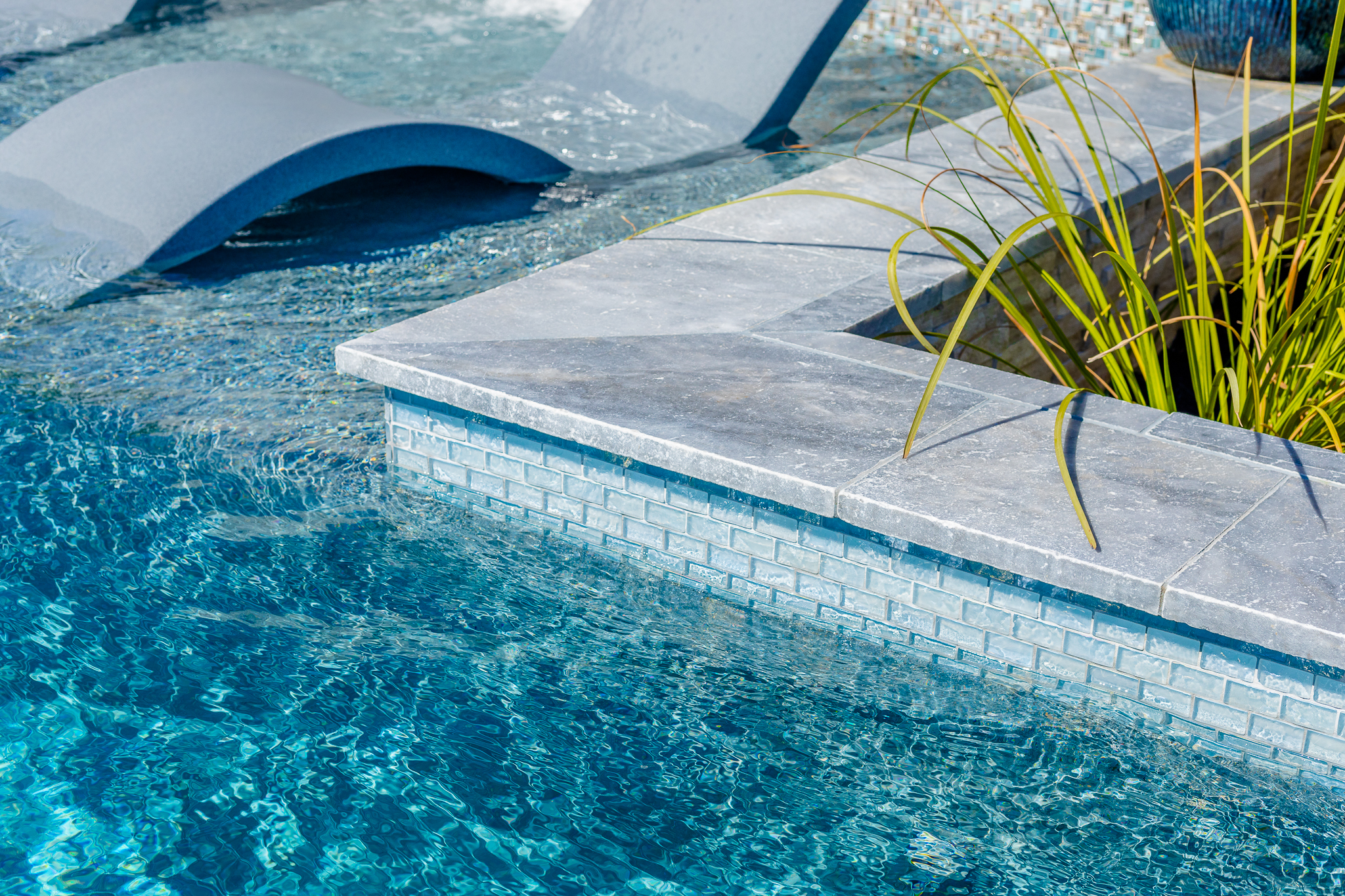
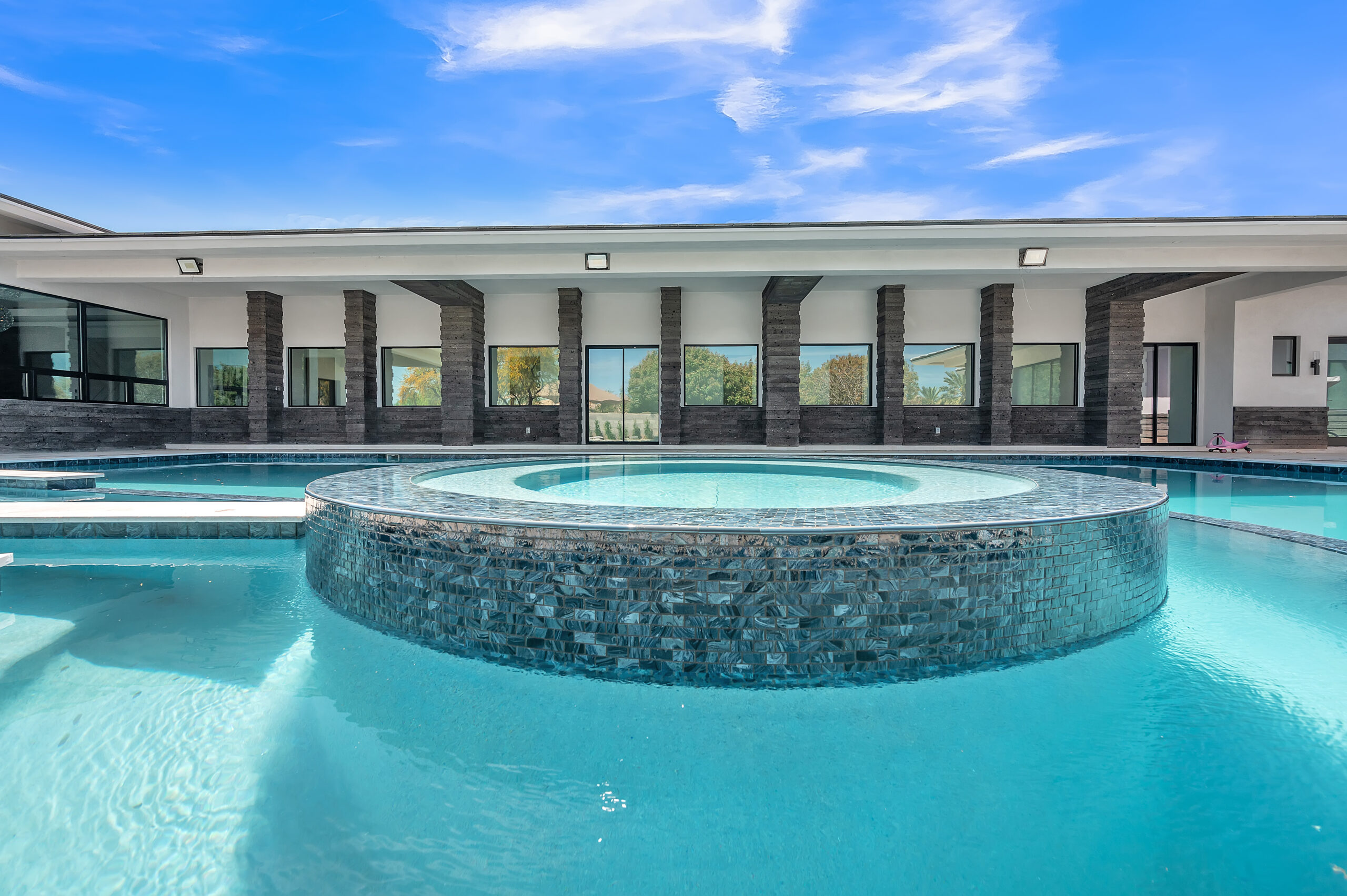
Submerged areas (waterline, full tile pools):
- Constant exposure to water and chemicals
- Higher likelihood of scaling and discoloration
- Benefit from lighter colors and higher-performance grout
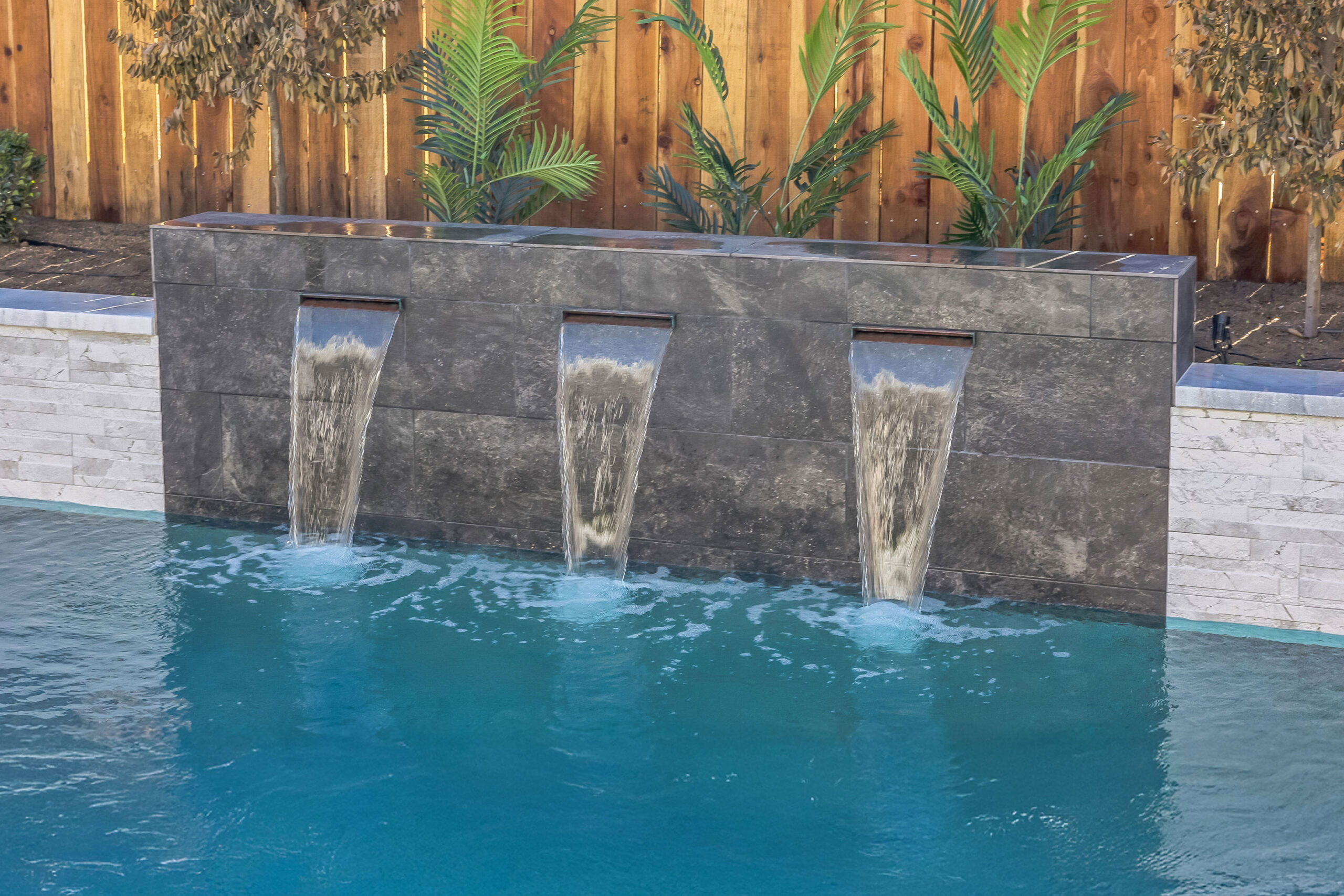
Non-submerged areas (raised walls, spillways, outdoor features):
- Exposure to sun, air, and debris
- More flexibility in grout color and material
Why Water Chemistry Matters
Water chemistry directly affects grout appearance.
Minerals such as calcium can build up on the surface when water is not properly balanced, causing grout to discolor or develop residue. This is one of the most common reasons grout appears to “change color” over time.
Industry guidance confirms that water chemistry directly affects the appearance and longevity of pool finishes [1].
Maintaining proper levels of:
- pH
- Calcium hardness
- Total alkalinity
It is essential to preserve grout color and consistency.
When selecting grout color, most choices fall into two approaches: a blended look, where grout closely matches the tile, creating a smooth, uniform appearance; and a contrasting look, where grout stands out, highlighting the shape and pattern of each tile.
Matching Grout to the Type of Tile
Grout selection should always align with the tile being used.
Glass mosaics:
- Benefit from lighter grout for a more seamless appearance
- Perform best with higher-performance grout systems
Porcelain tile:
- More flexible in both color and grout type
- Can support both blended and contrast looks
Decorative mosaics:
- Typically paired with neutral grout colors
- Designed to keep focus on the artwork
Recommended Grout Options from Aquabella
Choosing the right grout type is just as important as choosing the right color. Aquabella offers several grout solutions designed for pool and outdoor environments.
AccuColor® Plus Grout
A polymer-enhanced grout designed for improved durability and consistent color. It helps reduce cracking and shrinking and is a strong option for most pool and waterline applications.
Best for: waterline tile, glass mosaics, general pool use
Laticrete® Sanded Grout
A cement-based grout designed for wider joints and durable installations. Suitable for outdoor and porcelain tile applications.
Best for: porcelain tile, decks, larger grout joints
Laticrete® Unsanded Grout
A smoother grout designed for narrow joints and delicate surfaces, such as glass tile.
Best for: glass mosaics, fine joints, detailed designs
AccuColor® Premium Sanded Grout
An enhanced sanded grout option offering improved strength and performance for exterior applications.
Best for: outdoor areas, porcelain installations, higher-demand environments
For a full overview of available options:
https://aquabellatile.com/product-series/grout/
By selecting the right grout from the start, you can ensure your pool not only looks great on day one, but also continues to look great over time.
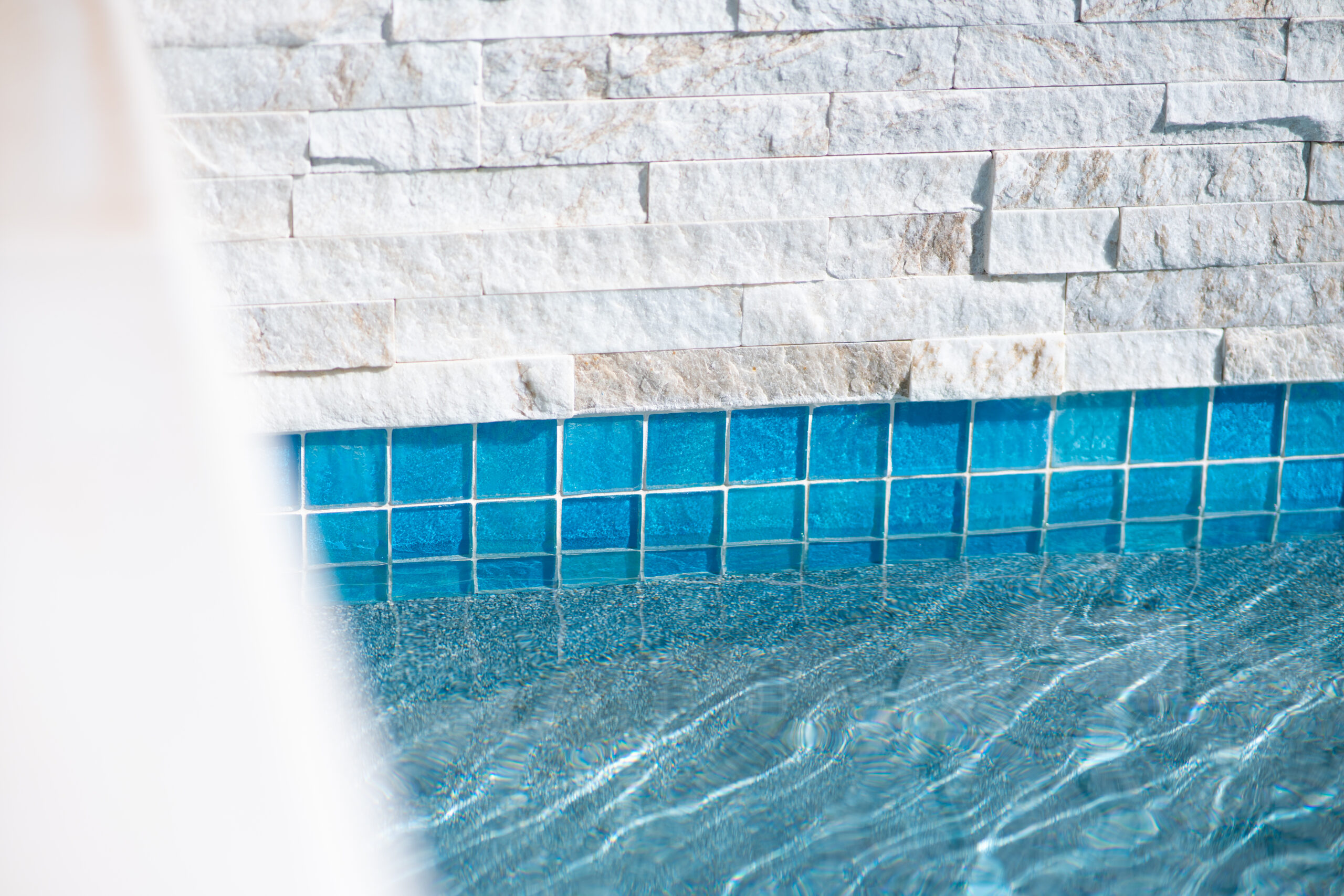
Glass Tile? Choose the Right Grout
Glass tile expands and contracts more than other materials, which puts stress on grout.
As a result, higher-performance grout is recommended. Products that meet ANSI A118.3 standards (epoxy grout) offer better resistance to water, chemicals, and long-term wear [2].
Proper installation also includes movement joints to accommodate expansion and contraction, as required by the Tile Council of North America (TCNA) [3].
Common Mistakes to Avoid
- Choosing grout color based only on how it looks dry
- Ignoring water conditions in your area
- Using the wrong grout type for the application
- Skipping movement joints
- Selecting high-contrast grout in hard water environments
What to Expect Over Time
Grout will naturally evolve over time due to exposure to water, minerals, and environmental conditions.
The goal isn’t to keep it looking exactly the same forever, but to choose a color and material that continue to look good over time.
Final Takeaway
The best grout choice depends on the combination of color, material, and environment.
In most pool applications, lighter grout tones paired with higher-performance grout systems offer the best balance of appearance, durability, and long-term performance.
By selecting the right grout from the start, you can ensure your pool not only looks great on day one, but also continues to look great over time.
About the Author
 Belinda Scronce
Belinda is the Sales Manager for Aquabella’s Houston branch, working closely with pool professionals and homeowners to bring design concepts to life. Her hands-on experience in tile applications gives her a strong focus on material selection, installation details, and long-term performance.