Swimming pools present conditions far different from those of bathrooms or kitchen backsplashes. Pool grout must withstand continuous water exposure, sanitizing chemicals, mineral deposits, and temperature fluctuations. Understanding how different grout materials perform is essential to choosing the right product and maintaining a durable tile installation.
But not all swimming pool grout needs to be sealed. Whether sealing is necessary depends on the grout formulation, its exposure to water, and the manufacturer’s requirements. In fact, applying the wrong sealer to submerged grout may create more problems than it prevents.
Does Cement-Based Pool Grout Need Sealing?
Traditional cement-based grout is naturally porous, allowing moisture, minerals, oils, and other contaminants to penetrate its surface. In certain applications, a penetrating sealer can reduce absorption and make routine cleaning easier.
However, modern high-performance cementitious grouts are different. Many incorporate advanced polymers and other technologies to improve density, stain resistance, and durability.
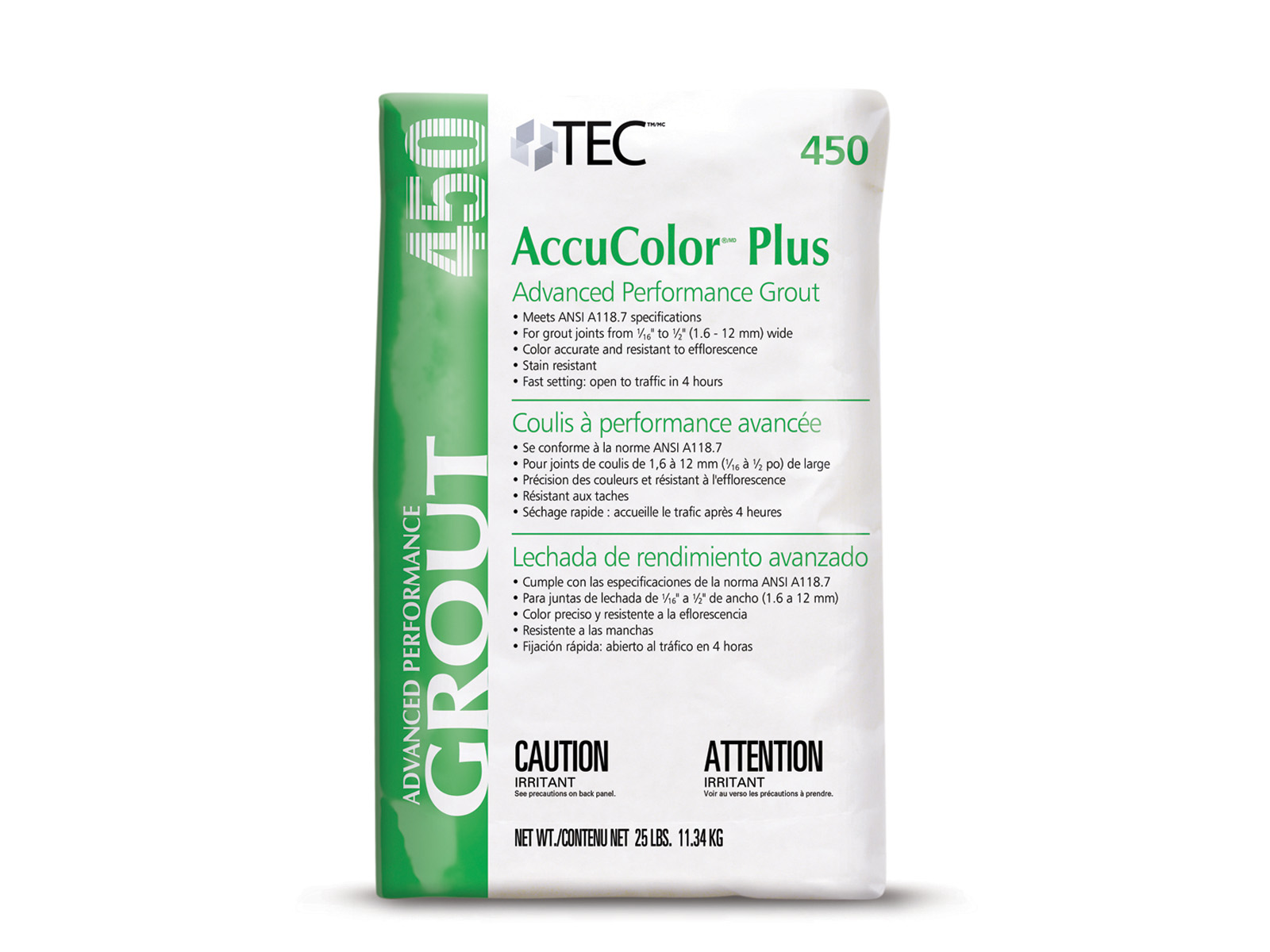
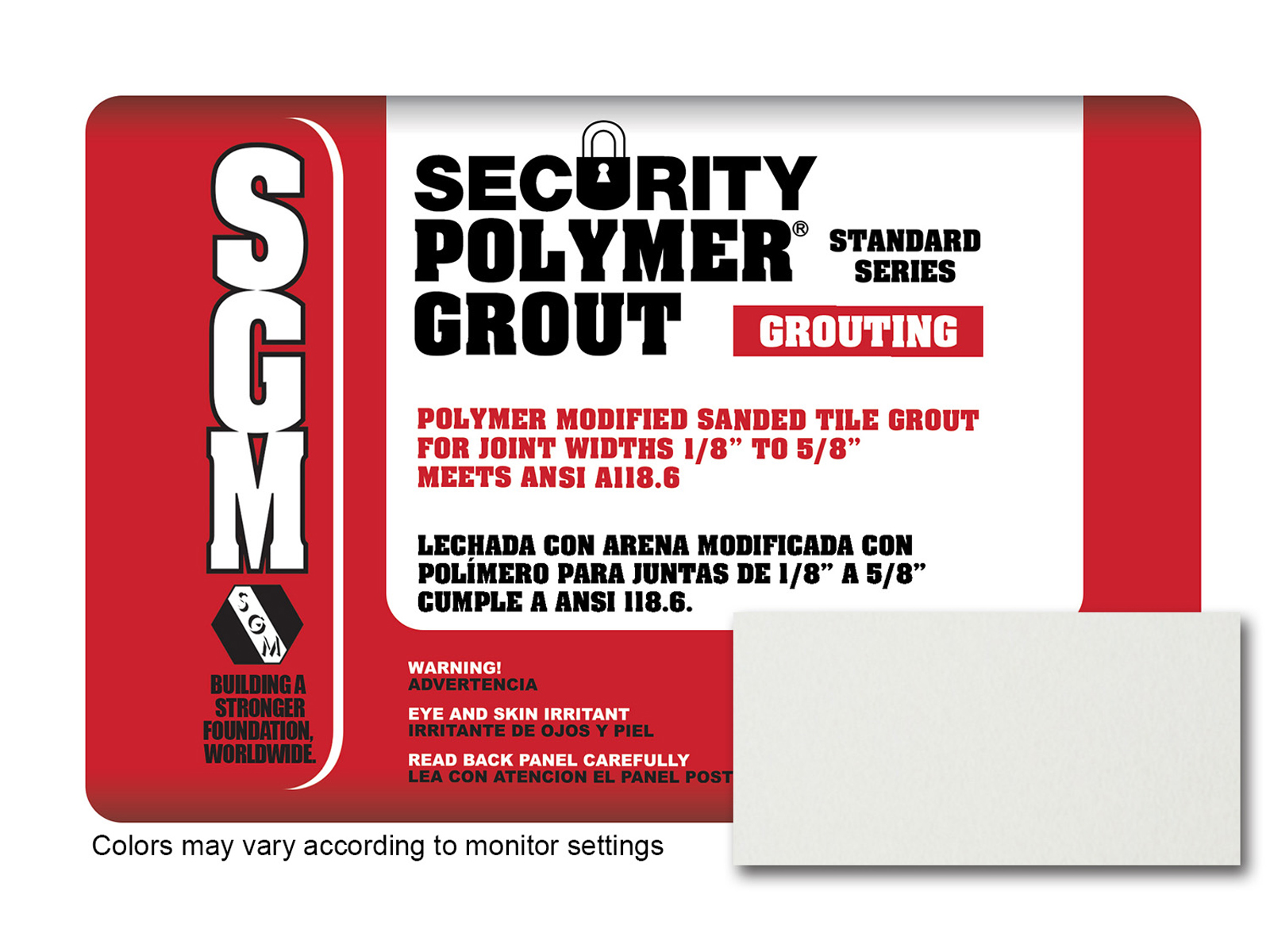
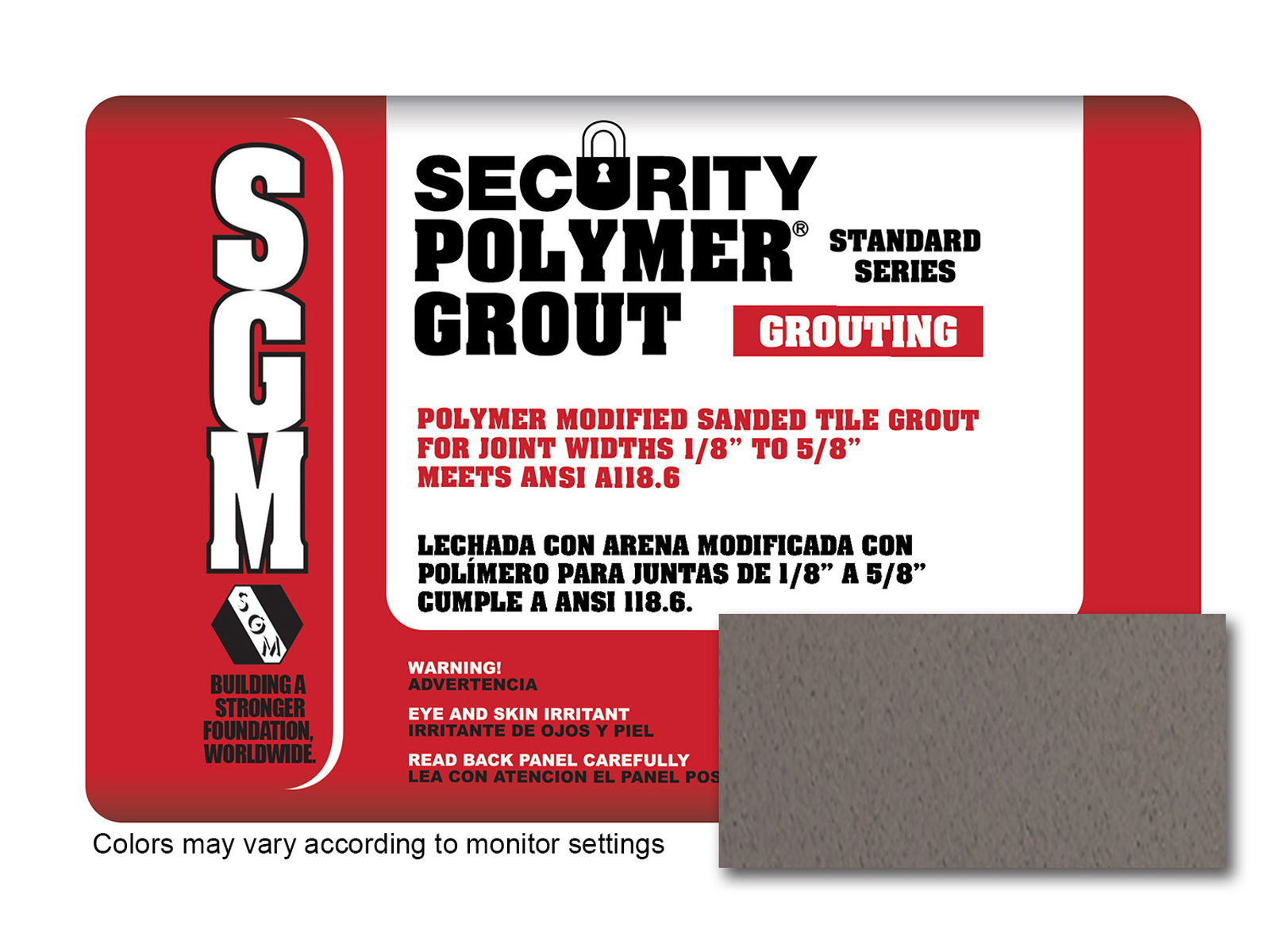
For example, TEC Power Grout is a high-performance cementitious grout approved for submerged applications that does not require sealing. SGM Security Polymer Grout is another polymer-modified cementitious option specifically identified for swimming pools, spas, fountains, and submerged installations. Its technical documentation emphasizes proper mixing, installation, and curing to achieve reliable performance.
Similarly, LATICRETE PERMACOLOR Select offers enhanced stain resistance and is approved for submerged use without additional sealing. Texrite TEXCOLOR Grout is also approved for submerged applications after its specified 21-day curing period, although its suitability for immersion should not be interpreted as a universal recommendation against sealing.
These products demonstrate why grout selection should be based on the specific formulation, submerged-use approval, and manufacturer instructions rather than assuming every cement-based grout requires sealing. Homeowners and contractors can explore available options through Aquabella’s grout collection.
What About Epoxy Grout?
Epoxy grout is manufactured using resin, hardener, and specialized fillers. Unlike conventional cement-based grout, it forms a dense, low-absorption joint with excellent resistance to many chemicals and stains.
These characteristics make properly formulated epoxy grout particularly suitable for swimming pools, spas, and water features.
For example, Litokol Starlike EVO is a two-component epoxy grout engineered for high mechanical and chemical resistance, low absorption, and stain resistance. These characteristics make epoxy grouts particularly valuable in demanding wet environments. However, contractors must verify that the exact formulation is approved for continuous immersion in swimming pools and follow its specific installation and curing requirements.
B, not every epoxy grout is approved for continuous underwater use. Builders should verify the exact product’s submerged-application requirements, chemical resistance, and curing instructions before installation.
For homeowners comparing grout appearance, Aquabella’s article on choosing the right grout color for pool tile explains how material selection, color, and environmental conditions influence the finished look.
Does It Matter Whether the Grout Is Above or Below the Waterline?
Absolutely. The location of the grout is one of the most important considerations when evaluating sealing.
Below the waterline, grout remains continuously submerged. Many penetrating sealers intended for countertops, showers, and outdoor tile are not approved for permanent immersion. Applying these products underwater may provide little benefit or result in performance issues.
Above the waterline, grout experiences intermittent splashing, drying, sunscreen residue, dirt, and mineral buildup. In these areas, a compatible penetrating sealer may help reduce staining, particularly with traditional cementitious grout.
The distinction matters because water resistance does not necessarily mean a product is suitable for continuous submersion. Before applying any treatment, review the technical instructions from both the grout and sealer manufacturers.
Water-resistant doesn’t always mean submersion-approved. A grout or sealer that performs well in showers or outdoor installations may not withstand continuous underwater exposure. Always verify that the specific product is approved for swimming pool applications.
Does Grout Sealer Make a Swimming Pool Waterproof?
No. This is a common misconception.
Grout sealer is primarily intended to reduce surface absorption and staining. It does not replace a properly engineered waterproofing system or repair cracks in the pool structure.
This distinction is reinforced by SGM’s technical specifications for swimming pool glass tile installations, which identify separate products and procedures for waterproofing, tile setting, and grouting. The system includes SGM Security Polymer Grout and Southcrete waterproofing materials, demonstrating why grout alone should never be relied upon as the pool’s waterproof barrier.
Equally important is the distinction between grout and flexible sealants. Grout fills the spaces between tiles, while movement joints accommodate expansion, contraction, and structural movement. Aquabella’s technical article, Grout Joints and Movement Joints in Swimming Pools, explains why these components serve different purposes and how improper joint treatment can contribute to tile installation failures.
Why Does Pool Grout Deteriorate?
When grout becomes discolored, cracked, soft, or powdery, homeowners often assume it needs to be sealed. However, deterioration may indicate an underlying installation or maintenance problem.
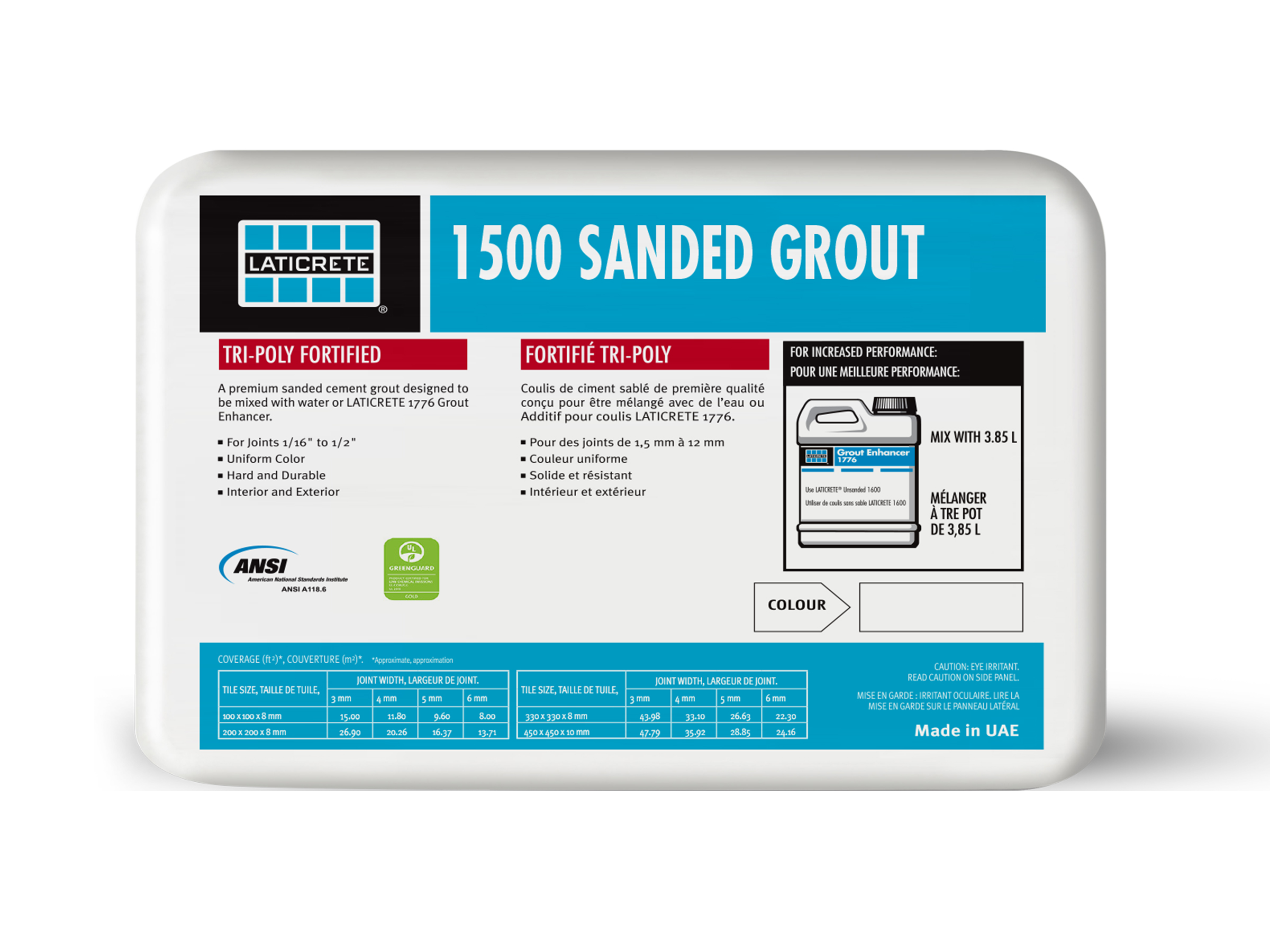
According to LATICRETE’s technical bulletin on regrouting swimming pools (TDS 186), several factors can contribute to grout failure, including improper pool water chemistry, premature pool filling, inadequate accommodation for movement, unsuitable grout selection, and poor installation practices.
For example, aggressive water chemistry can affect cementitious materials over time. Similarly, filling a pool before grout and setting materials have adequately cured may compromise their performance.
Curing requirements vary significantly by manufacturer and formulation. For example, TEC Power Grout specifies a minimum of seven days before complete water immersion, while SGM’s swimming pool installation specifications identify a 14-day curing period for thin-set and grout. LATICRETE PERMACOLOR Select and Texrite TEXCOLOR also have product-specific curing requirements, reinforcing the importance of following the exact manufacturer’s instructions before filling a pool.
Proper movement joints are equally important. The Tile Council of North America’s EJ171 guidance addresses movement accommodation in tile installations, helping prevent stresses that can damage grout and tile.
For additional installation information, Aquabella provides a Pool Tile Installation Guide covering installation practices, movement joints, and maintenance considerations.


Should You Seal Existing Pool Grout?
Before sealing existing grout, determine whether it actually needs treatment.
White deposits may indicate calcium scale or efflorescence rather than failed grout. Darkening may result from accumulated dirt, organic material, or other contaminants. Neither condition automatically means a sealer is needed.
If grout is cracked, missing, or deteriorating, investigate the cause before applying any protective treatment. Sealing damaged grout will not restore its structural integrity or correct an underlying water chemistry or installation problem.
For compatible cementitious grout in non-submerged applications, a penetrating sealer may help simplify future maintenance. Follow the manufacturer’s preparation, curing, and application requirements.
Sealing is not a solution for failing grout. Cracking, discoloration, or deterioration may indicate water chemistry issues, inadequate curing, or installation deficiencies. Identifying the underlying cause is essential before deciding whether cleaning, repair, or replacement is necessary.
The Bottom Line: Choose the Right Grout Before Considering a Sealer
Sealing pool grout is not a universal maintenance requirement.
Traditional cement-based grout may benefit from sealing in certain applications. High-performance cementitious grout may be designed to perform without sealing, while epoxy grout approved for submerged use generally requires no additional sealer.
The most important considerations are selecting grout specifically approved for swimming pools, following proper installation and curing procedures, maintaining balanced water chemistry, and accommodating movement throughout the tile assembly.
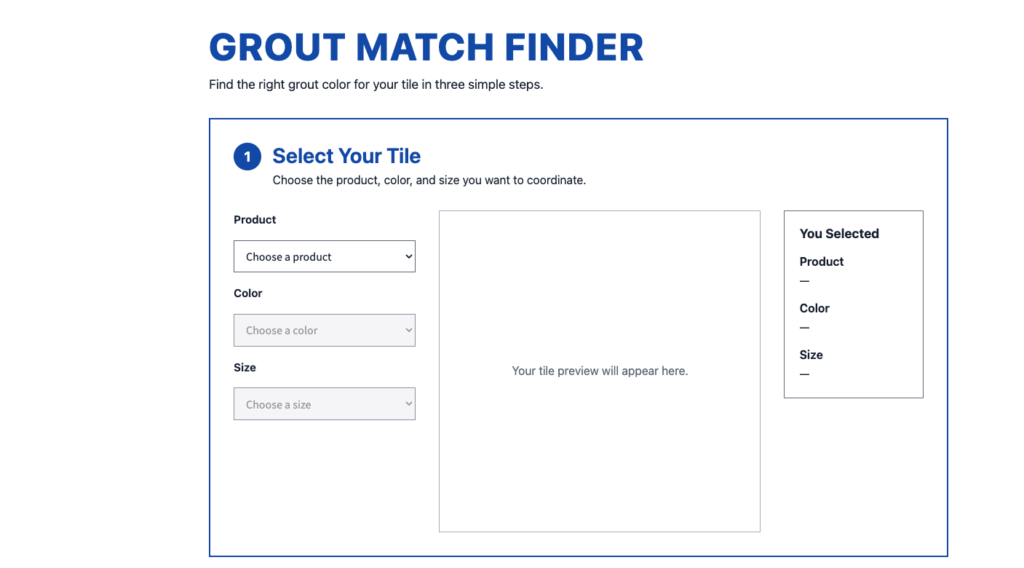
For a successful installation, grout selection should balance technical performance with appearance. Aquabella’s Grout Match Finder can help homeowners and builders compare grout colors with their selected pool tile before making a final decision.
Ultimately, the best protection for swimming pool grout comes from choosing the correct materials and installing them properly—not automatically applying a sealer.
About the Author
Kevin Streadbeck
Kevin is a Sales Representative at Aquabella® in Houston, Texas, with previous experience at the company’s Port Saint Lucie and Sacramento branches. His experience across multiple markets gives him valuable insight into customer needs, pool tile products, and industry trends.