Choosing grout for a swimming pool may seem like a small detail, but it can make a big difference in how the pool looks, performs, and ages over time.
Most homeowners focus on the tile first: the color, the shape, the waterline, the glass shimmer, or the overall design. Builders and installers, however, know that what goes between the tiles matters just as much. Pool grout must handle constant water exposure, chemicals, sun, movement, cleaning, and years of use.
That is why the grout decision usually comes down to three main options: cementitious grout, high-performance cement grout, and epoxy grout.
For swimming pools, cementitious grout remains the most widely used option because it is familiar, easier to install, and more budget-friendly. Epoxy grout is generally considered the premium choice because it offers excellent stain, color, and chemical resistance. In the middle, high-performance cement grout offers a strong balance between durability, cost, and installer-friendly application.
The best choice depends on the project. A backyard pool, a resort pool, a glass tile pool, and a saltwater pool do not all need to be treated the same way.
There is no single grout that is perfect for every pool. The right choice depends on the tile, the pool type, the budget, and the level of maintenance the homeowner is willing to accept.
Why Grout Matters in a Pool?
In a dry indoor space, grout mainly fills the joints and completes the look of the tile installation. In a pool, grout has a much harder job.
It must resist water, pool chemicals, minerals, cleaning products, UV exposure, and movement from the pool shell. It also plays a major role in how clean and consistent the tile installation looks over time.
For a homeowner, the concern is simple: Will the grout stay clean, keep its color, and avoid future maintenance headaches?
For a builder or installer, the concern is more practical: Is this product approved for submerged use, does it match the tile type, and can it be installed correctly within the project budget?
That is why the “best” grout is not always the most expensive one. The best grout is the one that fits the pool, the tile, the installer, and the expectations for long-term maintenance.
Cement Grout vs. Epoxy Grout for Pools
|
Grout type |
Standard cementitious grout | High-performance cement grout | Pool-rated pre-mixed grout |
True epoxy grout |
| Pool/submerged use | Yes, if approved for pools | Yes, if approved for pools | Product-specific | Excellent, if approved for submerged use |
| Chemical resistance | Good | Better | Very good, product-specific | Excellent |
| Stain resistance | Good | Better | Excellent, product-specific | Excellent |
| Color consistency | Good | Better | Excellent | Excellent |
| Installation difficulty | Easy | Easy to moderate | Easy to moderate | Harder |
| Cost | Lower | Medium | High | High |
| Best use case | Budget-friendly pool installs | Best balance of performance and cost | Smaller premium or convenience-focused projects | Luxury, glass tile, saltwater, and high-use pools |
One important note: pre-mixed does not automatically mean epoxy, and it does not automatically mean the grout can be used inside a pool. Some pre-mixed products are made for wet areas, but not for fully submerged applications. Always check the manufacturer’s data sheet before using any grout in a pool.
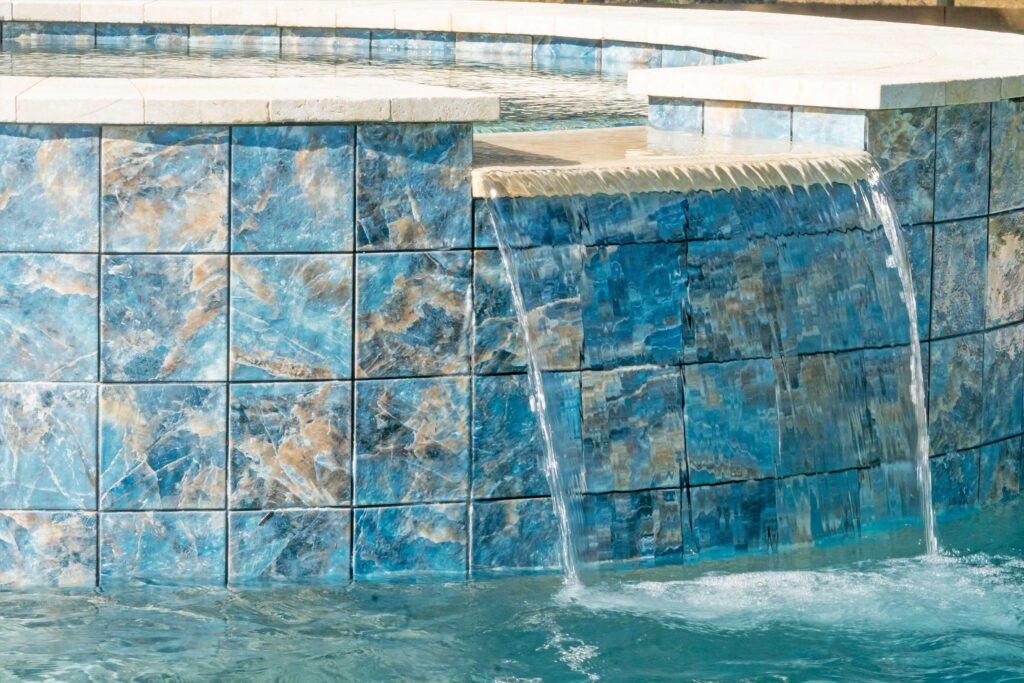
Option 1: Cementitious Grout
Cementitious grout is the traditional choice. It has been used in pool installations for years and remains popular because it is easy to work with, more affordable, and familiar to most installers.
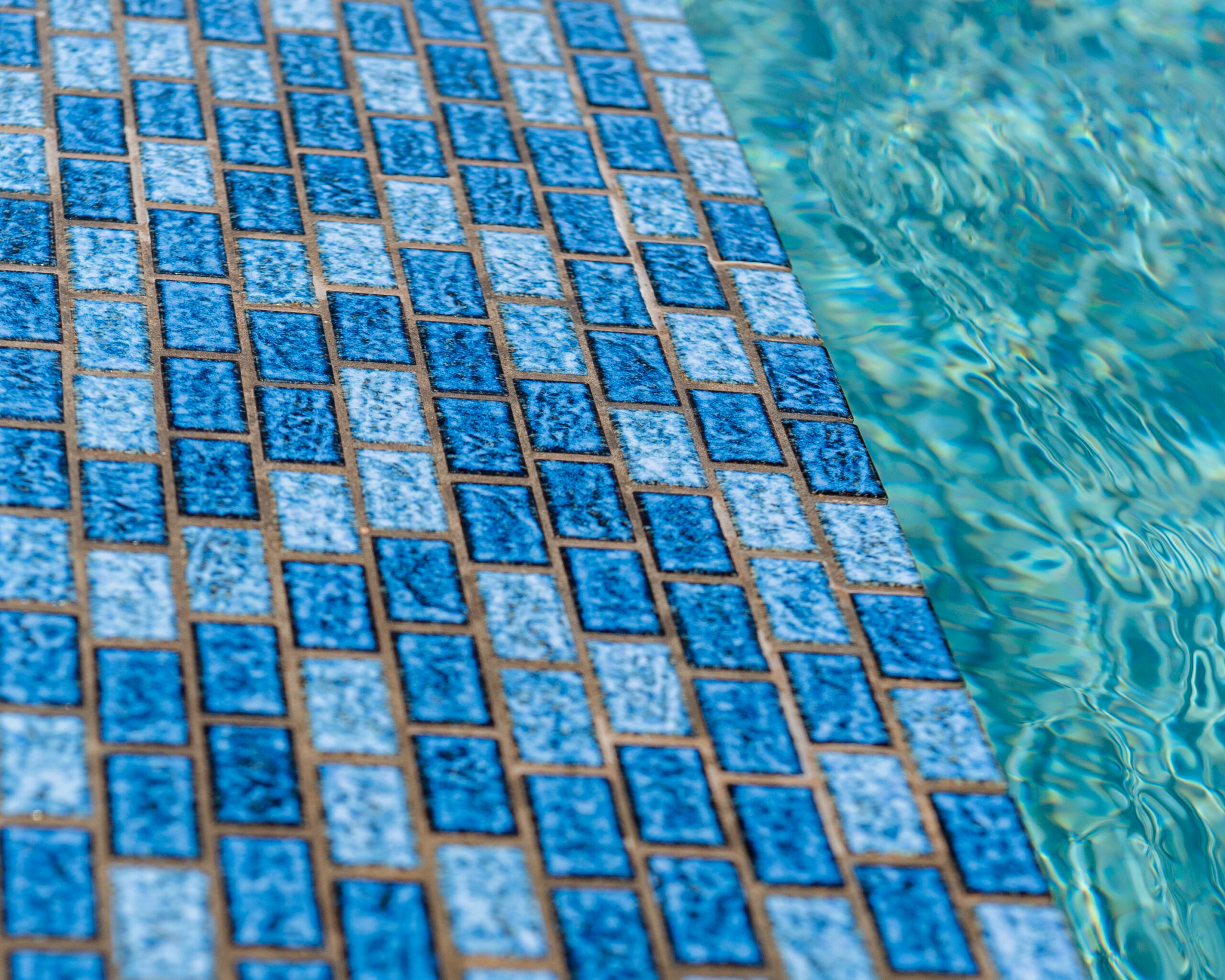
For a standard porcelain pool tile installation, cementitious grout can be a practical choice, especially when the project needs to stay within a tighter budget.
The tradeoff is maintenance. Cement grout can absorb more than epoxy, may be more vulnerable to staining, and can sometimes develop whitening, mineral bloom, or calcium-related discoloration. That does not mean it is a bad product. It simply means the homeowner should understand that cement grout may need more attention over time.
Best for:
Budget-conscious pool projects, porcelain tile, and installations where easier application is important.
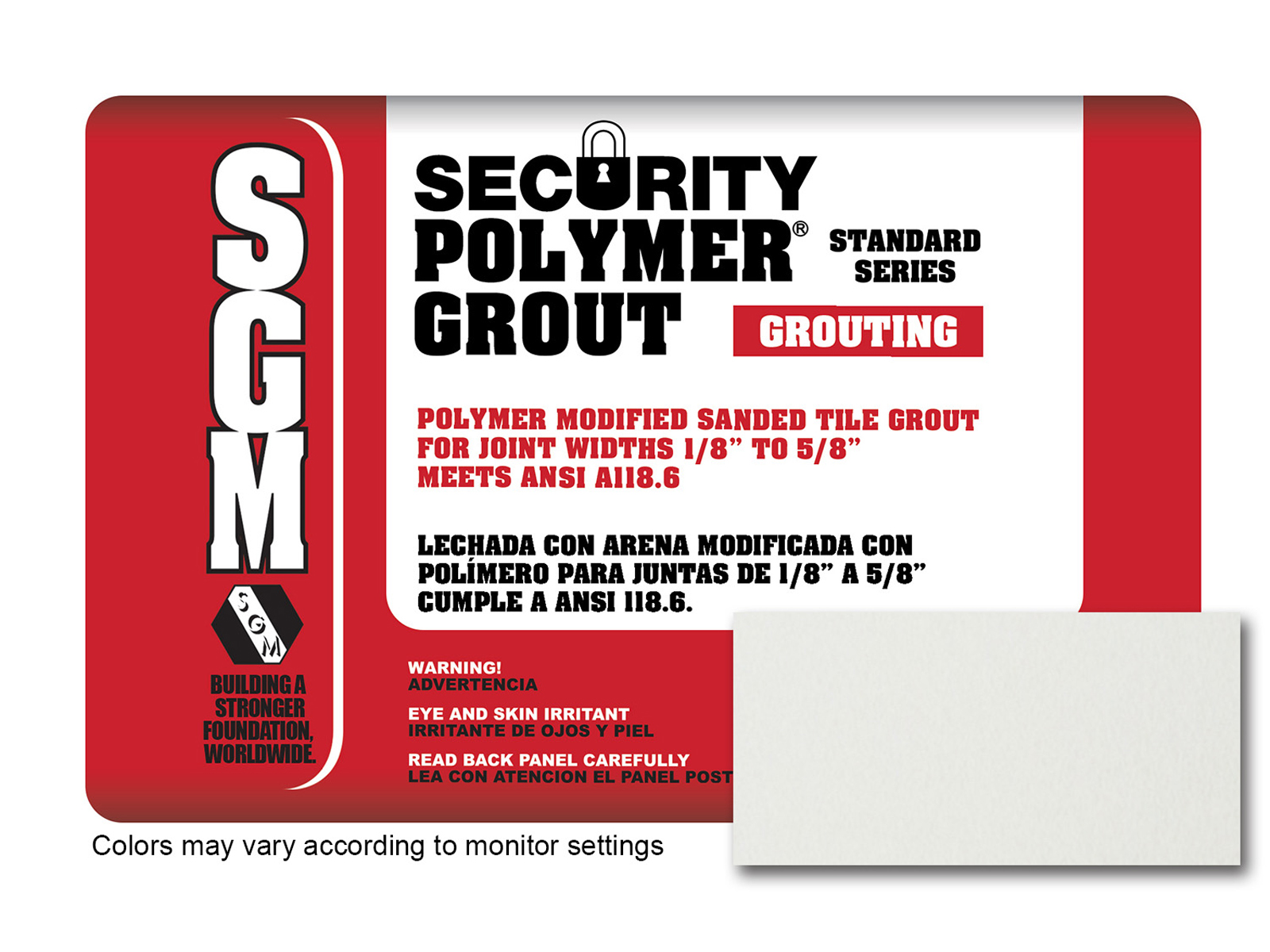
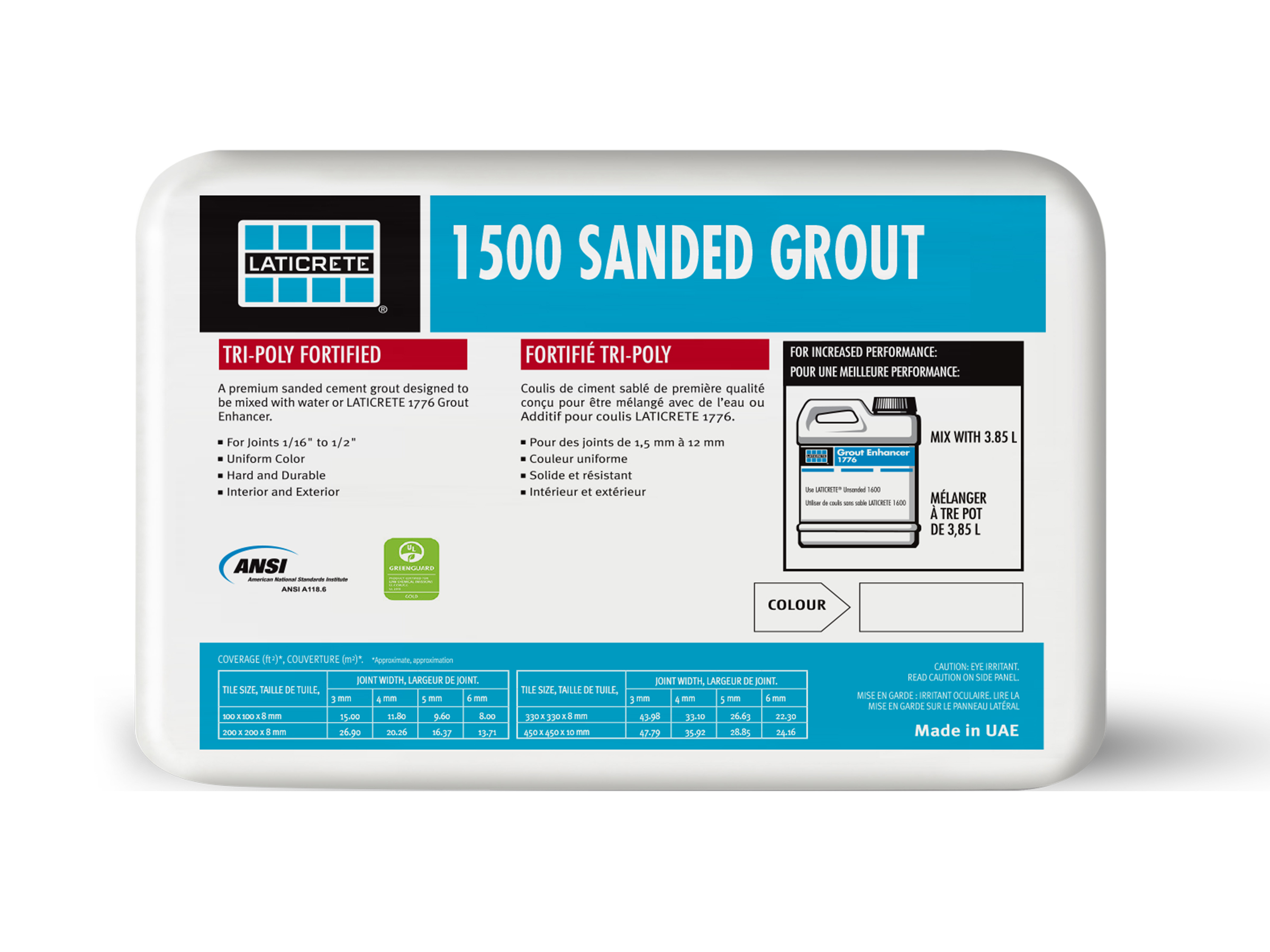
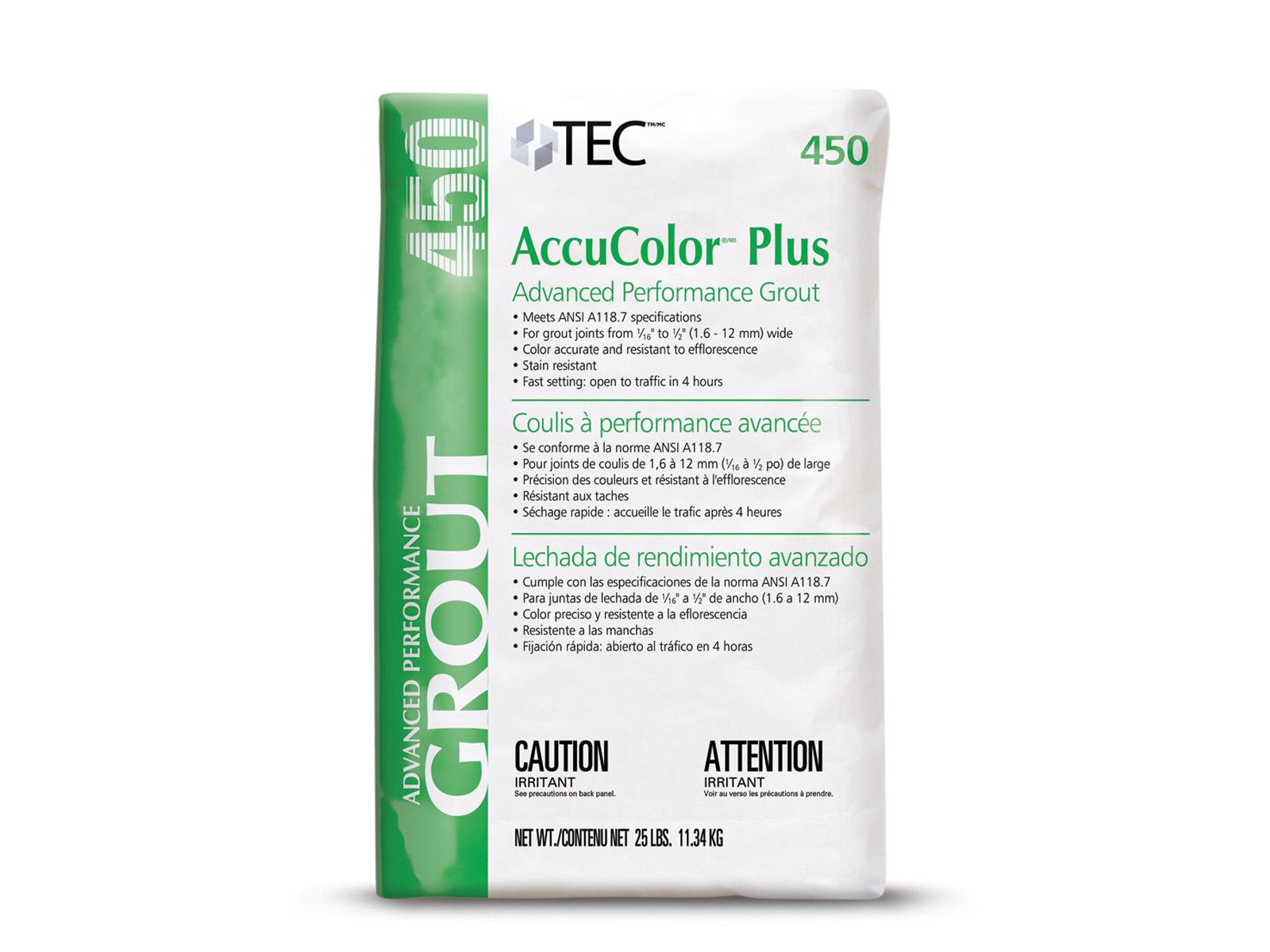
Option 2: High-Performance Cement Grout
High-performance cement grout is often the best middle ground.
It is still more installer-friendly than epoxy, but it is designed to perform better than standard cement grout. Many high-performance cement grouts offer improved color consistency, better strength, better stain resistance, and reduced efflorescence.
For many builders, this is the practical recommendation when the project needs a better grout but does not justify the cost or installation complexity of epoxy.
For homeowners, this option often makes sense when they want a durable pool installation without fully committing to a premium epoxy system.
Best for:
Projects where budget matters, but the homeowner still wants better long-term performance than standard cement grout.
Option 3: True Epoxy Grout
Epoxy grout is the premium option for pool installations.
It is highly resistant to stains, chemicals, and water absorption. It also offers excellent color consistency, which is especially important for dark grout, glass tile, and high-end pool designs.
This is why epoxy is often recommended for saltwater pools, glass tile pools, resorts, hotels, spas, and other high-use environments.
The main downside is installation. Epoxy is less forgiving than cement grout. It requires more experience, faster work, and careful cleanup. For that reason, it is usually better suited for professional installers who are comfortable working with epoxy systems.
For a homeowner building a “forever pool” or investing in a premium tile finish, epoxy is often worth the upgrade.
Best for:
Glass tile, saltwater pools, dark grout colors, luxury pools, resorts, spas, and projects where low maintenance is a priority.
Option 4: Pool-Rated Pre-Mixed Grout
Pre-mixed grout can be attractive because it is convenient and easier to use. For small areas, repairs, or certain premium installations, it may be a good option.
However, this category requires extra caution. Not every pre-mixed grout is approved for submerged pool use. Some are designed for showers, backsplashes, or areas that get wet but are not constantly underwater.
Before using any pre-mixed grout in a pool, confirm that the manufacturer specifically approves it for submerged applications.
Best for:
Small projects, repairs, convenience-focused installations, or DIY-friendly work — only when the product is clearly approved for pool use.
The “best” grout is not always the most expensive one. The best grout is the one that fits the pool, the tile, the installer, and the expectations for long-term maintenance.
Important Pool-Specific Considerations
- Saltwater Pools
Saltwater pools can be harder on grout over time. Salt systems, chlorine, water chemistry, and regular cleaning all create a more demanding environment.
For this reason, epoxy grout is usually the safer premium choice in saltwater pools. It provides stronger chemical resistance and lower absorption than traditional cement grout.
High-performance cement grout can still be a good option in many cases, but the product must be approved for submerged use and installed correctly.
- Glass Tile Pools
Glass tile pools are beautiful, but they require extra care during installation.
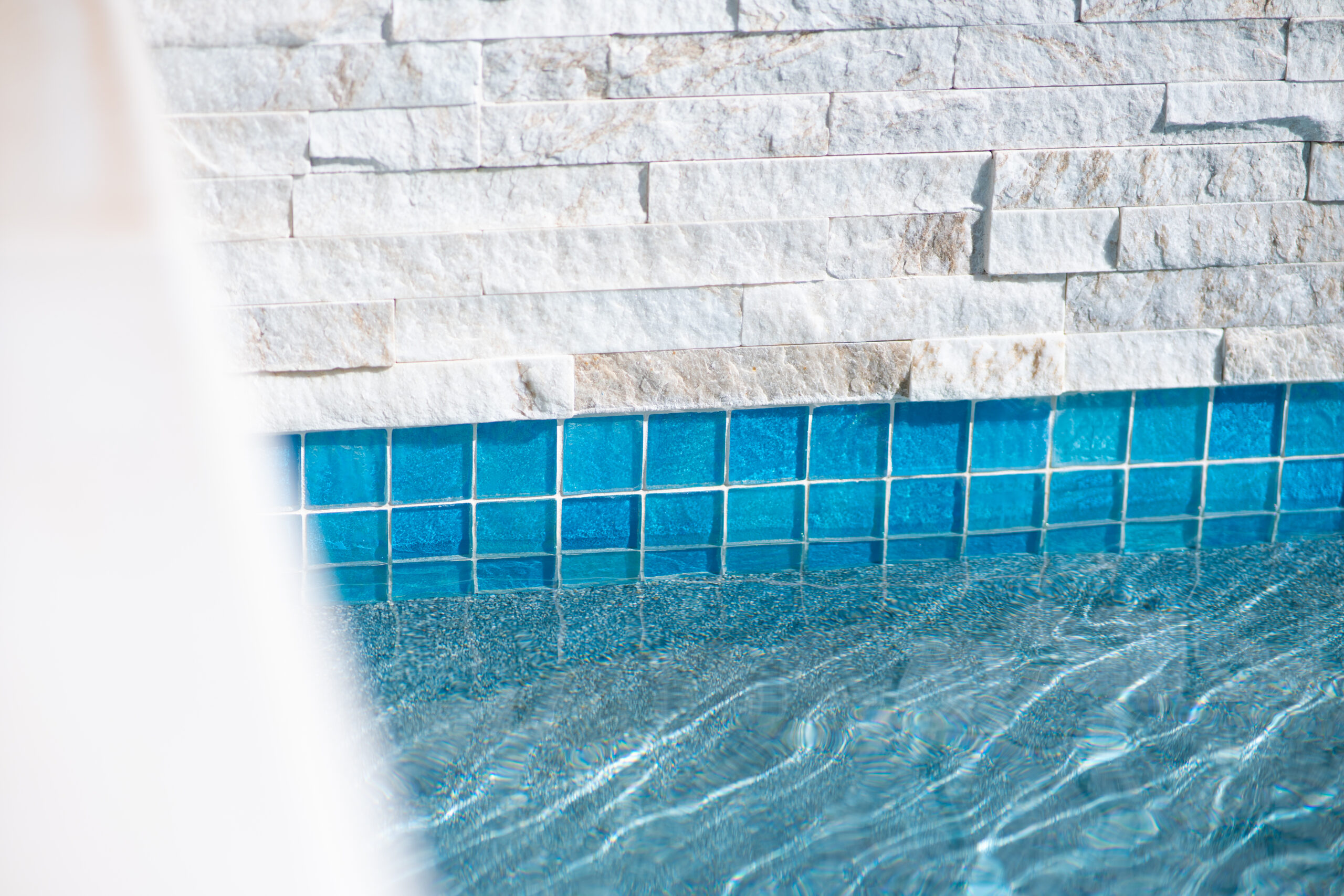
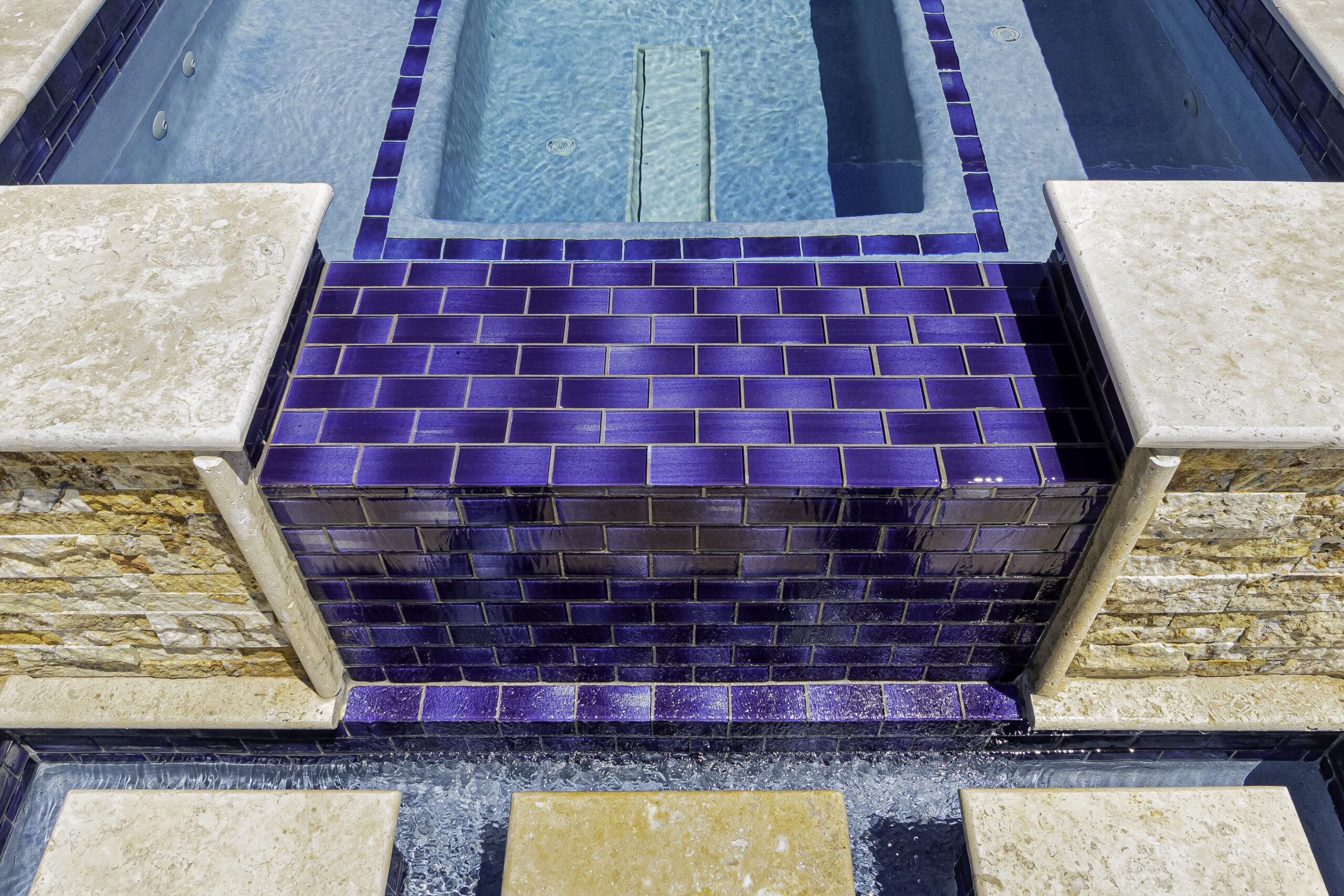
Because glass tile can be translucent or reflective, grout color consistency becomes more important. Shading, discoloration, or installation issues can be more visible than they would be with porcelain or ceramic tile.
Epoxy grout is often preferred for glass tile because it resists water absorption, maintains color, and performs well in submerged environments. However, installers should always check both the tile manufacturer and grout manufacturer recommendations before making the final decision.
- Movement, Cracking, and Installation Failures
Not every grout problem is caused by the grout itself.
In many pool projects, grout failure is connected to installation or structural issues, such as:
- Poor waterproofing
- Missing movement joints
- Pool shell movement
- Incorrect cure timing
- Poor water ratios
- Improper cleaning or maintenance
- Using a product not approved for submerged use
This is especially important for builders and installers. Even the best grout will not solve problems caused by poor preparation, missing movement joints, or improper installation.
- Efflorescence and Mineral Discoloration
Cement-based grout can sometimes develop whitening, mineral bloom, or calcium-related discoloration. This is often called efflorescence.
High-performance cement grout is designed to reduce this risk, while epoxy grout avoids many of the traditional cement-related efflorescence concerns.
For homeowners, this is one of the biggest visual differences over time. If the goal is to keep the grout color as consistent as possible with the least maintenance, epoxy has the advantage.

Quick Recommendation by Project Type
- For a standard backyard pool: Use cementitious grout or high-performance cement grout, depending on the budget and desired durability.
- For a better long-term installation: Use high-performance cement grout. It gives a strong balance of performance, cost, and ease of installation.
- For a high-end or forever pool: Use true epoxy grout. It offers the best stain and chemical resistance, as well as color consistency.
- For glass tile pools: Use epoxy grout whenever possible, especially for premium or highly visible installations.
- For saltwater pools: Use epoxy grout for the best long-term resistance to salt and pool chemicals.
- For DIY or small repairs: Use cement grout or a pool-rated pre-mixed grout, but only if the product is approved for submerged use.
Final Conclusion
There is no single grout that is perfect for every pool. The right choice depends on the tile, the pool type, the budget, and the level of maintenance the homeowner is willing to accept.
- Good installation: Standard cement grout is approved for use in submerged pools.
- Better installation: High-performance cement grout.
- Best installation: True epoxy grout.
- Convenience option: Pool-rated pre-mixed grout, only when approved for submerged use.
For most pool projects, high-performance cement grout offers the best balance between cost and performance. For glass tile, saltwater pools, resorts, or luxury installations, epoxy grout is the stronger long-term choice.
At the end of the day, grout is not just a filler between tiles. In a pool, it is part of the system that protects the installation, supports the design, and helps the finished pool stay beautiful for years.