Every backyard has a story, and the people who design them know their region best.
Here at Aquabella®, we created our California Design Report 2026 to listen to builders and designers, understand what they’re seeing in the field, and explore how those insights shape the materials and choices that bring outdoor spaces to life.
Their observations point to four distinct regional perspectives with some common ground: coordinated materials, easier upkeep, and backyards designed as complete environments. From quiet coastal retreats to warm desert settings, the details change, but the desire to make outdoor spaces more enjoyable carries across the state.
Come along as we explore what these conversations reveal about California’s evolving outdoor living market.

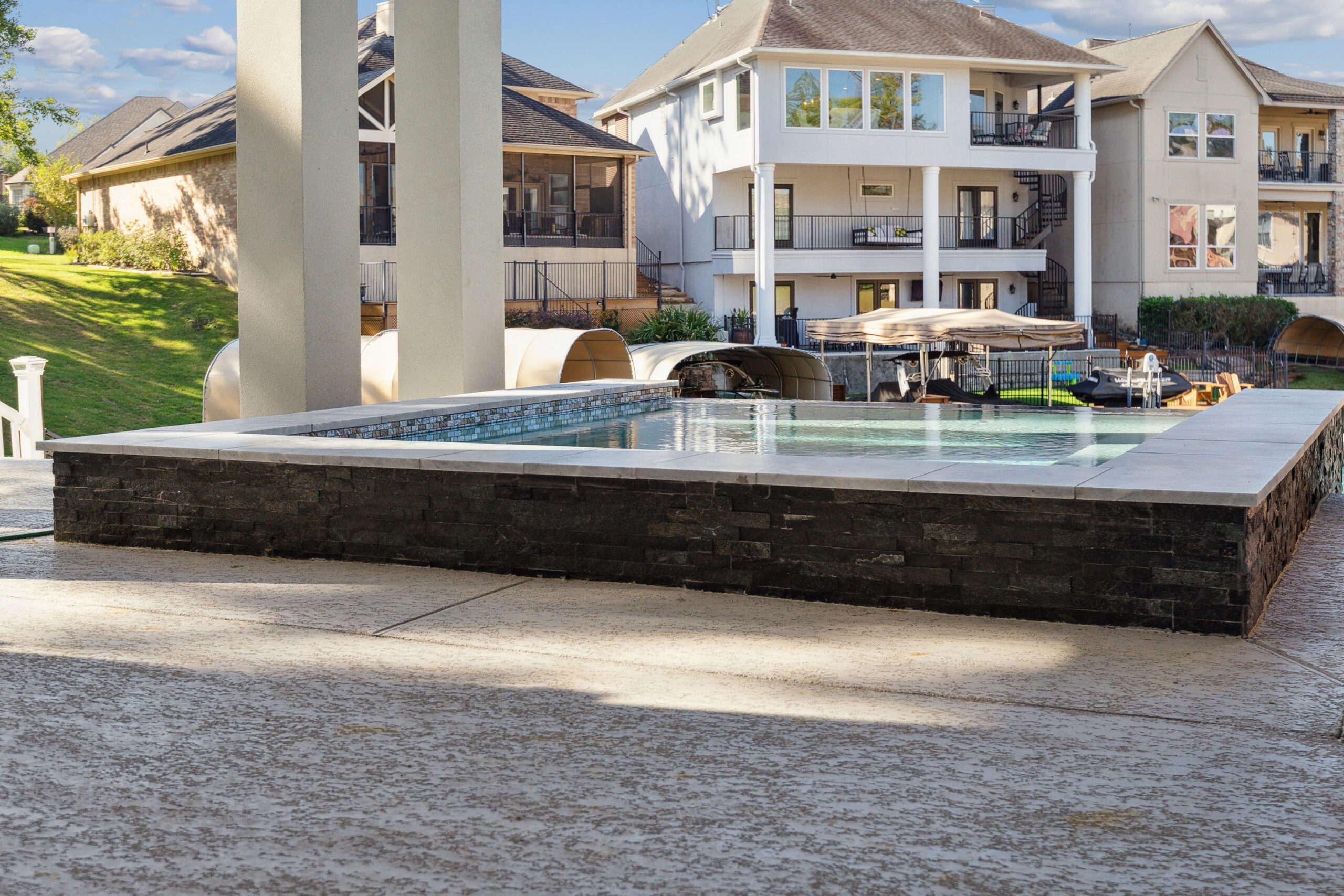
The Backyard Is Becoming a Complete Environment
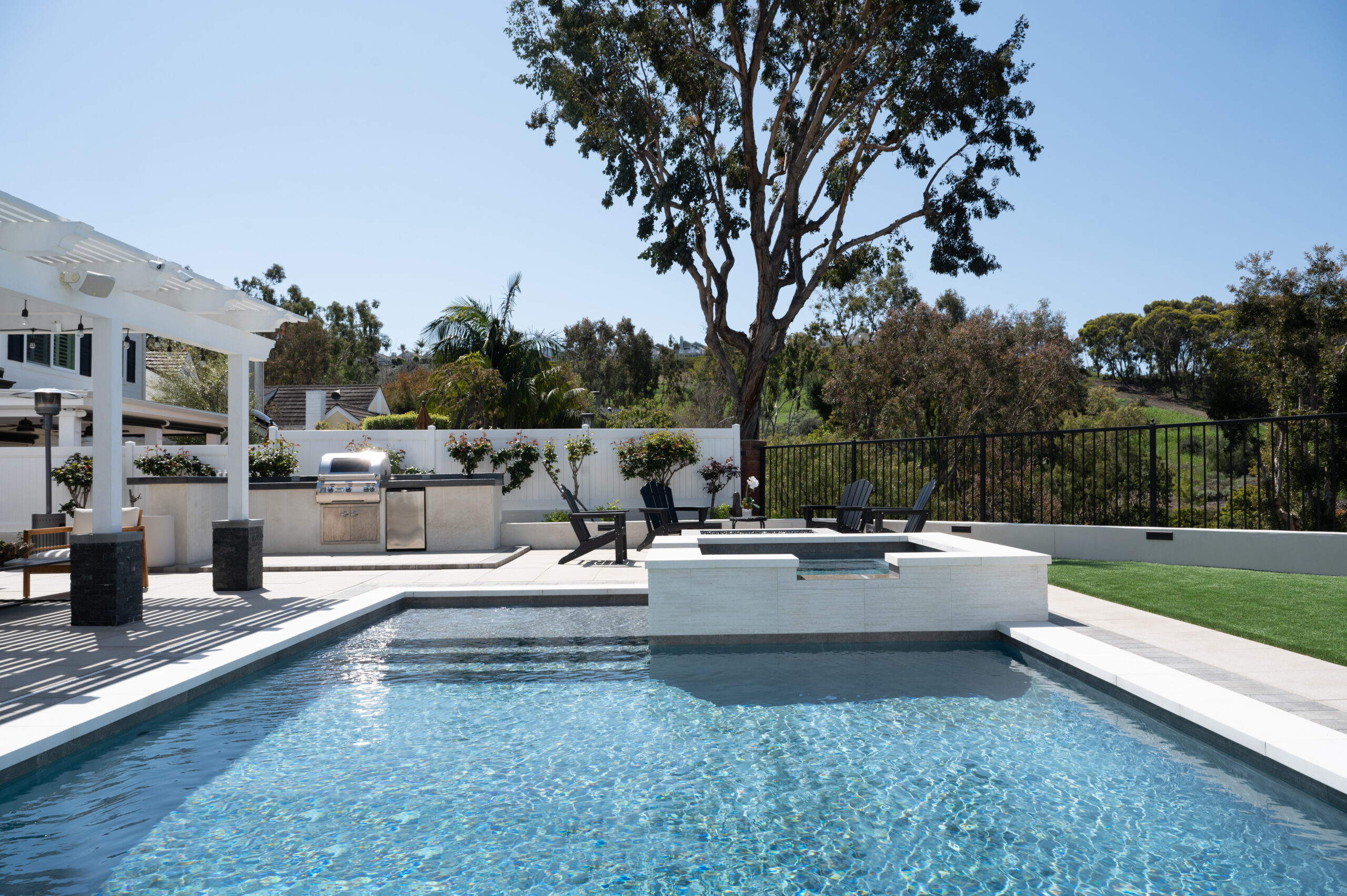
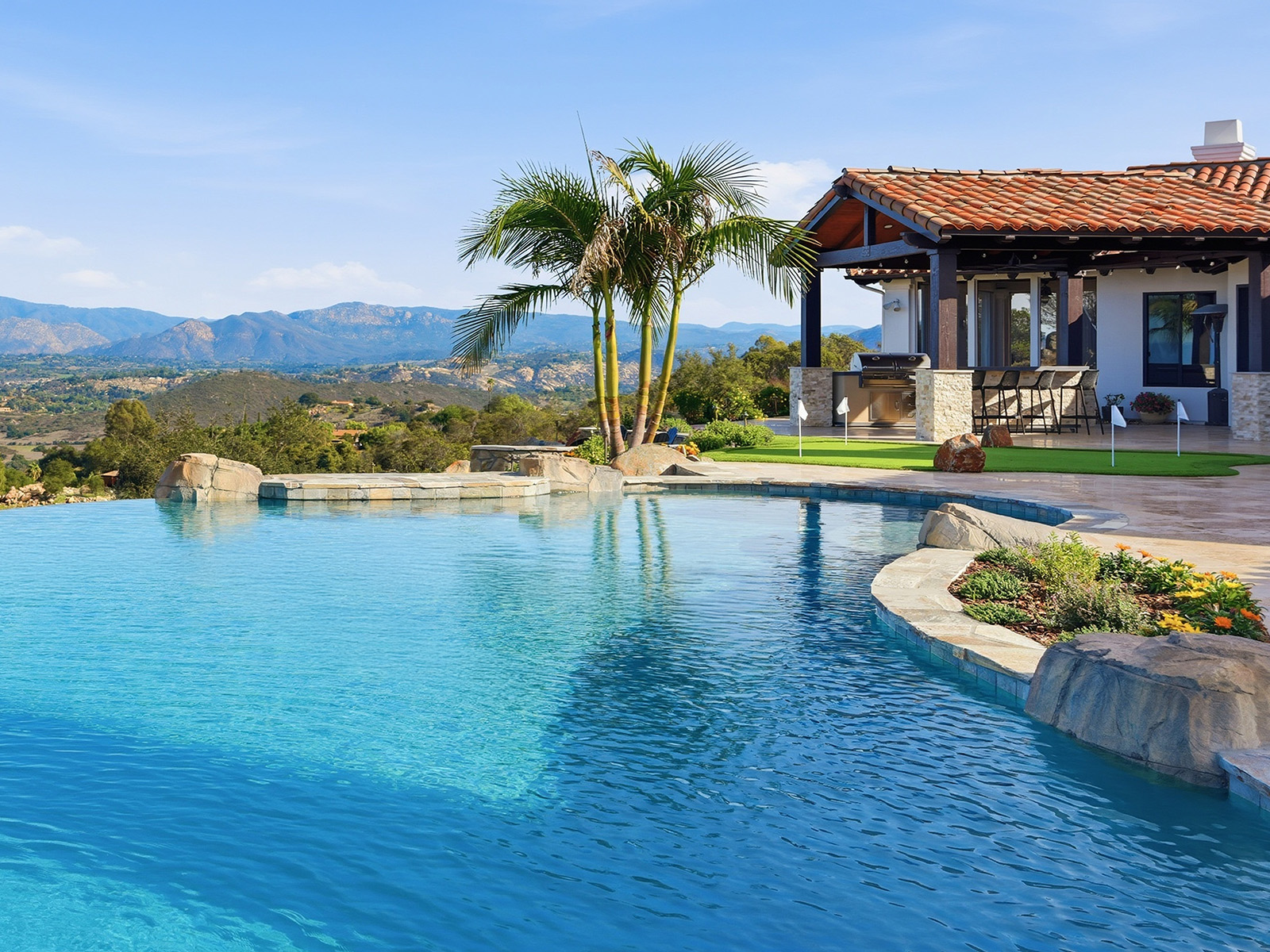
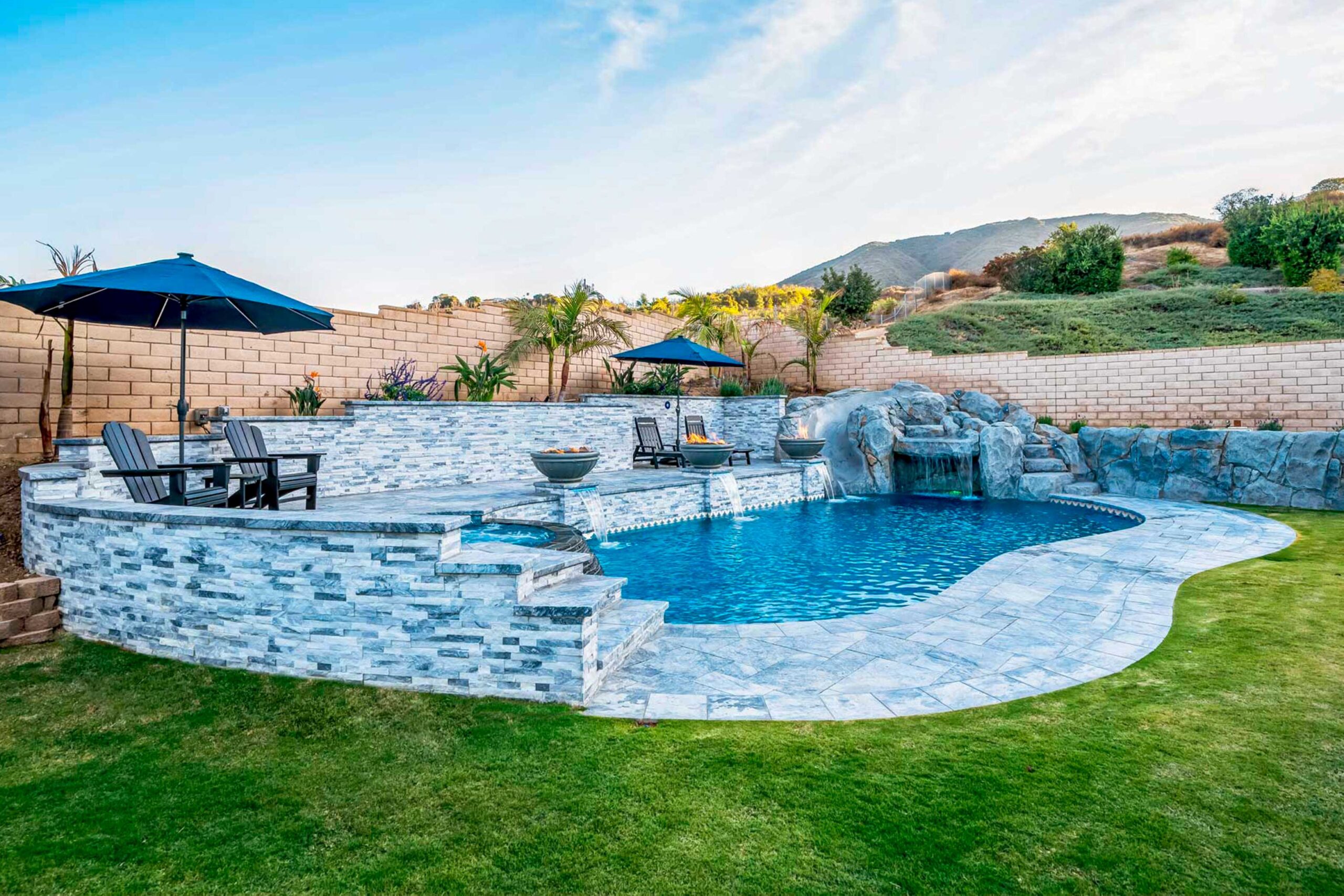
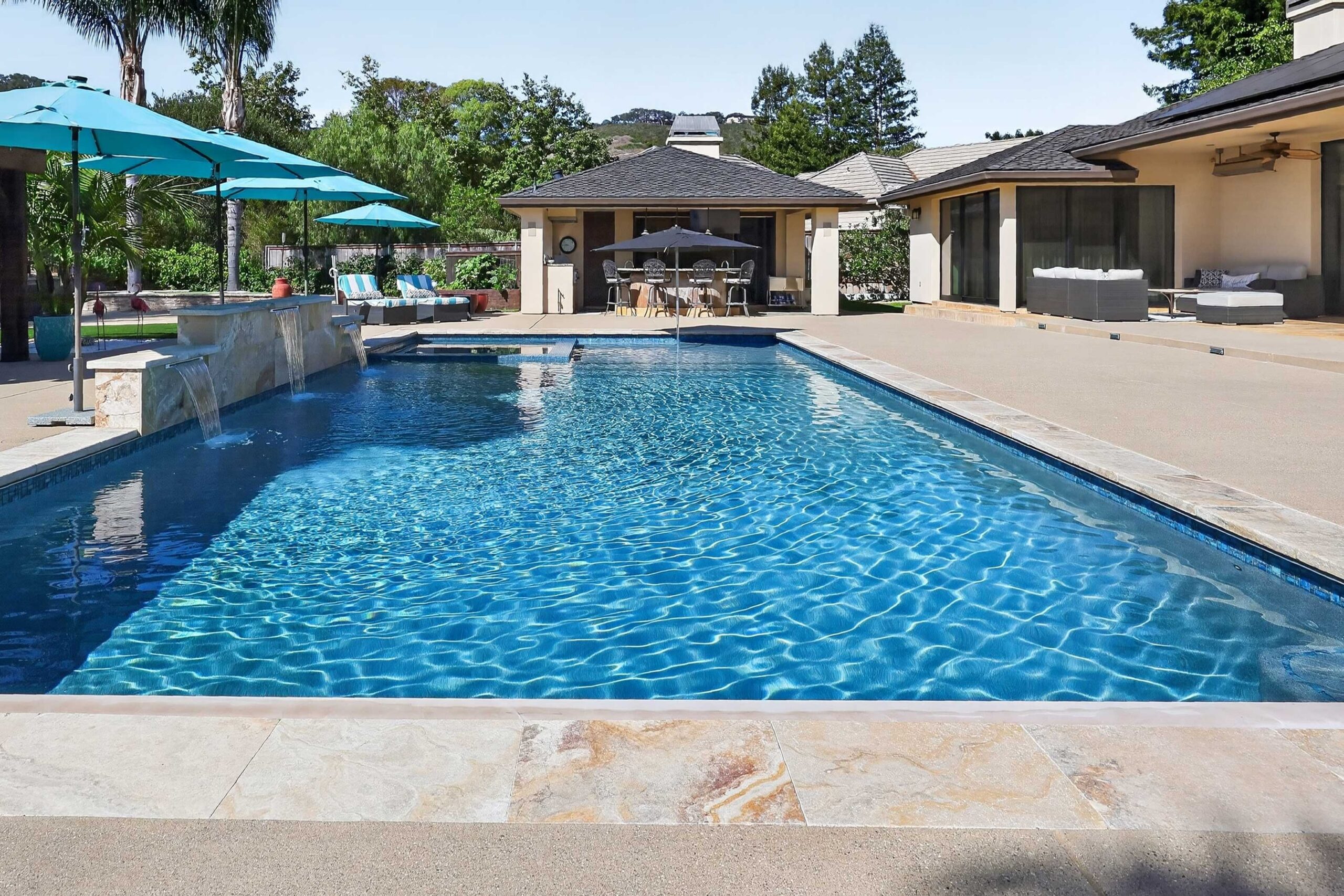
A lovely pool is only part of the picture. Homeowners are also thinking about where they’ll share a meal, find some shade, or settle in after a long day. The pool becomes part of a larger setting, with each area contributing to how the backyard feels and functions.
Seating, dining, landscaping, and quiet places to relax all play a role. Features such as outdoor kitchens, lighting, and fire pits bring more ways to enjoy the space throughout the day and into the evening.
National research offers useful context. The 2026 U.S. Houzz Outdoor Trends Study reports that 83% of renovated outdoor spaces include a lounge or seating area. While that study looks beyond California, it reinforces the importance of planning for the time people spend around the pool as well as in it.
Considering these elements together helps create a backyard where swimming, entertaining, and everyday relaxation feel like parts of the same design.
Existing Pools Offer Room for Renewal
Some of these opportunities begin with a pool that’s already there.
In coastal California, our research included conversations about homeowners who want to refresh a familiar space while preserving its character. In Greater Sacramento, aging pools and established homes also create opportunities for modernization.
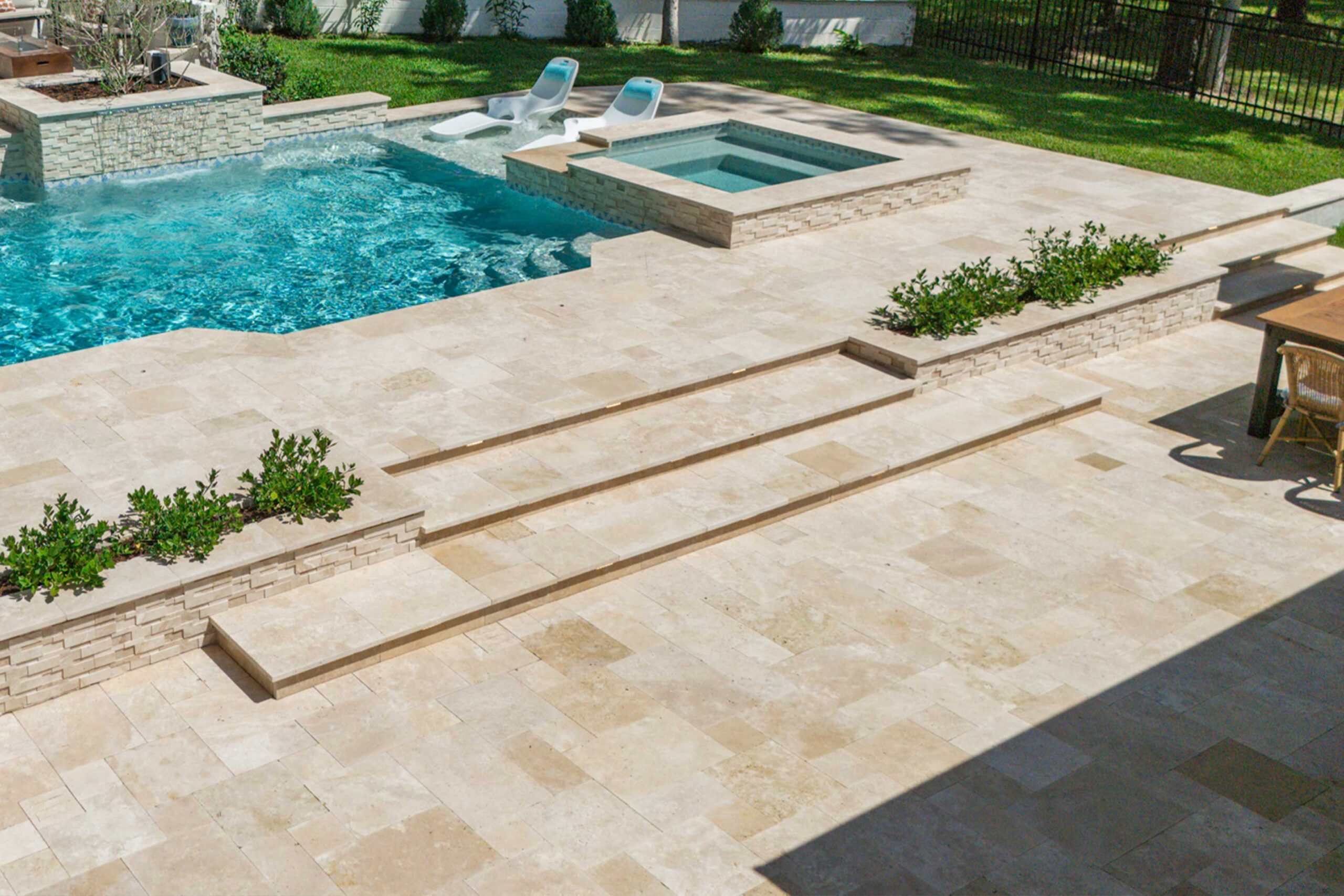
Reconsidering the waterline, coping, deck, and pool finish together can help reconnect an existing pool with the home and surrounding landscape. Even when the pool’s shape stays the same, a thoughtful material palette can give the whole setting a fresh identity.
California’s four design regions have distinct local preferences, but share an interest in connected surfaces, natural character, and outdoor spaces that are easier to live with.
Southern Coastal: Quiet Luxury and Compact Functionality
Southern Coastal California brings together several design expressions. In Orange County, the research points to restrained waterlines and outdoor spaces organized around entertaining, fire features, and barbecue areas. Farther up the Central Coast, warm stone references, quieter porcelain, and softer blue-green water help connect the backyard to the landscape.
Natural stone remains an important part of the coastal palette, including travertine, limestone, marble, and neutral mineral tones. These materials give designers room to introduce texture and variation while keeping the overall setting calm.
The report also notes a shift away from bright, decorative blue tile and busy combinations of surfaces. That doesn’t mean blue is disappearing: medium-blue pool water still holds appeal. The distinction is between the color of the water and the amount of pattern or contrast surrounding it.
Shaped glass can still provide an accent. Some builders raised questions about long-term maintenance and durability, making its use a topic of conversation specific to the product and project.

Los Angeles and Urban California: Architecture Leads
In Los Angeles, the backyard often takes its cue from the home.
Aquabella’s field research points to warm, structured designs that extend the architecture toward the water. Earthy stone looks, concrete-look porcelain, and elongated tile help establish that connection. Textured mineral surfaces and fire features add interest while the overall palette stays restrained.
For an older property, that same approach offers a useful starting point for a remodel. Choosing the waterline, coping, deck, and finish in relation to the house can help an updated pool feel like it belongs.
The result is a backyard that carries the home’s character outdoors, with room for its own personality.
Desert and Inland California: Light, Warm Color
Inland design is moving toward lighter, smoother surfaces, but the conversations describe more than an all-white palette. White and cream provide a foundation, while teal, light blue, and earthy bronze bring color and warmth.
There’s a similar balance between familiar and newer tile formats. The classic 6-by-6 tile remains relevant, even as builders express interest in longer options such as 2-by-18 and 6-by-18.
In remodels, larger formats can reduce the number of grout joints, making upkeep part of the design conversation alongside appearance.
Practical considerations also influence the final selection. The report notes that local stock and lead times can affect customers’ choices. A material needs to fit both the homeowner’s vision and the project’s timeline.
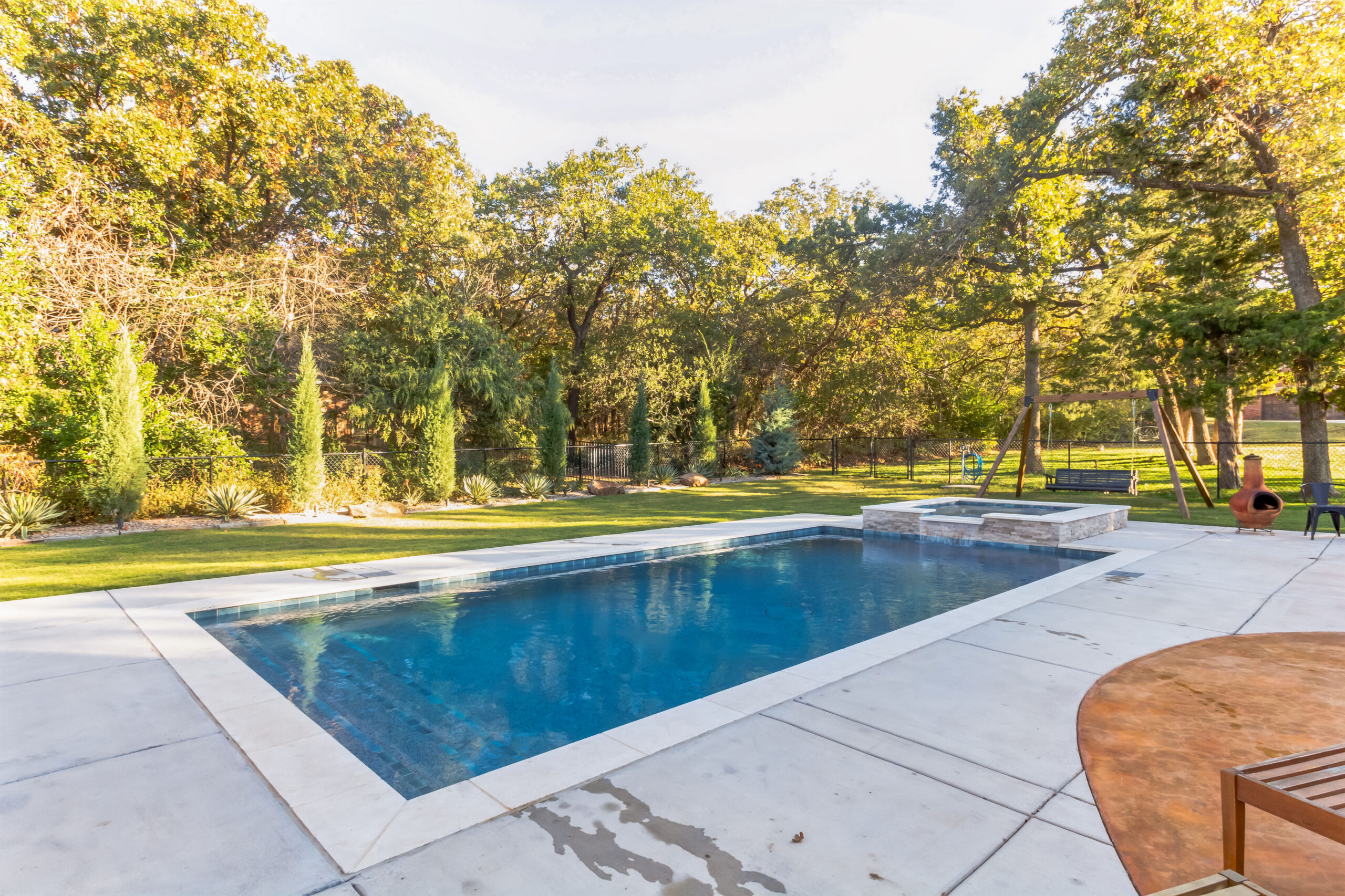
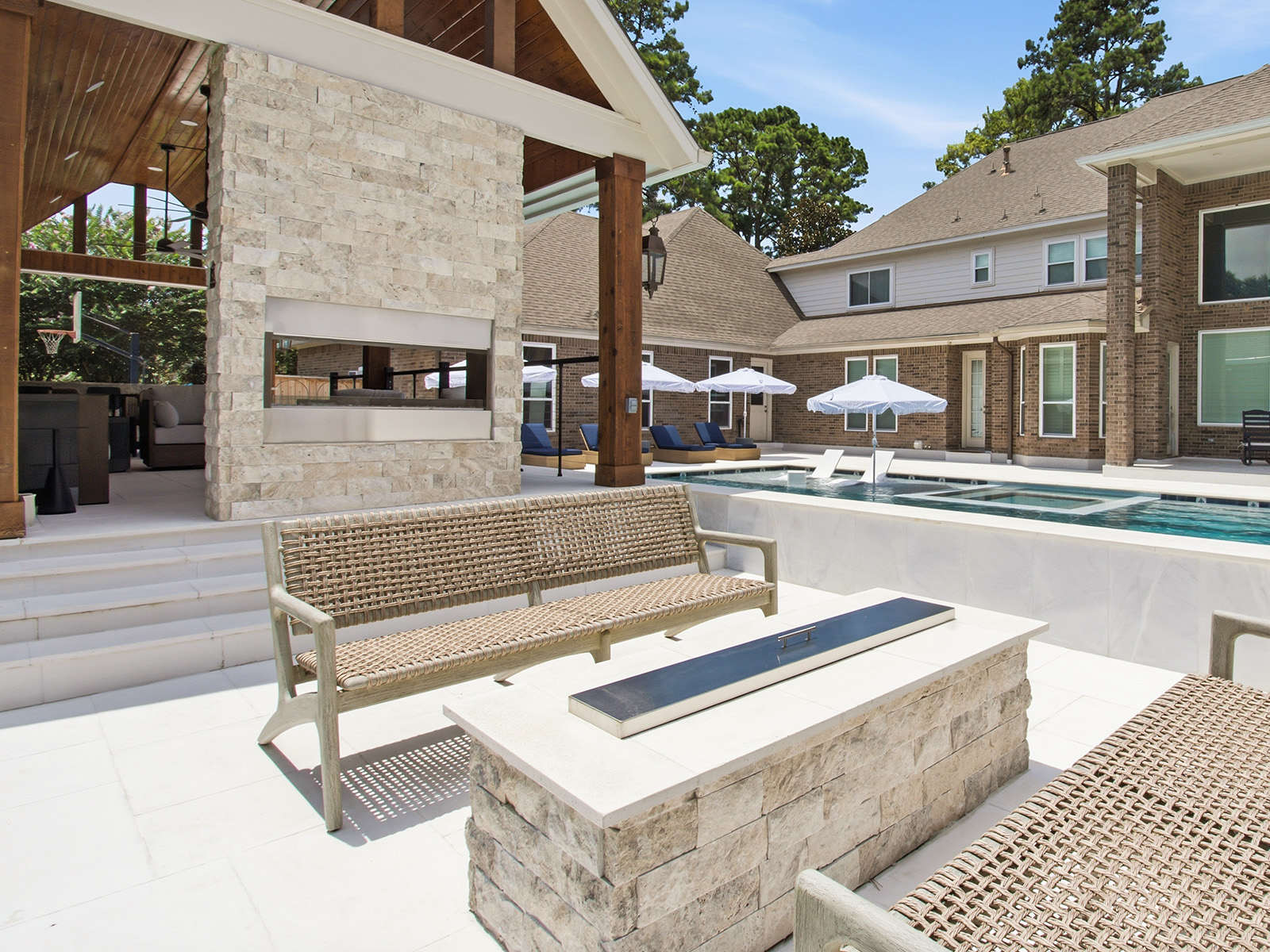
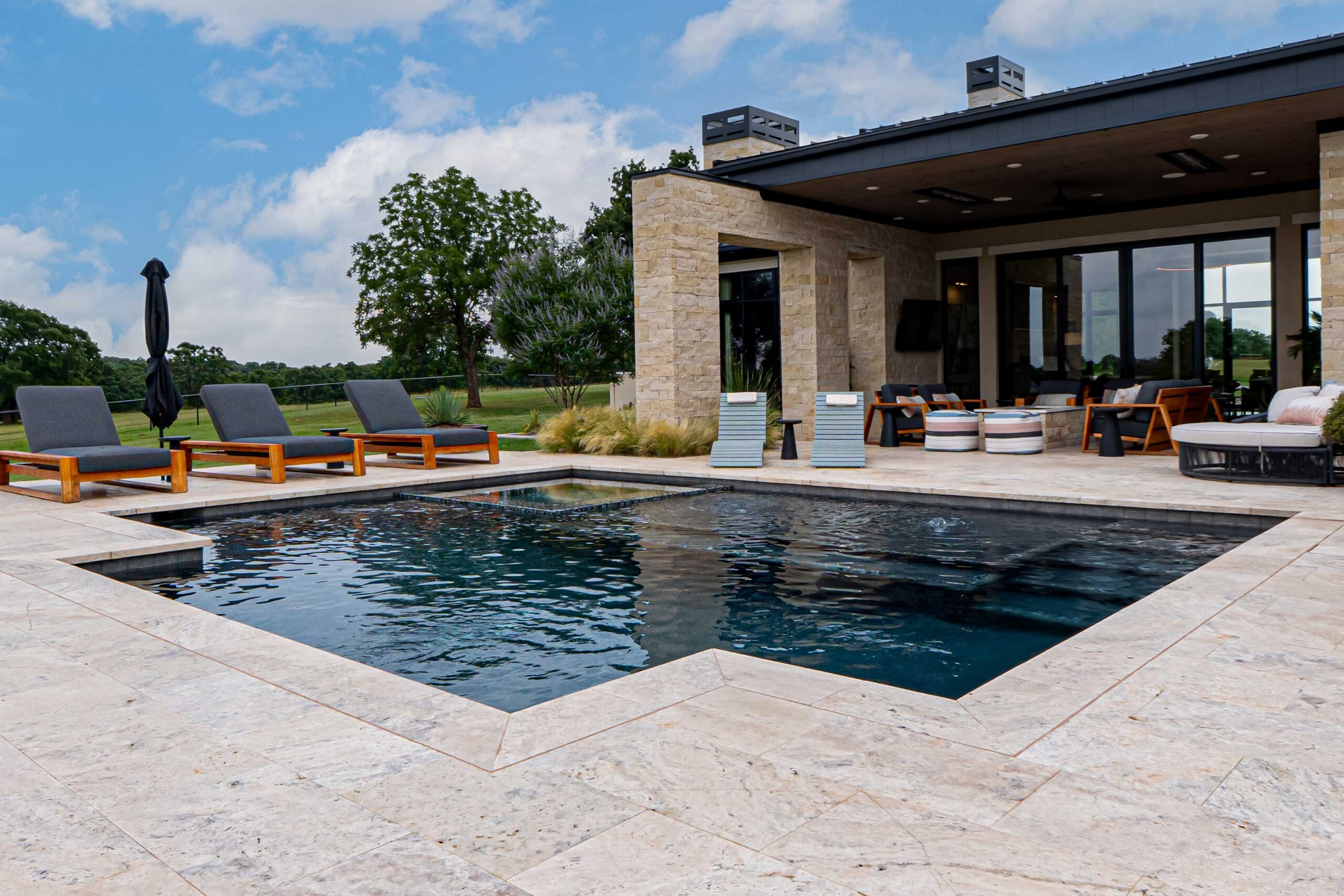

Northern California: Scale and Local Character
Northern California shows how much design can vary within a single region.
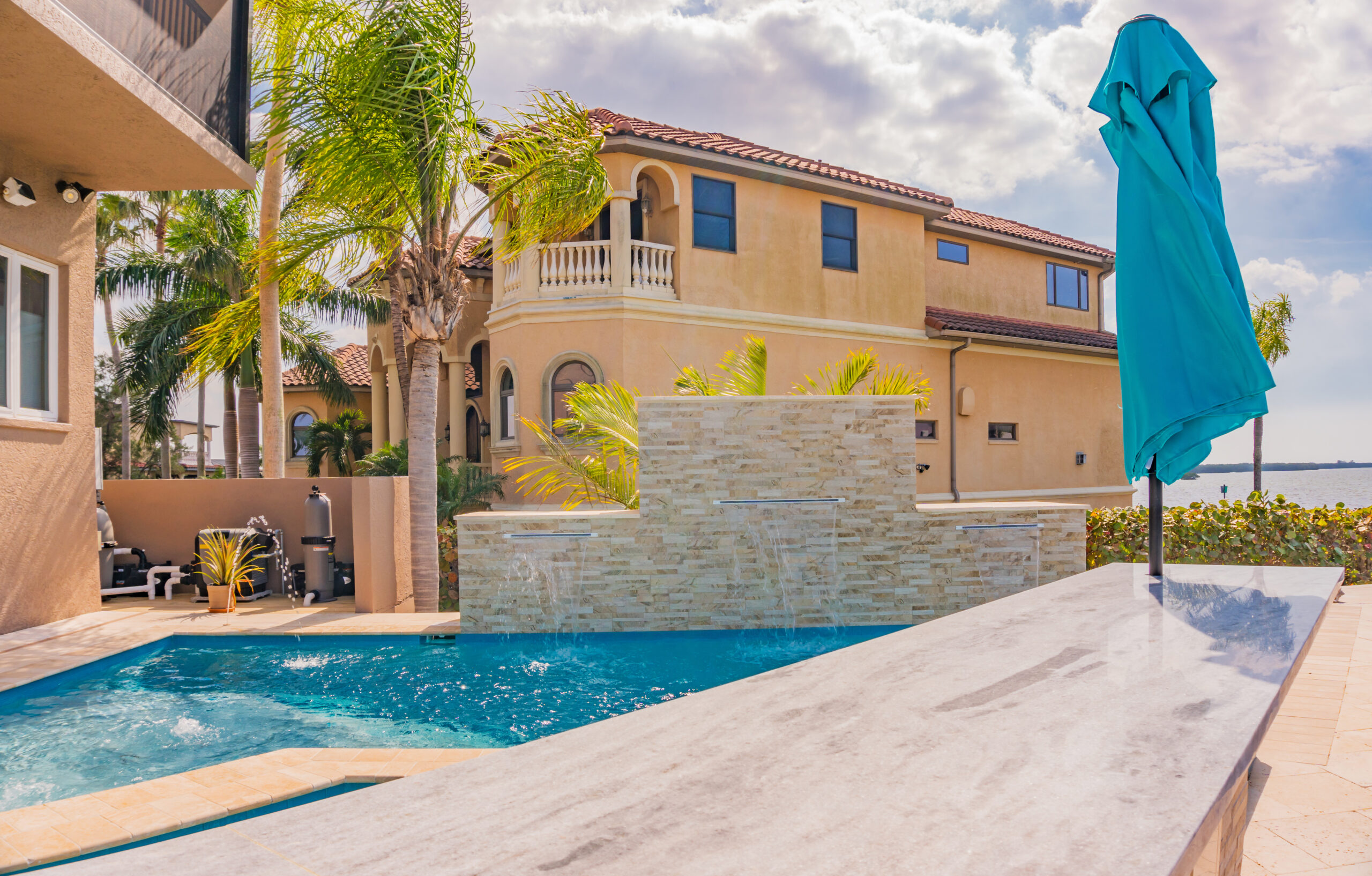
Conversations in Greater Sacramento favor geometry and straight lines. Input from Placer County and Sierra-influenced areas points toward more organic forms, including freeform pools and waterfalls. Bay Area observations suggest Classic Contemporary and resort-influenced design.
Across these differences, the research finds interest in cleaner surfaces, generous formats, natural character, and lower maintenance. Large-format sizes, including the 24-by-36 range, are appearing in higher-end projects.
These local preferences leave room for different interpretations of a welcoming backyard, from a structured patio to a pool that follows the surrounding landscape.
One Material Story Across the Pool
Across the regional findings, one idea keeps returning: the waterline, coping, deck, and pool finish deserve to be considered together.
Porcelain appears in several parts of that conversation, from elongated waterline tile to coping and decking, with stone-look and concrete-look surfaces offering different ways to connect the design. Natural stone remains important, especially in coastal settings and projects shaped by the landscape.
Coordination doesn’t require every surface to match. Similar undertones, complementary textures, or a carefully chosen accent can give each material its own role while helping the backyard feel complete.
California’s backyard styles vary by region, but the shared goal is clear: make the pool, patio, and outdoor spaces feel connected and easier to enjoy.
What California’s Regional Findings Reveal
California doesn’t have one backyard style to follow. Its coastal, urban, inland, and northern markets bring different priorities, shaped by local architecture, landscapes, and the people who live there.
For homeowners planning a new pool or refreshing an existing one, these findings offer a starting point. Think about how you want to use the space, how the materials relate to your home, and what level of upkeep fits your routine. Those conversations can help turn a collection of individual selections into a backyard that feels like your own.
Let’s Continue the Conversation at the PSP Expo
This week, we’re bringing that conversation to the PSP Expo in New Orleans. California’s regional preferences offer a starting point, and we’d love to hear what you’re seeing in your own market. Are homeowners asking for lighter palettes, simpler upkeep, or a backyard that brings everything together?
Stop by the Aquabella booth to meet our team, explore materials for your next project, and share the ideas shaping your work. Whether you’re planning a new pool or refreshing an existing space, let’s talk about how tile, coping, and decking can come together.
Explore the California Design Report 2026 before the show, then bring your questions and inspiration. We look forward to seeing you there!
About the Author
 Jonah Streadbeck
Jonah is part of the Marketing team at Aquabella and is currently studying marketing in college. His work focuses on product content, design inspiration, market research, and industry trends, helping showcase Aquabella products and the ideas shaping today’s pool and outdoor living spaces.