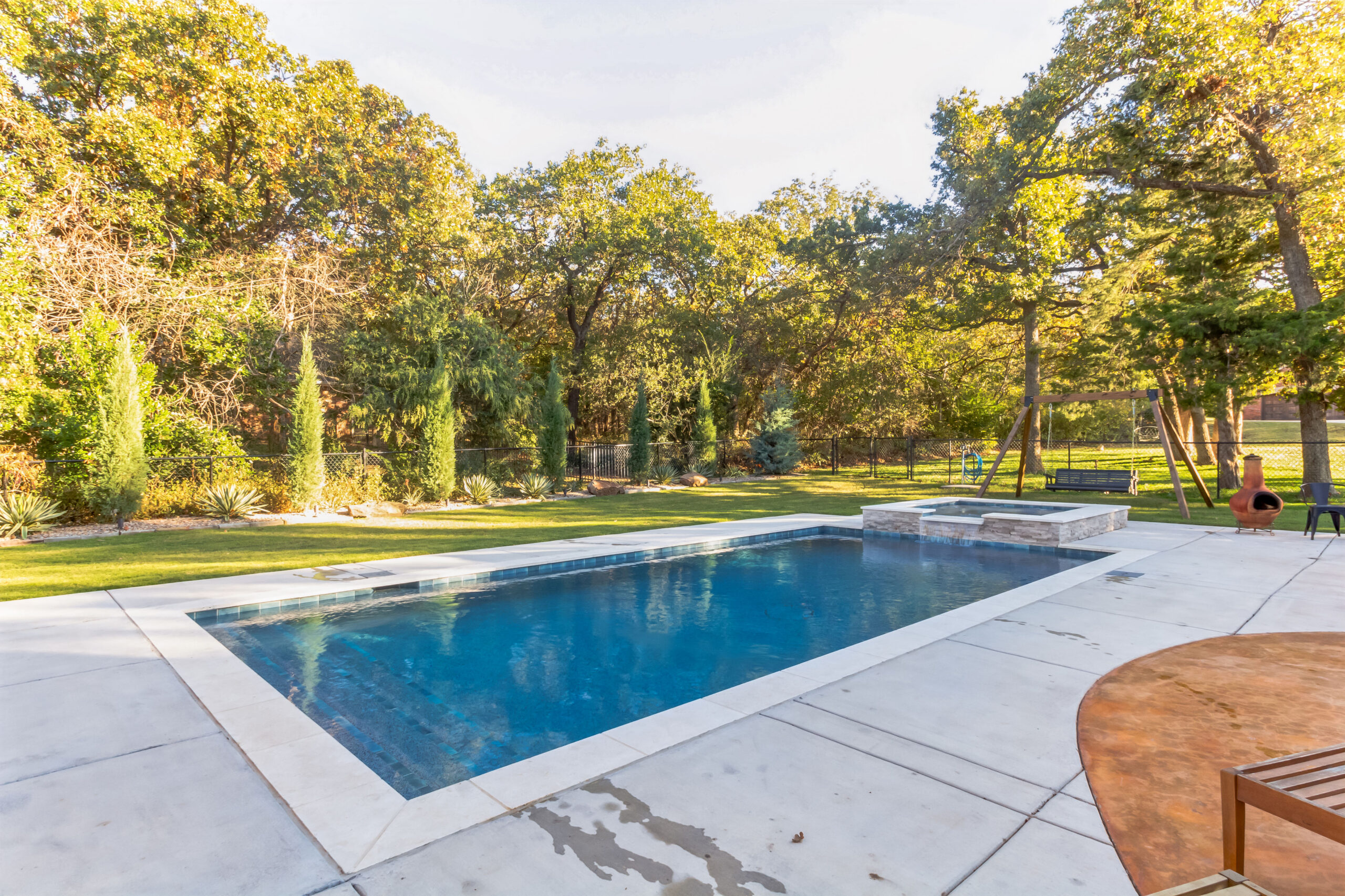
Choosing a pool deck in a hot climate is about more than picking the material that looks best in a showroom. Don’t make the mistake of choosing coping or pavers based solely on appearance, without considering how they’ll feel at 2 p.m. in July. In regions like Georgia, Florida, Texas, Phoenix, Las Vegas, California, and even Pennsylvania, a pool deck must stay comfortable under bare feet, provide traction when wet, handle intense sun exposure, and stand up to years of chlorine, salt, sunscreen, patio furniture, and daily foot traffic.
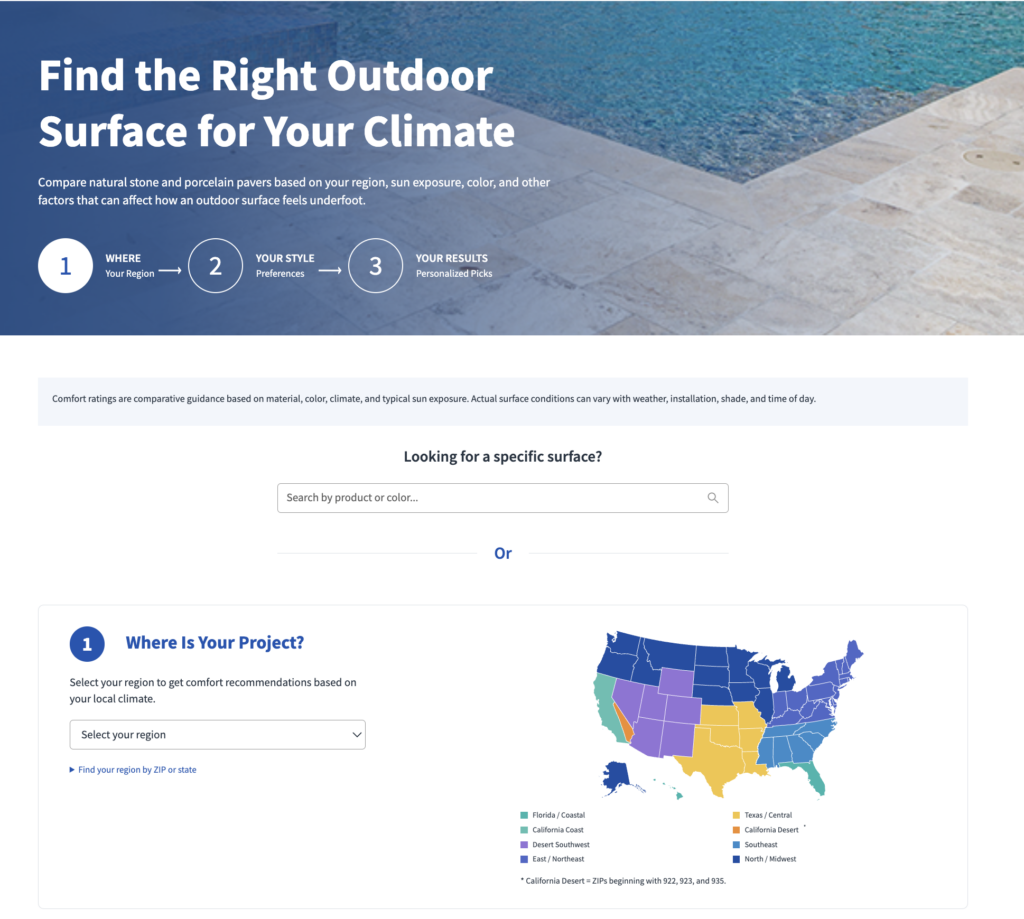
To help make these decisions easier, Aquabella® has introduced Surface Comfort Match, an interactive tool that helps homeowners, pool builders, and designers compare natural stone and porcelain pavers based on regional climate, sun exposure, color, and material characteristics.
The tool uses a five-level comfort scale to help identify surfaces that may feel cooler underfoot. Lighter tones generally reflect more sunlight; darker, denser surfaces tend to build up heat faster, and slip-resistant textures improve traction but do not necessarily prevent heat buildup.
What Makes a Pool Deck Comfortable in Hot Weather?
Surface temperature is influenced by more than just the material. According to the U.S. Environmental Protection Agency (EPA), the amount of solar energy a paved surface reflects or absorbs influences how hot it becomes. This explains why color, material composition, and sun exposure are so important when choosing a pool deck. A beautiful dark paver may look perfect in a showroom, but it behaves very differently after several hours of direct sunlight.
Homeowners should consider:
- Color & Tone: Dark surfaces absorb more heat. Light tones reflect more sunlight and generally stay more comfortable.
- Material Density: Dense stones (like Blue Stone or dark porcelain) can retain heat longer. Natural stones, like travertine and some limestones, may heat and cool differently depending on their composition.
- Texture & Finish: Smooth surfaces create more direct contact with the foot and may feel slicker when wet. Slight texture can improve grip, but it does not prevent heat buildup. The Tile Council of North America (TCNA) explains that slip resistance depends on several factors, including surface characteristics, moisture, drainage, and the area’s use. Comfort and slip resistance should always be evaluated separately.
- Sun Angle & Exposure: A paver that feels pleasant under a pergola may feel much hotter in a west-facing yard with no shade.
- Airflow & Moisture: Breezes can help cool surfaces. Splash zones may feel cooler but require slip-resistant finishes.
- How Your Family Uses the Pool: A pool used mostly by adults may have different deck needs than one with kids running from the shallow end to the tanning ledge all summer. Pets also matter. Paws can be more sensitive to heat than people realize.
A pool deck that feels comfortable in one region may feel much hotter in another. Aquabella’s new Surface Comfort Match helps you compare natural stone and porcelain pavers across eight climate regions.
Climate Regions & Surface Comfort
Aquabella’s Surface Comfort Match divides the country into eight climate regions, recognizing that the same material can feel very different depending on where it is installed.
- Florida / Coastal: Florida and Hawaii. Hot, humid conditions with strong sun exposure and long outdoor-use seasons.
- Texas / Central: Texas, Oklahoma, and surrounding south-central states. Strong sunlight and elevated ambient temperatures make lighter surfaces especially attractive.
- California Coast: Most locations in California are outside designated desert areas. Generally milder conditions, although inland areas can still experience significant summer heat.
- California Desert: Palm Springs, the Coachella Valley, Imperial Valley, and other designated California desert communities. Intense sun and high temperatures make surface comfort a major consideration.
- Desert Southwest: Arizona, Nevada, New Mexico, Utah, Colorado, and Wyoming. Intense sun exposure, dry conditions, and hot summers can make darker materials uncomfortable.
- Southeast: Georgia, Alabama, the Carolinas, and other states in the region. Warm, humid summers and extended periods of direct sunlight influence surface selection.
- East / Northeast: Pennsylvania, New York, New Jersey, and other Northeast, Mid-Atlantic, and Ohio Valley locations. Greater seasonal variation provides a broader range of comfort conditions.
- North / Midwest: Upper Midwest, Great Lakes, Northern Plains, Pacific Northwest, and Alaska. Cooler ambient temperatures generally help, although dark surfaces can still heat up during sunny summer days.
These regional differences matter. A stone that feels comfortable in Philadelphia or Sacramento may feel considerably warmer in Phoenix or Palm Springs. Research from the U.S. Environmental Protection Agency also shows that shade, moisture, solar reflectance, and the heat-retaining characteristics of outdoor materials all influence surface temperatures. Rather than treating the entire country the same, Aquabella’s Surface Comfort Match provides comparative ratings for eight climate regions, helping homeowners narrow down materials that may be better suited to their location.
Rather than treating the entire country the same, Surface Comfort Match adjusts its comparative ratings for each region.
Understanding the Five Surface Comfort Levels
Not every stone or porcelain paver falls into the same comfort category, and the rating may vary by location.
Surface Comfort Match uses five levels to help compare products:
5. Cooler-Running
Among the cooler-running options in the Aquabella collection. These surfaces are strong candidates for high-sun areas where barefoot comfort is a priority.
4. Comfortable
A strong barefoot-comfort choice for many pool applications. Direct sun and regional heat still matter, but these surfaces offer a favorable balance.
3. Moderate
A balanced option for many projects. Comfort may decrease with intense afternoon sun, so shade and exposure should be considered.
2. Warm Underfoot
These surfaces may feel noticeably warmer in direct sunlight. They are better suited to partial shade, reduced afternoon exposure, or projects where appearance is a greater priority.
1. High Heat Potential
Surfaces with the greatest relative potential for heat buildup. Best reserved for shaded areas, milder conditions, or projects where visual impact takes priority over barefoot comfort.
These are comparative comfort levels, not exact temperature measurements. A rating of 5 does not mean a surface will always remain cool or be safe to walk on barefoot during extreme heat.

Natural Stone: Comfortable Barefoot Options in Hot Climates
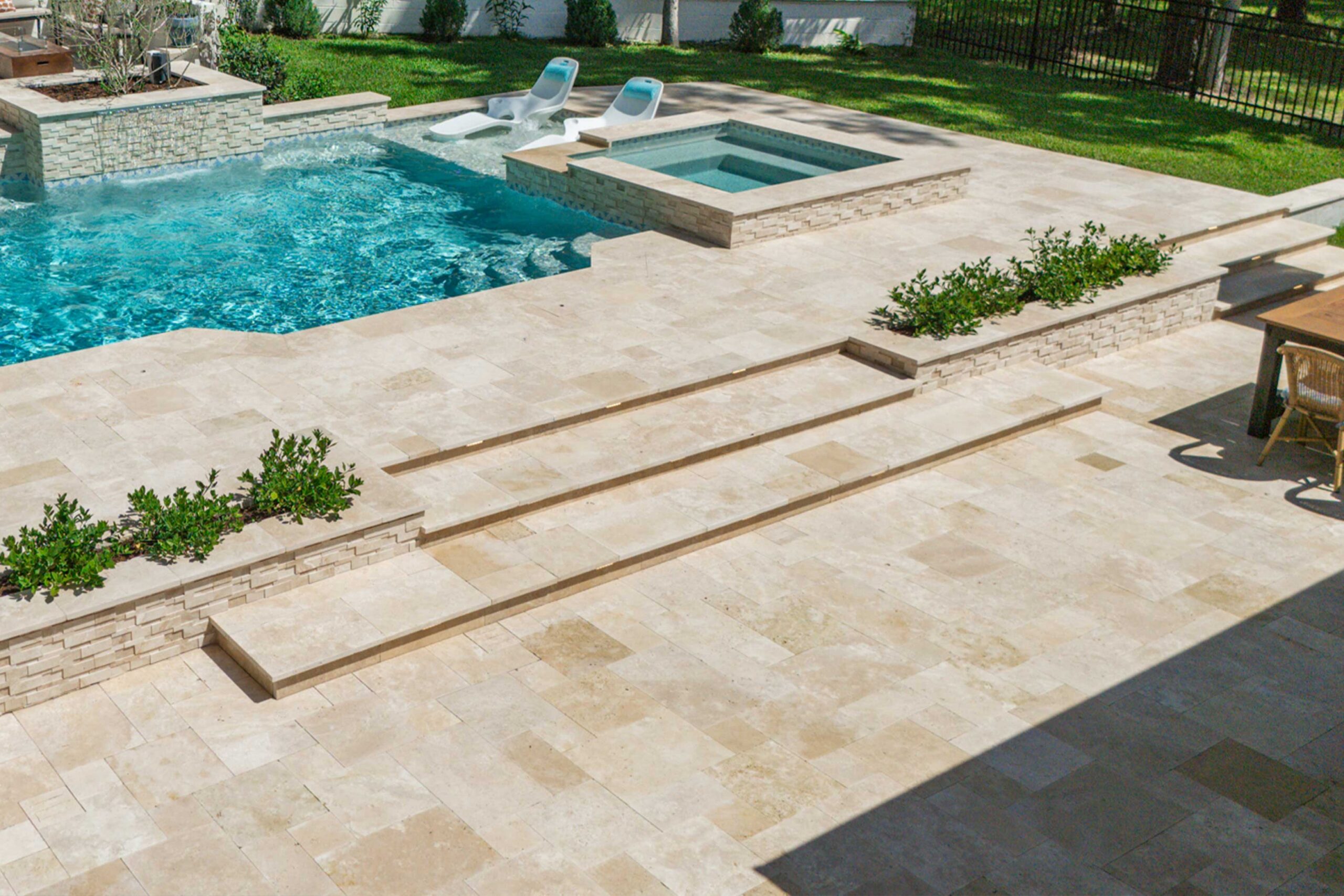
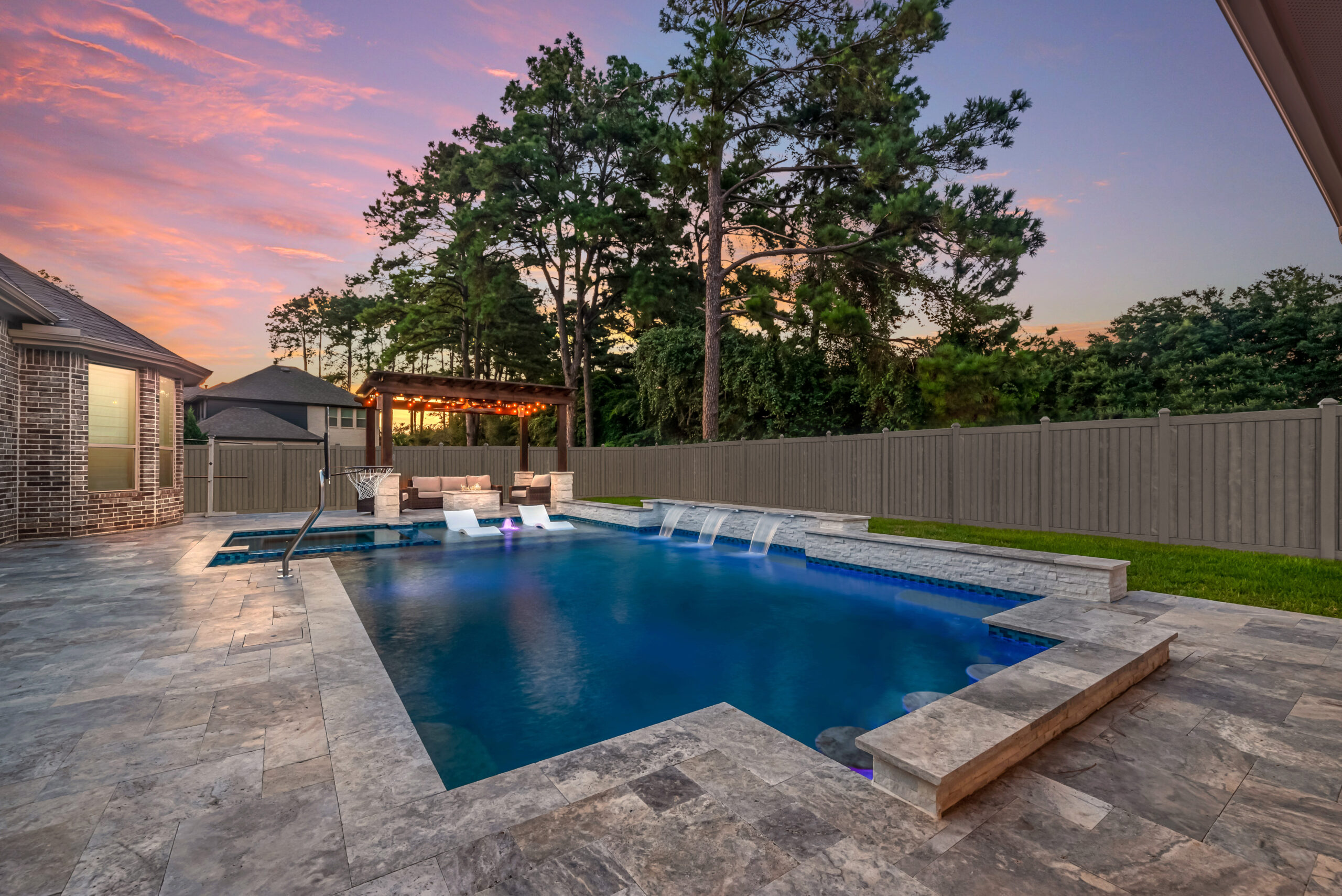
Natural stone remains one of the most barefoot-friendly choices because of its range of lighter tones, natural textures, and material characteristics. From travertine and limestone to darker, denser stones, each material brings something different to an outdoor project. Explore Aquabella’s hardscape collection to see available natural stone pavers and coping options. As the Natural Stone Institute explains, choosing the appropriate stone for an application also means considering its physical properties and relevant testing requirements, not just its appearance.
Aquabella’s Surface Comfort Match identifies several strong options, although their ratings change by region.
Lighter Natural Stones (Strong Candidates for Hot Climates)
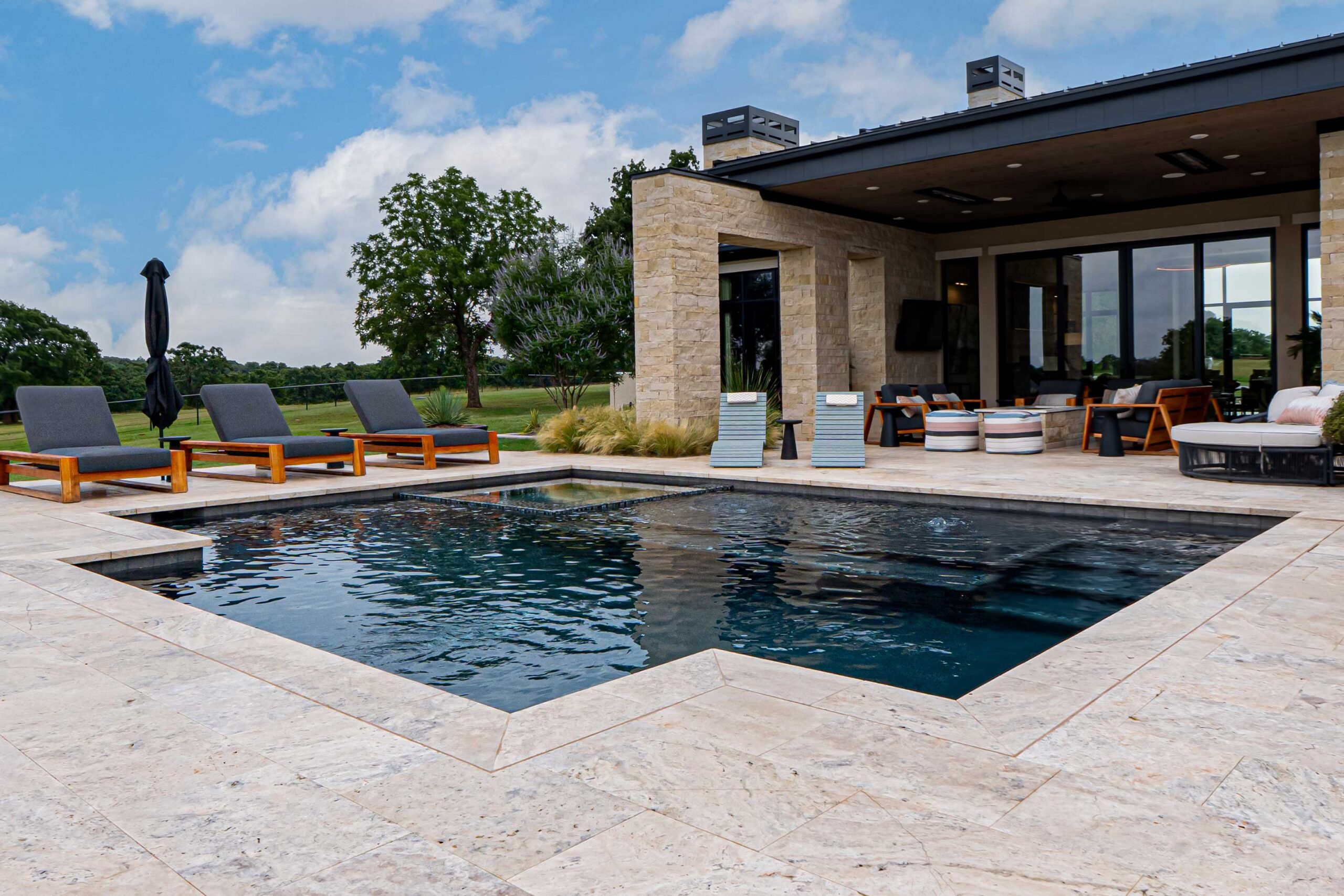
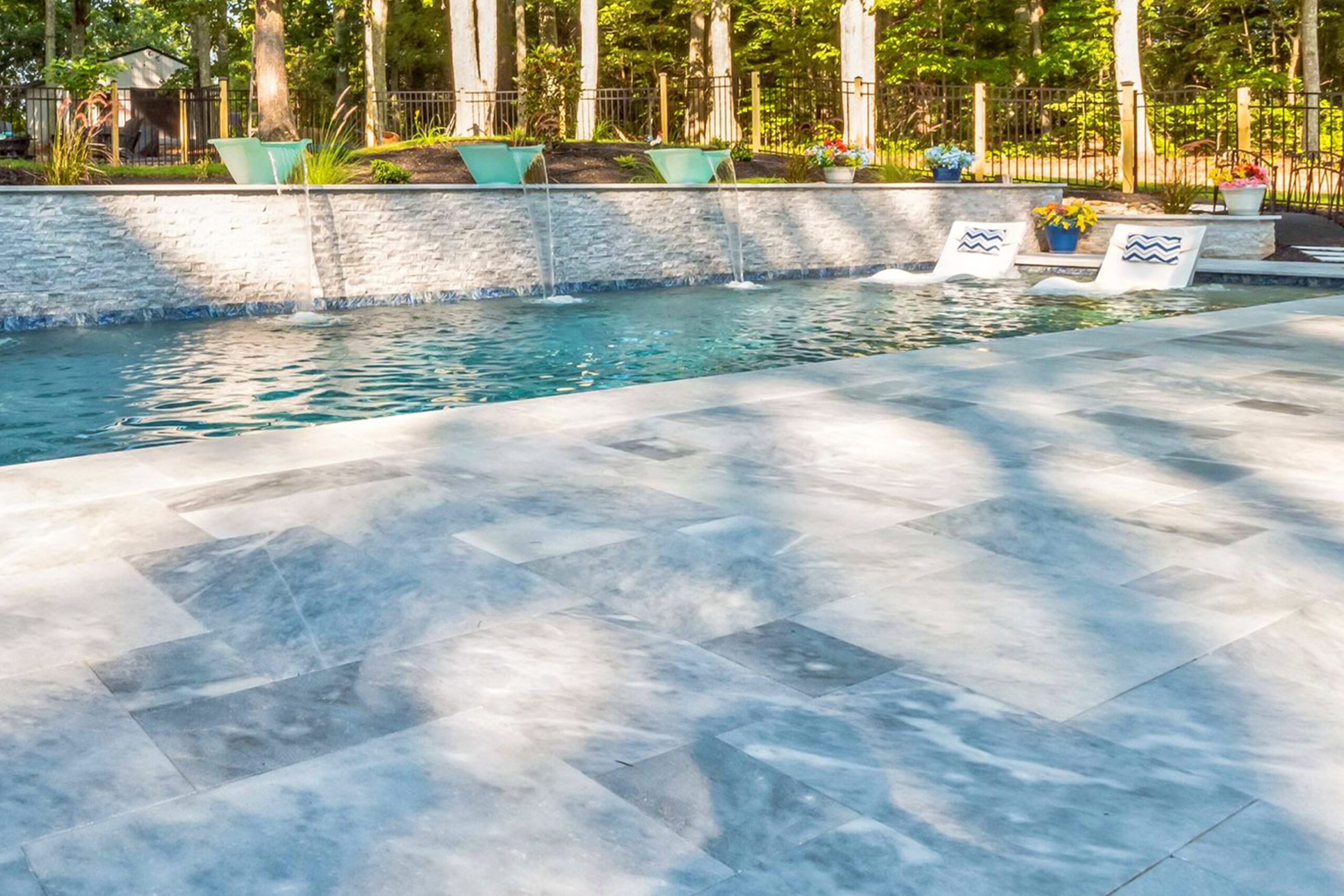
- Glacier: Pale silver-white stone with a highly reflective appearance. One of the stronger natural stone choices for barefoot comfort across Aquabella’s regions.
- Ivory: Light travertine that offers favorable comfort potential in sunny environments.
- Athens: Soft ivory limestone with good relative comfort performance, particularly compared with darker stones.
- Diana Royal: Light cream-beige stone that offers a comfortable balance between appearance and potential heat buildup.
- Shellstone: Light, sand-colored limestone that offers another option for homeowners seeking a lighter deck surface.
These products are worth considering for high-sun markets, but their actual comfort ratings will vary with climate.
For example, Glacier receives a Comfortable (4) rating in Florida / Coastal and Desert Southwest, while reaching Cooler-Running (5) in California Coast and East / Northeast.
This is why regional comparisons are more useful than a single nationwide ranking.
Balanced Natural Stones (Good with Shade or Mixed Conditions)
- Silver: Light to mid-grey stone with balanced comfort characteristics. Can perform well in milder regions but may feel warmer in desert conditions.
- Silver Pearl: Refined pearl-grey stone that offers a balance of appearance and barefoot comfort.
- Toscano: Warm honey tone that may feel more comfortable in mild climates or partially shaded areas.
- Antico: Warm travertine mix offering another choice for projects where moderate tones are preferred.
These materials can be excellent options depending on how much sun the deck receives.
Darker Natural Stones (Consider Shade and Exposure)
- Blue Stone: Dense, dark stone that can heat up in direct sunlight. More favorable in mild climates than in hot desert regions.
- Dark Noce: Deep walnut tone with greater potential for heat absorption, especially in sunny locations.
- Medium Walnut: A medium-dark stone that can feel warmer than lighter-colored alternatives.
Dark materials can create beautiful outdoor spaces, but they may need more consideration around pools where people frequently walk barefoot.
2CM Porcelain Pavers: Modern, Durable, and Climate-Conscious
Porcelain pavers offer consistent sizing, durability, and a wide range of colors and finishes. Their dense composition makes them resistant to moisture and everyday wear, but they can still absorb and retain heat under direct sunlight. Color remains an important factor in comfort. Lighter porcelain generally reflects more solar energy, while darker finishes may feel considerably warmer during peak afternoon hours. Choosing the right porcelain paver means balancing appearance, durability, and the conditions where it will be installed.
Lighter 2CM Porcelain Options
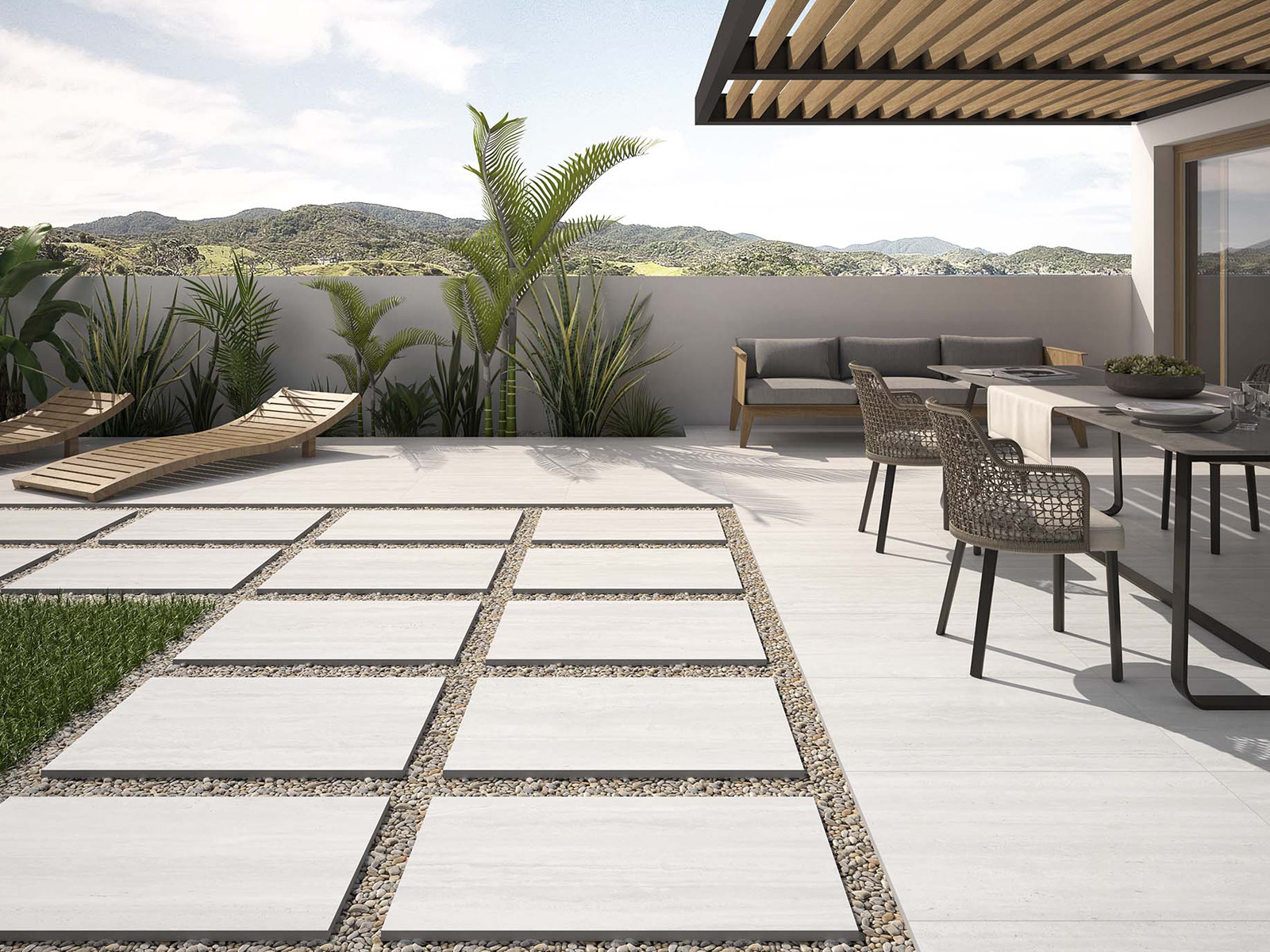
- Ardesia White: Bright white porcelain with high reflectance.
- Stratos Vein White: A white field with subtle veining, making it an attractive option for sunny applications.
- Vincen White: Light porcelain that offers greater relative comfort than darker finishes.
- Lavica Blanco: Pale white appearance, making it a strong candidate for exposed outdoor areas.
- Quarstone White: Light quartz-inspired surface worth considering for projects where comfort and a contemporary look are both important.
These are among the lighter options available, but they should not automatically be considered to run cooler in every climate.
For example, Ardesia White receives a Comfortable (4) rating in Florida / Coastal and Desert Southwest, even though its lighter appearance helps it compare favorably with many darker porcelain products.
Balanced Porcelain Options
- Ardesia Bone: Light bone tone with balanced comfort potential.
- Stratos Vein Bone: Soft, veined appearance that can work across different climates.
- Vincen Bone: Warm-light tone that balances appearance and relative comfort.
- Ground Arena: Sandy stone-look porcelain with a versatile appearance.
- Materia Pearl: Refined pearl-grey option for modern outdoor projects.
Mid-tones may become more attractive in areas with partial shade or milder seasonal conditions.
Darker Porcelain Options
- Quarstone Grey: Mid-grey porcelain that can absorb more heat than lighter alternatives.
- Volterra Grey: Medium-grey matte porcelain that may feel warmer under prolonged direct sunlight.
- Slaterock Black: Dark slate-look porcelain with high potential for heat buildup in hot, exposed locations.
For example, Slaterock Black falls into High Heat Potential (1) in the Desert Southwest, while its relative rating improves in milder regions.
This doesn’t mean dark porcelain should be avoided entirely. It means sun exposure and how the area will be used should influence the decision.
Color, material, sun exposure, and location all affect how a pool deck feels underfoot. Discover why lighter surfaces often perform better in hot climates and how to balance comfort, durability, and style.
How to Choose the Right Deck for Your Climate & Lifestyle
Evaluate Your Sun Exposure
- Full afternoon sun? Prioritize lighter natural stone or porcelain and look for products rated Comfortable or Cooler-Running in your region.
- Partial shade? Moderate comfort options and mid-tones become more viable.
- Covered areas? Warmer tones or darker aesthetics may work without the same level of direct solar exposure.
Shade can make a substantial difference, even when the material stays the same. The U.S. Department of Energy identifies shading and the reflective properties of exterior surfaces as important considerations when designing outdoor environments. A deck exposed to full afternoon sun may require a different material choice than one protected by trees, a pergola, or a covered patio.
Consider Who Uses the Pool
- Kids: Prioritize traction and cooler surfaces.
- Older adults: Consider smoother transitions, comfortable textures, and appropriate slip resistance.
- Pets: Avoid dark surfaces that heat up quickly in direct sunlight.
Test Samples in Real Sun
Touch samples. Place them in direct sunlight. Compare how they feel throughout the day. Check the material’s suitability for wet areas and evaluate drainage.
You can request samples from Aquabella to compare colors and textures before making a final decision. Samples are provided for material and color reference and may not represent the full dimensions of the finished paver or coping.
Remember that a small sample can help you narrow down your choices, but actual deck conditions will vary depending on installation, exposure, and weather.
Samples provide a helpful starting point, but the finished deck may behave differently depending on installation and surrounding conditions.
Find Your Matches with Surface Comfort Match
Aquabella’s new Surface Comfort Match makes it easier to narrow down the possibilities before making a final decision.
Start by selecting your region to see the surfaces that match your climate. You can then refine the results based on material, color, comfort level, and other available preferences.
The tool allows you to:
- Explore natural stone and porcelain pavers suited to your climate region.
- View the number of matching surfaces.
- Compare products using a five-level comfort scale.
- Focus on Cooler Underfoot options, which include products rated Comfortable (4) or Cooler-Running (5).
- Refine your matches based on your project’s needs.
Selections update the results automatically, making it easier to explore different options.
Find the Right Outdoor Surface for Your Climate
Visit an Aquabella Showroom
Seeing and touching the material in person, especially in your local climate, makes the decision easier and more accurate. Surface Comfort Match can help narrow your choices before your visit, so you can spend more time comparing the materials that make sense for your project.
You can also review Aquabella’s Hardscapes Catalog to explore additional stone and porcelain options, available formats, and design possibilities before visiting a showroom.
Surface Comfort Match can help narrow your choices before your visit, so you can spend more time comparing the materials that make sense for your project.
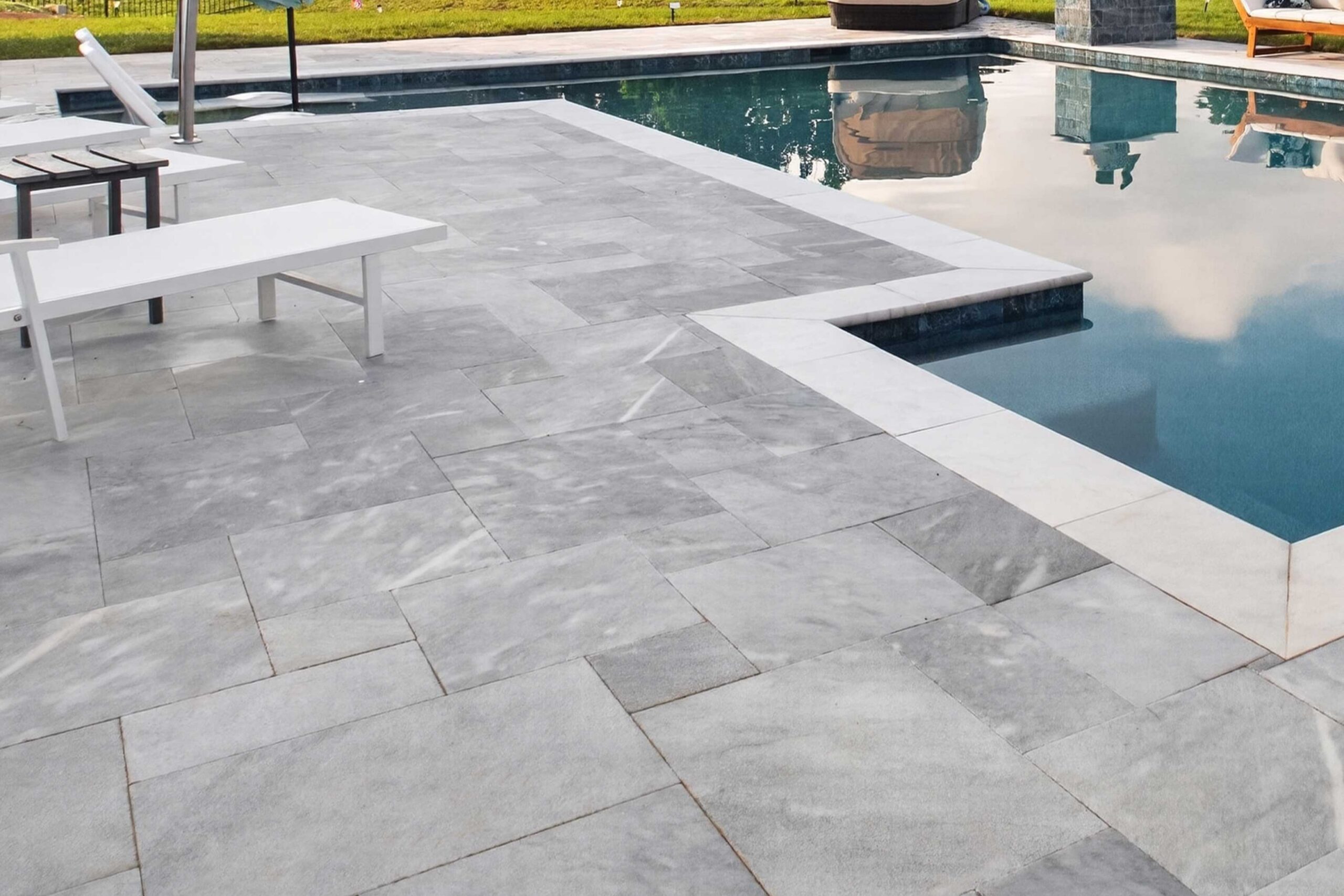
Recommended Aquabella Products
The following products are good starting points for exploring surface comfort. Their ratings are regional, so use Surface Comfort Match to see how they compare in your location.
Light Natural Stone Options
- Glacier
- Ivory
- Athens
- Diana Royal
- Shellstone
Light 2CM Porcelain Options
- Ardesia White
- Stratos Vein White
- Vincen White
- Lavica Blanco
- Quarstone White
Balanced Mid-Tones
- Silver Pearl: Natural Stone
- Toscano: Natural Stone
- Ground Arena: 2CM Porcelain
- Materia Pearl: 2CM Porcelain
Style-Led Dark Options
- Blue Stone: Natural Stone
- Dark Noce: Natural Stone
- Slaterock Black: 2CM Porcelain

Find the Right Surface for Your Climate
There is no single pool deck material that is perfect for every climate. The same stone or porcelain paver can feel very different in Florida, Texas, California, or the Desert Southwest.
The goal is to find the right balance between appearance, durability, traction, and barefoot comfort.
That’s why Aquabella developed Surface Comfort Match. Instead of guessing how a material might feel in your area, you can compare products using regional comfort guidance and narrow down the choices that make the most sense for your project.
The ratings are comparative guidance based on material, color, climate, and typical sun exposure. Actual surface conditions can vary with weather, installation, shade, and time of day. Ratings are not measurements of temperature or slip resistance, nor guarantees of barefoot comfort.
Ready to find your match? Explore Surface Comfort Match and discover the right outdoor surface for your climate.
About the Author
 Paul Golomski
Paul is the National Hardscapes Category Manager at Aquabella, bringing years of experience in outdoor materials and helping shape product selections for today’s pool and hardscape projects.