When pool tile cracks or becomes loose, the tile or grout is often blamed first. With glass tile, the material itself may immediately become the focus of the complaint. However, a proper investigation must consider the entire installation, including the concrete pool shell, tile-setting materials, movement joints, coping, concrete decking, and bonded pavers.
Homeowners who are still selecting grout can also review our guide to choosing the right grout color for pool tile or compare options with the Aquabella Grout Match Finder.
Movement joints are particularly important because tile installations are exposed to expansion and contraction, moisture, sunlight, temperature changes, and movement in the supporting construction. The Tile Council of North America, commonly called TCNA, addresses these conditions through movement joint guidance in Detail EJ171 of the TCNA Handbook for Ceramic, Glass, and Stone Tile Installation.
This does not mean that every cracked or loose tile is caused by a missing movement joint. It means movement joint design must be included in the investigation before anyone concludes that the tile, grout, or setting material failed.
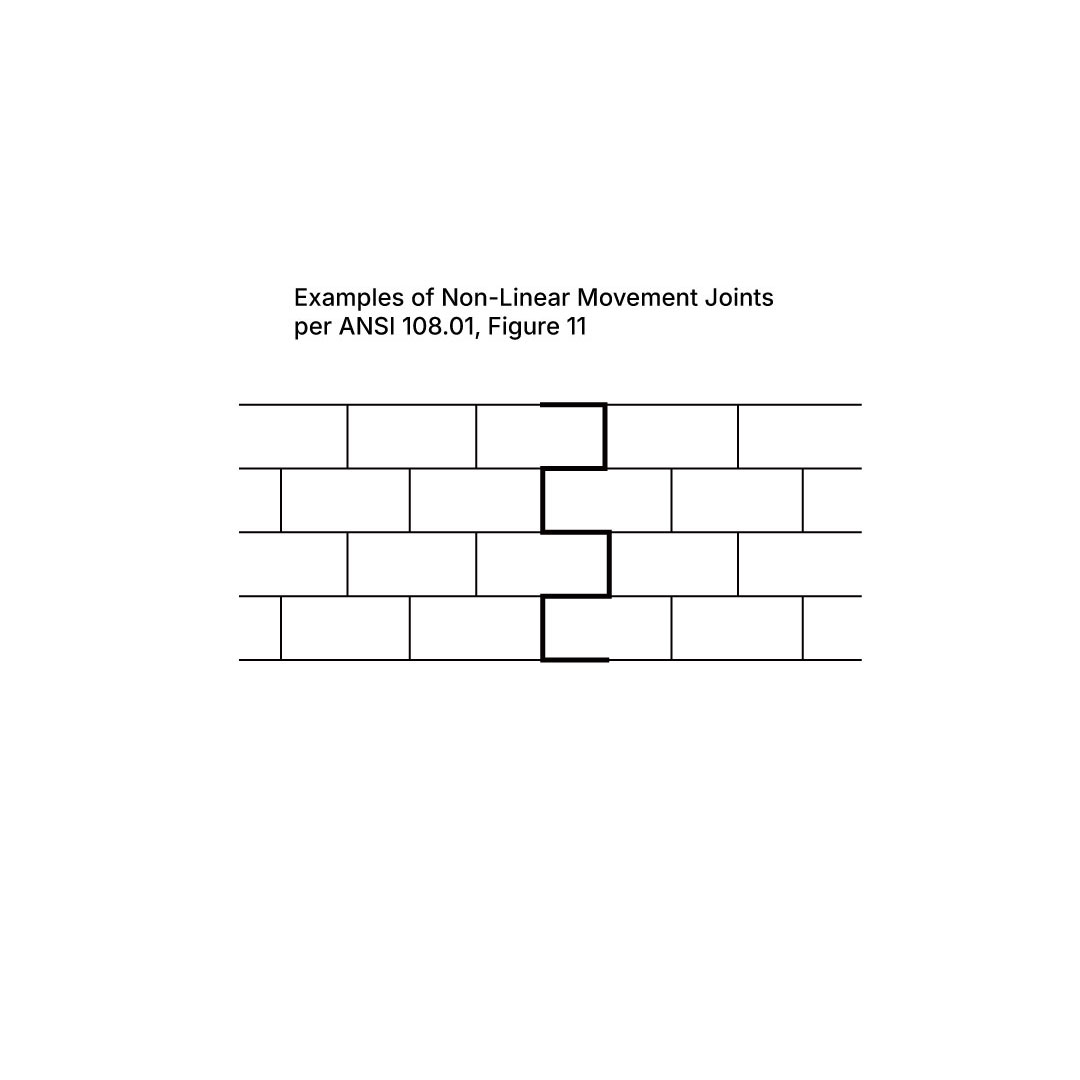
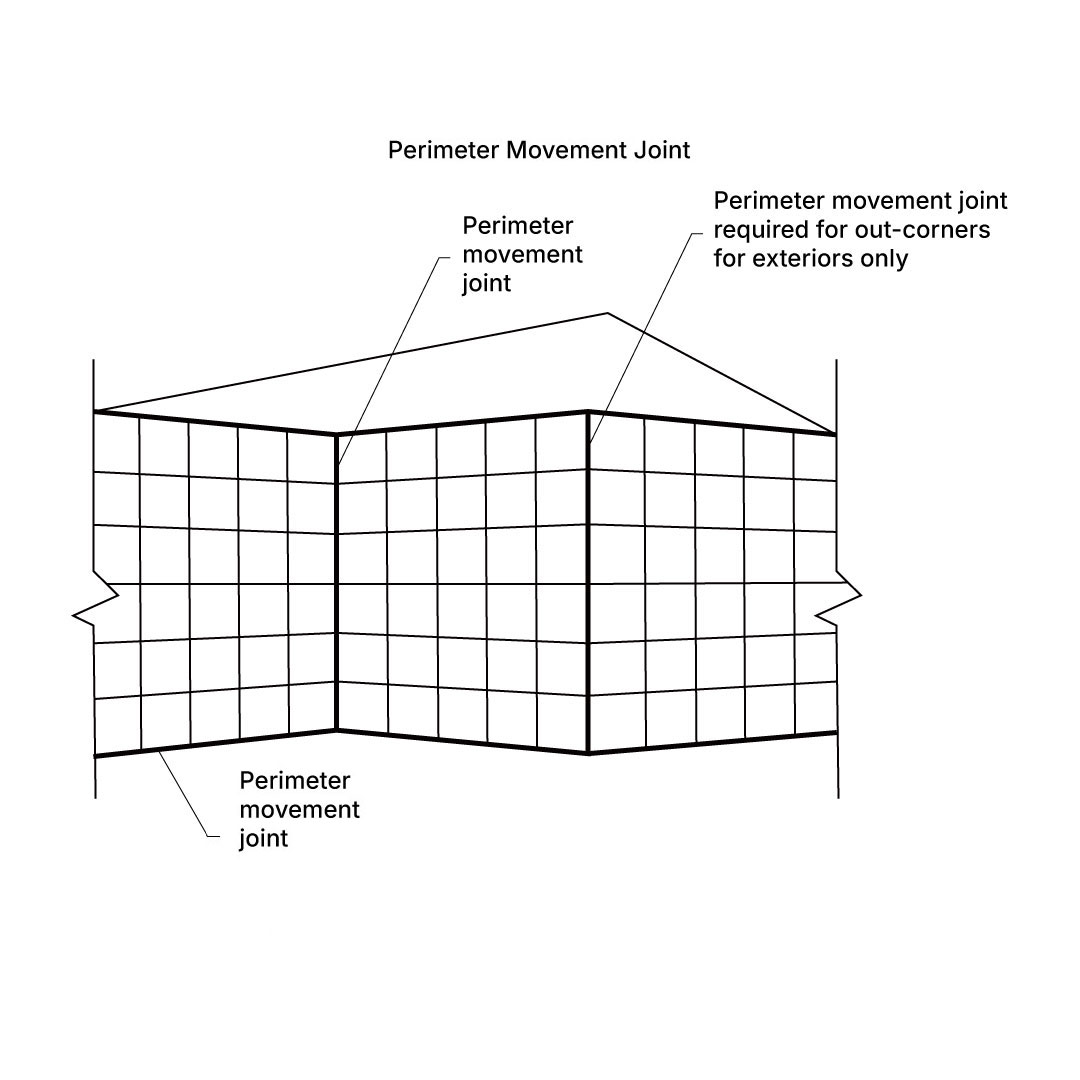
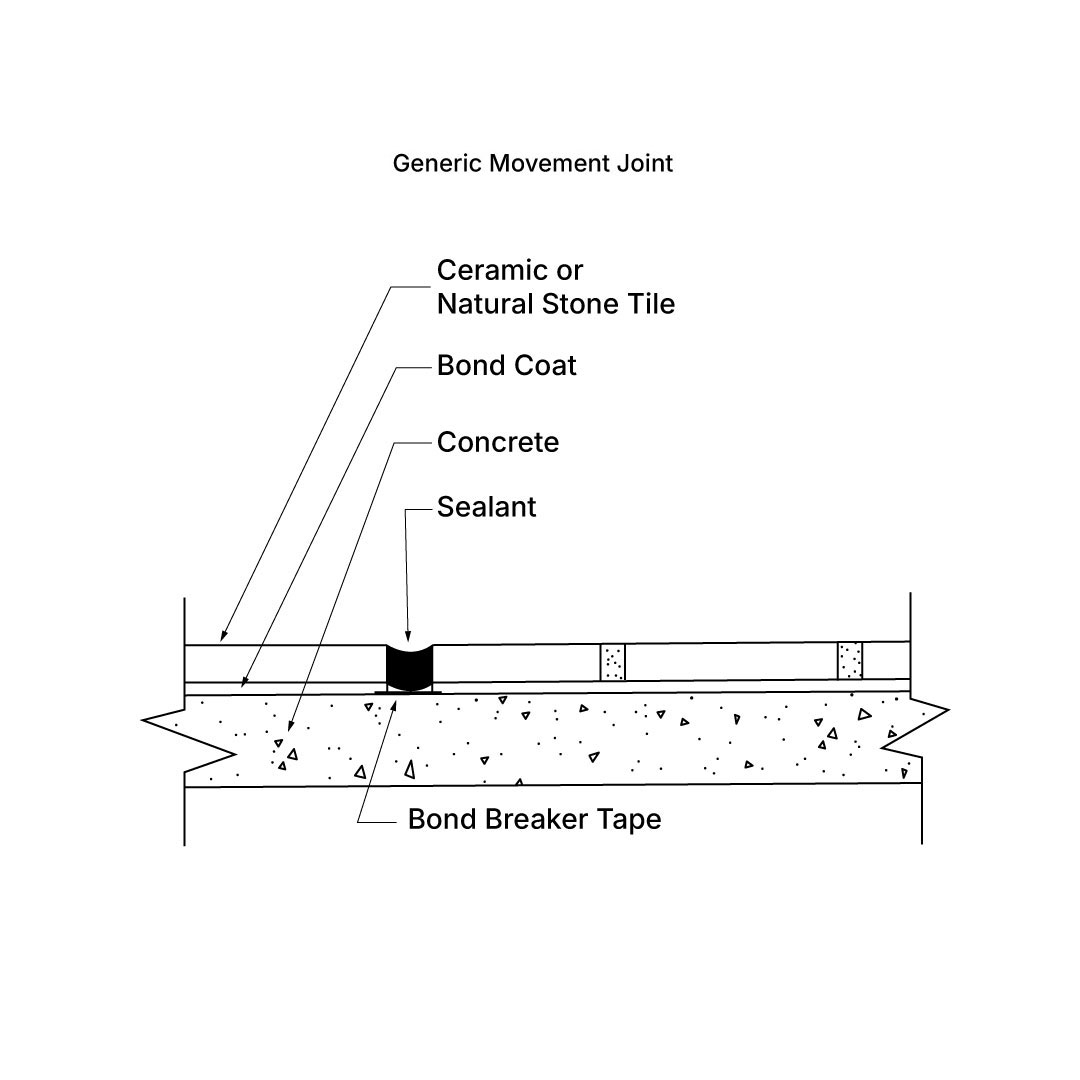
A Grout Joint Is Not a Movement Joint
A grout joint is the space between adjacent tiles that is filled with cementitious grout, epoxy grout, or another grout approved for the application. Grout fills the space between tiles, but it is not intended to serve as a flexible movement joint.
A movement joint is intentionally designed to accommodate movement within or between parts of the installation. It is typically filled with a flexible sealant rather than rigid grout or mortar.
This distinction is especially important in swimming pools. TEC states that changes of plane and movement joints in pool installations must be filled with sealant and that movement joints identified in TCNA EJ171 must be properly treated throughout the installation. CUSTOM Building Products similarly identifies separate materials for grouting and flexible sealing in its pool and water feature guidance.
Using epoxy grout does not change this requirement. Epoxy grout may provide benefits such as chemical resistance and low water absorption, but it remains a grout. It should not be used to fill a location designated as a movement joint unless the manufacturer expressly approves that use.
Why Movement Accommodation Is Required
Tile is installed over a supporting structure. In a swimming pool, that structure may include a concrete shell, mortar beds, waterproofing or crack isolation materials, setting mortar, tile, and grout. Around the pool, the construction may also include coping, concrete decking, and pavers.
These materials do not eliminate normal movement within the construction.
TCNA states that tile installations must allow for expansion and contraction. It also explains that the exact placement and frequency of movement joints cannot be determined without considering project conditions. These conditions include exposure to sunlight, temperature range, moisture, concrete age, structural movement, and other characteristics of the installation.
Readers planning the complete pool environment can also review our guide to pool materials, including tile, finishes, decking, and features.
For this reason, a universal statement such as “movement joints are always placed every 8 to 12 feet” should not be used as a complete specification. EJ171 provides industry guidance, but the final design must reflect the actual project, applicable construction documents, manufacturer instructions, and professional requirements.
Existing Joints Must Be Addressed Through the Tilework
One of the clearest points of agreement among industry sources is that existing construction and expansion joints cannot simply be covered by the tile installation.
LATICRETE states in the technical data for 254 Platinum that expansion joints must be provided through the tilework wherever construction or expansion joints occur in the substrate. It also instructs installers not to cover those joints with mortar.
TEXRITE provides similar direction. Its technical data instructs installers not to bridge expansion, contraction, or construction joints. It also requires mortar, grout, and debris to be removed from the joint before the backer rod and sealant are installed.
CUSTOM Building Products states that movement joints and cracks in pool substrates must receive the preparation and treatment described in ANSI A108.01 and TCNA EJ171. SGM technical guidance for its Southcrete 1100 crack suppression and waterproofing membrane also requires structural expansion, control, cold, and seismic joints to continue through the tile installation.
The message is consistent: covering an existing joint with tile, mortar, grout, or a membrane does not make the joint disappear.
Builders should always consult the applicable product instructions. Aquabella provides a central collection of installation guides for glass tile, porcelain tile, and hardscapes.
Grout fills the spaces between tiles, but it is not designed to accommodate movement. Properly designed movement joints allow the pool tile system, coping, concrete decking, and bonded pavers to respond to expansion and contraction without rigidly restraining the entire installation.
Waterproofing and Crack Isolation Do Not Replace Movement Joints
Waterproofing and crack isolation products perform important functions, but they should not be presented as replacements for movement joints.
TCNA specifically addresses the misconception that an anti-fracture or crack isolation membrane eliminates the need for expansion joints. According to TCNA, soft joints are still required in the tilework to accommodate expansion and contraction.
Manufacturers reinforce this distinction. SGM describes Southcrete 1100 as a waterproofing and crack-suppressing membrane, yet its technical instructions still require designated structural joints to continue through the tilework. LITOKOL also distinguishes waterproofing treatments from elastic perimeter, expansion, divider, and structural joints in its pool and exterior installation guidance.
The use of a membrane therefore does not authorize the installer to bridge a joint that must remain functional.
The Pool Deck and Pavers Must Be Considered
Movement joint planning should not stop at the waterline. For a broader comparison of surrounding pool surfaces, see our guide to natural stone and porcelain pavers for pool decks.
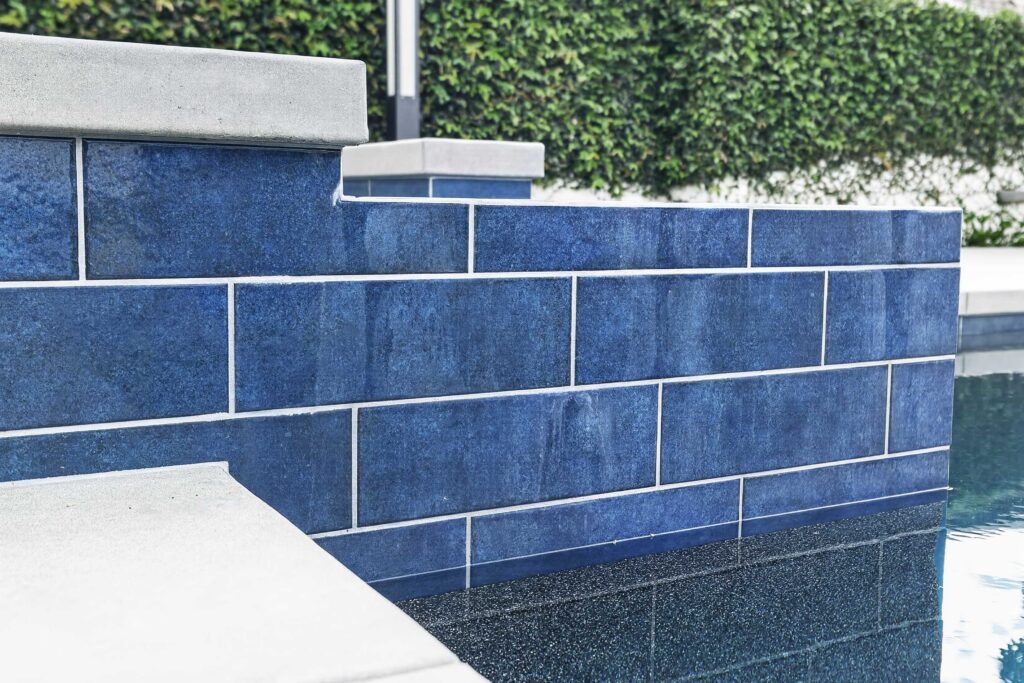
Concrete pool decking, coping, and bonded paver installations may be exposed to sunlight, heat, cooling, moisture, and movement in the underlying concrete. When these surfaces are bonded to a concrete substrate, existing construction and expansion joints must be identified and properly addressed.
TEXRITE calls for expansion joints around perimeters and restraining surfaces and identifies additional considerations for large areas and areas exposed to sunlight and temperature changes. LATICRETE requires construction and expansion joints in a substrate to continue through bonded tilework and includes pavers and brick among the approved applications of products such as 254 Platinum. TCNA also identifies sunlight, temperature, moisture, and structural conditions as factors in movement joint placement.
This does not mean that movement in a pool deck automatically causes a tile failure inside the pool. That conclusion would require project-specific evidence. It does mean that the relationship among the deck, coping, pavers, bond beam, and pool tile should be reviewed during the design and installation investigation.
If a concrete deck or bonded paver assembly bridges an existing joint, restrains a required joint, or is installed rigidly against an adjoining assembly, that condition should not be ignored when evaluating cracking, displacement, or loose tile near the pool perimeter.
What Glass Tile Changes
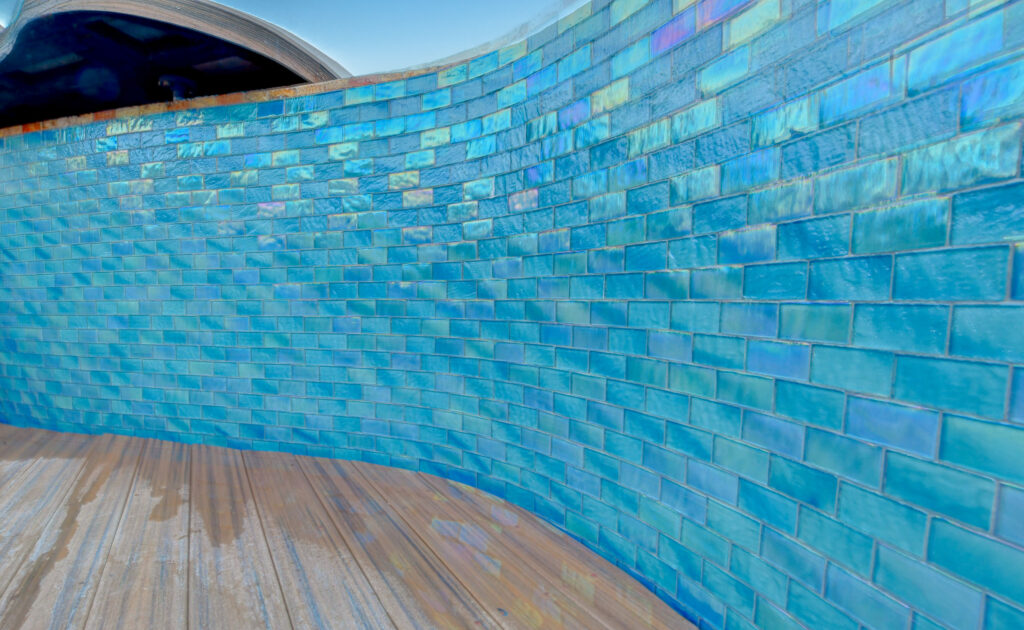
Glass tile should not automatically be blamed when a pool installation develops a problem. It should also not be automatically cleared without an investigation. For more information about the differences between these materials, read Glass Tile vs. Porcelain Tile: What Pool Builders Should Know.
TCNA publishes specific guidance and ANSI standards for glass tile installation. These requirements address matters such as the type of glass tile, mounting method, setting material, installation method, and suitability for the application.
When glass tile cracks or becomes loose, the investigation should examine the entire assembly. This includes the substrate, waterproofing, mortar coverage, movement joint design, existing concrete joints, curing, and the manufacturer’s installation requirements.
The presence or absence of movement joints is one important part of that investigation, but it does not prove the cause by itself.
What Builders and Homeowners Should Understand
For a homeowner, the central idea is simple:
Grout fills the spaces between tiles. A movement joint is a deliberately flexible location that allows parts of an installation to move without being rigidly joined.
For builders, the responsibility is more detailed. Existing construction joints must be identified before tile installation begins. Movement joints must be coordinated through the appropriate layers of the installation. Changes of plane, perimeters, restraining surfaces, concrete decking, coping, and bonded pavers must be evaluated as part of the complete project.
The correct location, width, sealant, backing material, and construction of each joint must come from the project requirements, TCNA EJ171, applicable ANSI standards, the selected manufacturers’ instructions, and any required architectural or engineering design.
Movement joints are not decorative grout lines. They are planned components of a tile installation. When pool tile becomes loose or cracks, its design and execution deserve careful review, but the final diagnosis must be based on evidence from the specific project.